More than 20,000 patients are to take part in a new Government-funded trial, known as STRIDE-RCT, to investigate if a blood test can detect a range of common cancers. The trial, which runs from November 1, 2026 to October 31, 2031, will take place across 200 GP practices in England. It will assess whether the new blood tests can detect early signs of cancer before more severe symptoms develop, potentially allowing major cancers to be diagnosed and treated earlier, before they progress.
Patients aged 45 and over, who visit one of the participating GP surgeries, with abdominal symptoms such as persistent bloating or discomfort, will be offered the chance to take part in the trial. The aim is to see whether a simple blood test can spot a range of common cancers such as – prostate, ovarian, bladder, bowel, oesophageal, pancreatic, stomach, kidney, liver and other abdominal cancers.
It is important to note that the trial is not intended to replace existing NHS cancer screening programmes.
Instead, it will investigate whether blood tests can provide GPs with additional information to help identify patients with symptoms who may need further investigation.
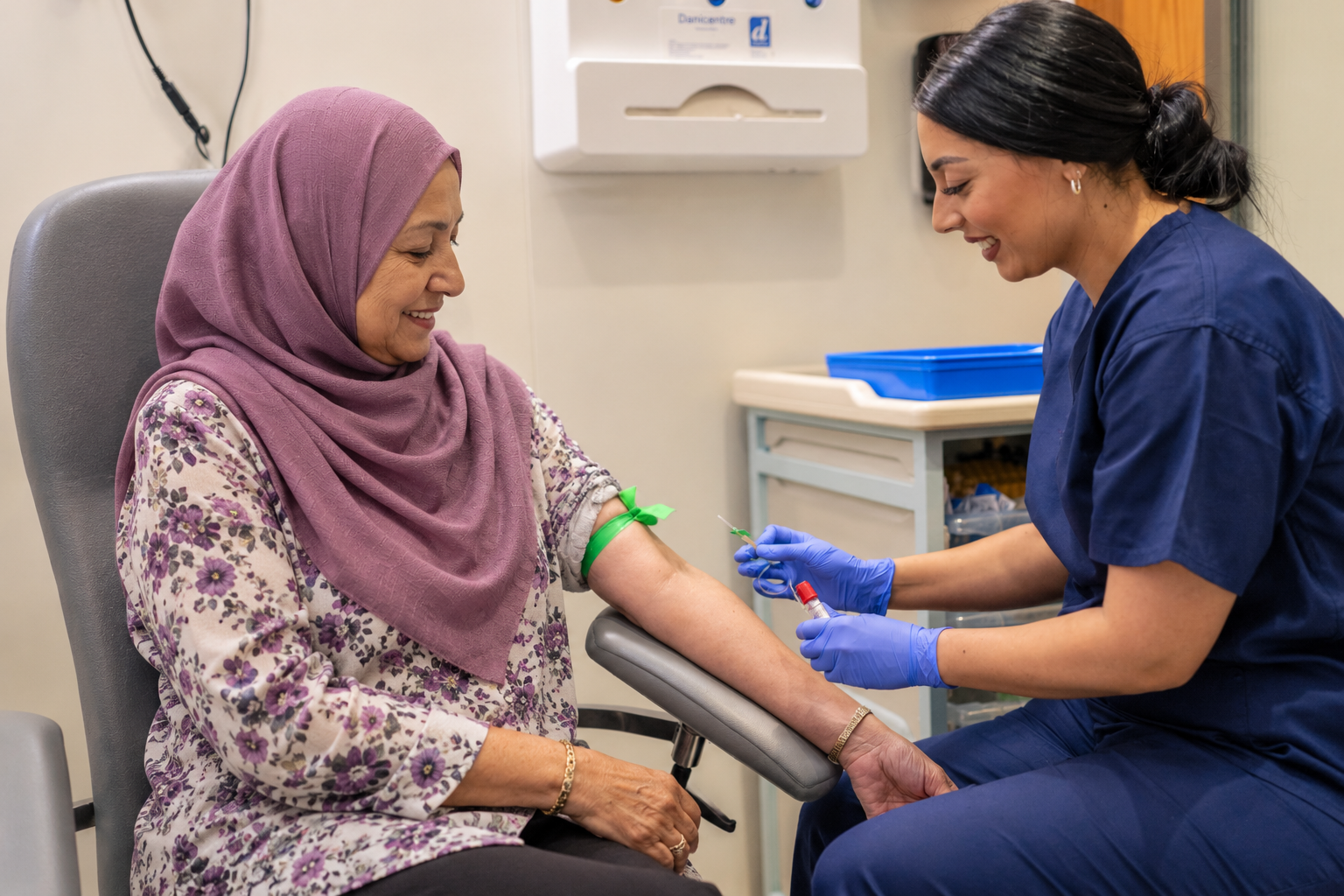
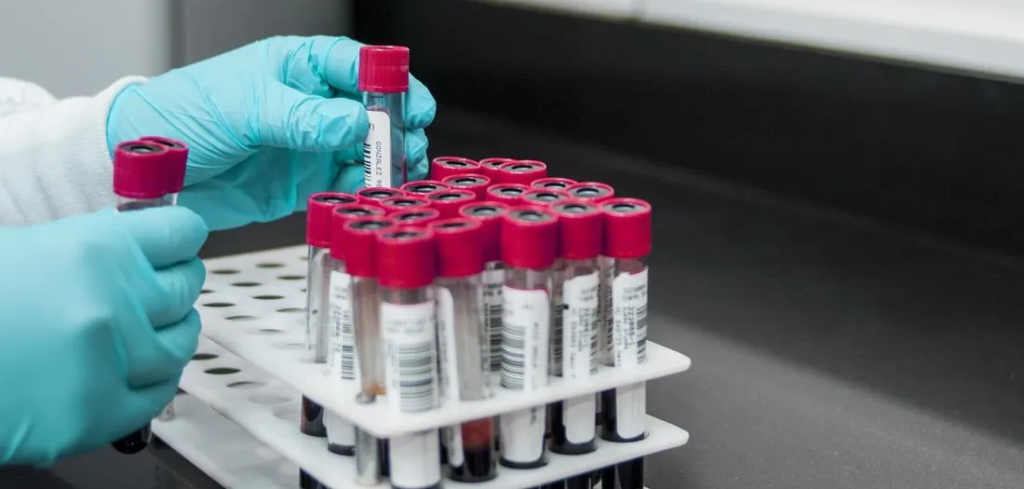
Most of the tests in the trial, developed by the University of Birmingham, will ask patients to have one or two tubes of blood taken at their GP practice, alongside routine blood tests.
The blood tests are then analysed for abnormal proteins or fragments of DNA that may signal cancer. Cancer cells can release distinctive proteins and pieces of genetic material into the bloodstream, creating biological markers known as biomarkers. Artificial Intelligence can be used to compare thousands of measurements from these biomarkers and compare them against samples from people with and without cancer.
As different cancers release different combinations of proteins and DNA changes the AI can then suggest if cancer is likely present and where it may have originated from. Although, it should be noted the blood test result by itself is not a confirmed cancer diagnosis, results will be used to help doctors decide which patients need further investigations, such as scans and biopsies.
Around 71,000 people are diagnosed with pancreatic, stomach, liver, ovarian or bowel cancer in England each year, and there are almost 35,000 deaths from these cancers.
Many of these cancers are often diagnosed too late, diagnosis at a later stage significantly impacts treatment outcomes: Around 9 in 10 people diagnosed with bowel cancer at stage 1 survive at least 5 years, compared with around one in 10 at stage 4.
Many abdominal cancers such as pancreatic, ovarian, bowel and stomach cancer can sometimes be difficult to recognise early, and symptoms can be vague or put down to other causes such as digestive issues.
Delays in the correct diagnosis can mean fewer treatment options and poorer outcomes. It is hoped this blood test will help doctors decide which patient’s need further investigation and lead to earlier intervention and better outcomes.
However, detecting cancer earlier does not automatically mean that fewer people will die from the disease. Researchers will also need to establish whether the tests lead to earlier effective treatment and improved survival, rather than simply identifying more cases of cancer.
Yvette Cooper, Secretary of State for Health and Social Care, said: “The earlier cancers are diagnosed, the more chance they can be successfully treated, and lives can be saved. This world-first trial will establish whether simple blood tests can help GPs identify much sooner the patients who need urgent support.”
Innovations like these are a key part of our National Cancer Plan, which will provide faster diagnosis, more effective treatment, and better care for every patient, while also investing in the trials and technology that offer hope of curing cancer for good.