Nadine Osman
Lewisham Islamic Centre has hit back at the Charity Commission’s official warning over sermons delivered at the mosque, accusing the regulator of treating legitimate Islamic worship and solidarity with Palestinians as grounds for charitable sanction.
In a forceful statement issued on November 11, the south-east London mosque rejected the Commission’s findings, published that day, questioned its handling of the case and accused it of placing disproportionate demands on Muslim charities.
At the heart of its response is the Centre’s contention that an imam’s prayers for Palestinians, Gaza and Jerusalem have been drawn into a regulatory dispute, despite being expressions of established Islamic worship.
“Should a Muslim charity face regulatory sanctions for allowing its Imams to pray for Palestinians suffering death, destruction and oppression, to address matters of profound concern to their congregation in Friday sermons, and to express the religious and moral obligation to stand against injustice?” it asked.
“The Centre’s position is unequivocally clear: We should not.”
The Commission issued the official warning on October 20, following an investigation into complaints about events at the charity. It said it had found misconduct and/or mismanagement connected, but not limited, to two sermons which included content it considered “inflammatory, divisive and not in the charity’s best interests”.
One sermon, delivered by Imam Shakeel Begg on October 20, 2023, included remarks that Palestinians had been “suffering at the hands of the oppressors and the Zionists”. In a second sermon on August 9, 2024, Imam Ashraf Dabous referred to people involved in unrest following the Southport murders, saying their “manipulators are Zionists, and they are supporters of the state of Israel”, according to reports.
The Commission said the Centre must ensure activities on its premises furthered its charitable purposes, benefited the public and protected its reputation. It also required trustees to review and implement a suitable policy for events and speakers.
But the Centre’s response takes direct issue with the regulator’s treatment of the October 2023 sermon. It said the Commission’s action focused on an imam’s supplications for Palestinians, including prayers for their protection, healing and deliverance from oppression.
“These were acts of Islamic worship,” the statement said. “They reflected the compassion, solidarity and religious responsibility felt by Muslims witnessing the immense suffering of the Palestinian people.”
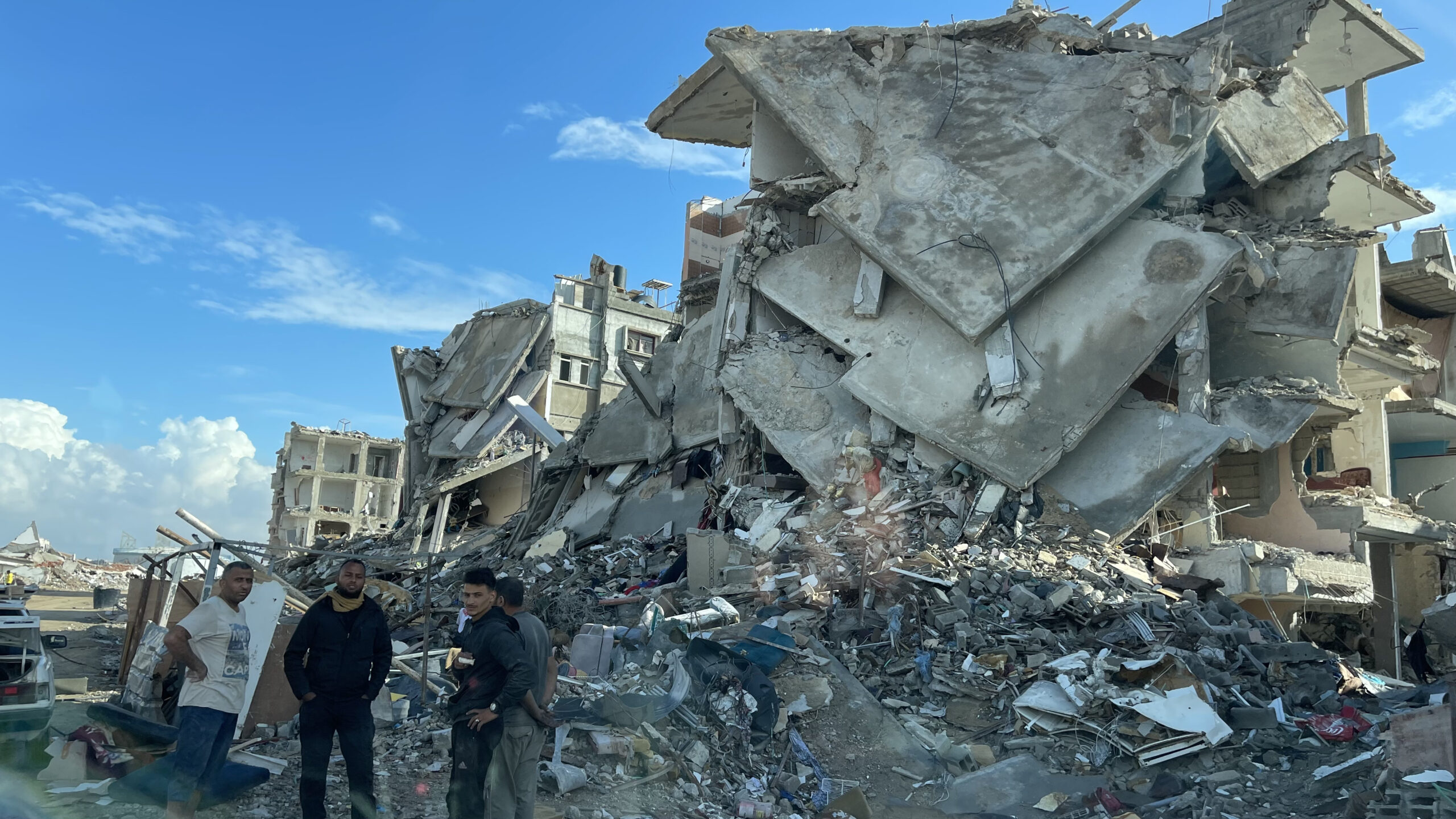
LIC challenged the significance attached to the date of the sermon, pointing out that it was delivered as Israel’s assault on Gaza was unfolding. By October 20, 2023, more than 3,500 Palestinians had been killed and more than 1,000 remained unaccounted for beneath the rubble, it said, citing a United Nations human rights statement issued that day.
“Palestinians do not lose their entitlement to compassion, dignity, justice or international legal protection because of the actions of Hamas or any other organisation,” it said.
The Centre argued that the Commission’s objections risked placing the regulator in the position of deciding what imams could discuss in Friday sermons and which traditional supplications could be used in congregational prayer.
It stressed that the khutbah was an integral part of Islamic worship, allowing imams to provide religious guidance and address issues affecting their communities, while dua (supplication) was an established form of Muslim religious practice.
“The Centre does not accept that a regulator should be placed in the position of prescribing the permissible content of Islamic sermons or scrutinising established forms of Muslim prayer according to its own interpretation of religious language and expression,” it said.
The statement also challenged what LIC sees as a double standard in the treatment of faith institutions. It pointed to synagogues continuing to offer prayers for the Israeli military despite proceedings at the International Court of Justice, arguing that Muslim religious expression should not be subjected to different expectations.
The Centre also disputed the Commission’s criticism of its checks on an invited speaker. It said trustees had carried out detailed due diligence, including searching the first ten pages of Google results for adverse information about the individual.
Despite those checks, the Commission appeared to consider the steps insufficient, LIC said, questioning what more a charity could reasonably be expected to do.
It rejected the suggestion that Muslim charities should have to operate under unusually demanding scrutiny, saying: “Muslim charities should not be expected to operate under a permanent presumption of suspicion.”
The Centre went further, alleging that Muslim charities continued to be treated less favourably than other faith-based organisations and that regulatory expectations were unnecessarily burdensome.
It also rejected any suggestion that its trustees had failed in their responsibilities, saying they had maintained high standards of integrity, propriety, accountability and governance. The trustees did not accept that the Commission’s findings accurately reflected their conduct or the way the charity had been managed.
LIC questioned why the Commission had chosen to issue a public warning rather than address its concerns through regulatory advice. It described the decision as “overzealous” and said the regulator had failed to provide adequate reasons for concluding that publication was necessary or in the charity’s best interests.
“This is about more than one mosque or one charity,” the statement said. “It is about whether Muslim institutions can discharge their religious and charitable responsibilities without being penalised for expressing solidarity with Palestine, conducting established forms of Islamic worship or addressing issues of concern to their congregations.”
It concluded: “Solidarity with the oppressed must not become grounds for charitable sanction.”
The Centre said it was seeking legal advice on its next steps and called for others to join a united challenge to what it described as an “overbearing Commission” if legal action went ahead.
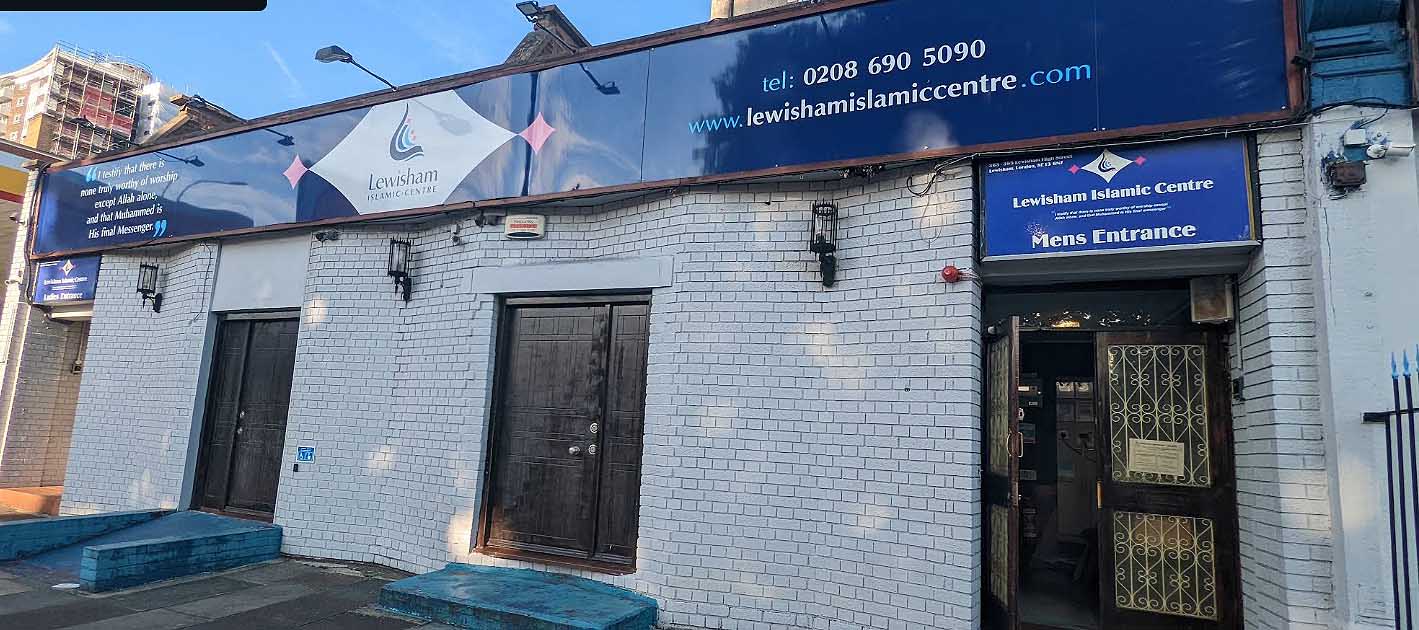
Feature photo: Lewisham Islamic Centre has rejected a Charity Commission official warning over sermons delivered at the mosque, accusing the regulator of scrutinising legitimate Islamic worship and solidarity with Palestinians. The Centre is seeking legal advice over its next steps. (Credit: Wikimedia CC)
UK arms exports to Israel continued under Labour, secret records reveal
Eight in 10 Britons regard Israel as serious threat to world peace, survey finds
Petition demanding public inquiry into Britain’s role in Gaza passes 100,000 signatures