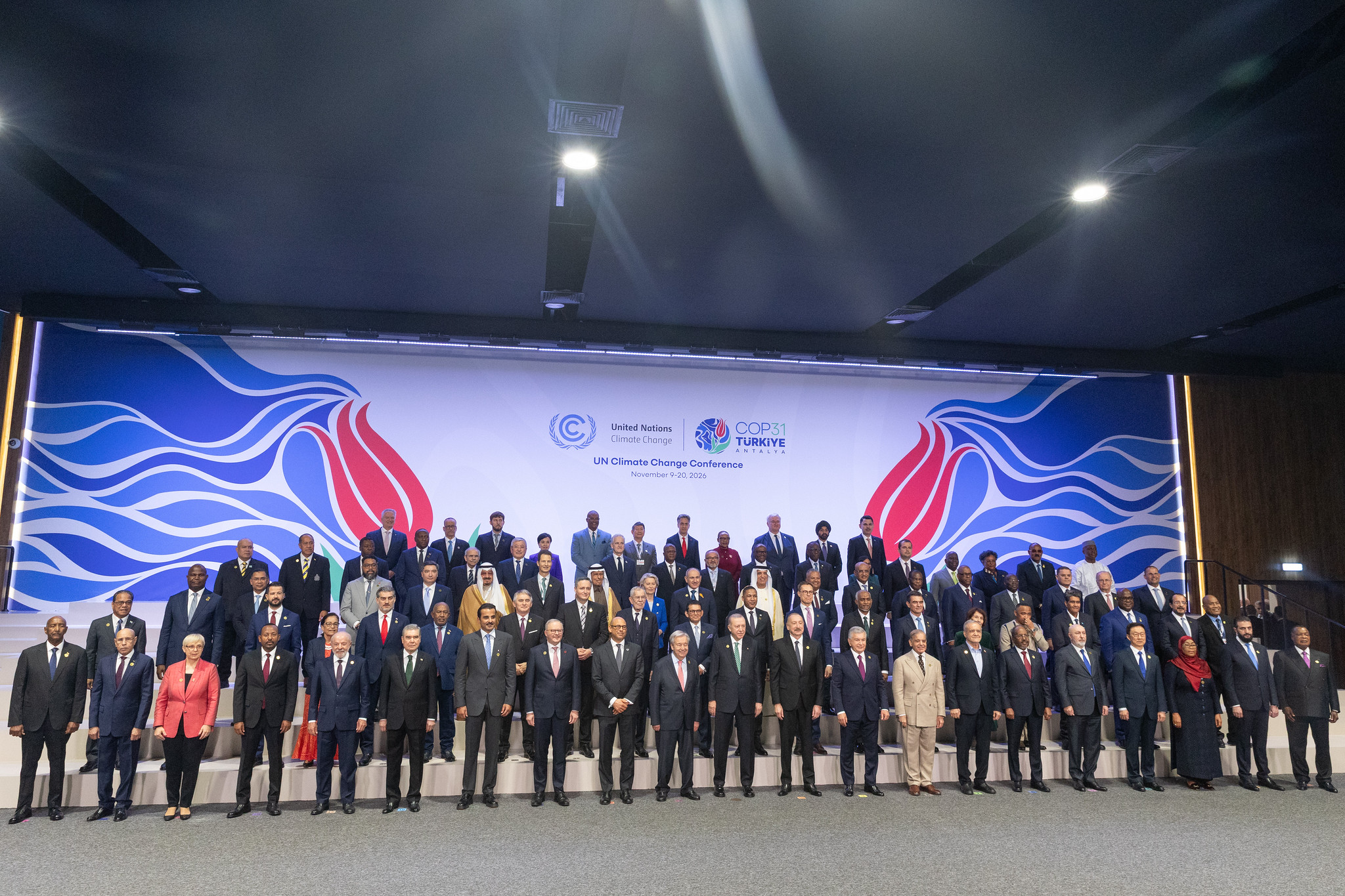
This year’s UN climate conference, COP31, in Antalya, Türkiye, went into overtime, as delegations clashed over whether to include a reference to fossil fuels in the final text. For the first time in over two decades, the conference ended without reaching an agreement.
Several oil-exporting nations, including Russia and Saudi Arabia, apposed reference to phasing out coal, oil, and gas, while the EU and UK rejected a final draft that omitted them.
The two-week summit brought together thousands of participants. Delegations from almost 200 countries attended, although the US, Israel and Myanmar were among the notable absentees.
World leaders, climate experts, fossil fuel lobbyists, protesters, and Indigenous communities convened to discuss how to tackle climate change – and fund climate solutions – at a time when unprecedented natural disasters are providing a striking illustration of an increasingly climate-insecure future.
These annual climate conferences often leave vulnerable communities disheartened – as funding commitments go unmet and fossil fuel producers wield disproportionateinfluence. OPEC’s delegation pushed hard against language calling for reductions in fossil fuel demand, claiming fossil fuels are essential to energy security and economic stability, as global consumers continue to reel from petrol price spikes linked tothe US war against Iran.
In a first, this year’s draft text included a reference to health, stating, “Climate change is already harming human health, including physical and mental health, through climate-sensitive diseases such as malaria, dengue and cholera, heat stress, maternal health, food and nutrition insecurity and damage to health facilities during extreme events.” It went on to discuss the need to make health systems more resilient to climate shocks.
While the reference was seen as a symbolic victory, it did not set out specific measures for countries to implement. As the final draft was not adopted, it is unclear whether health concerns linked to climate change will gain greater prominence at future summits. Although many hope that each summit builds on the language of the previous one, issues can sometimes lose ground.
COP26 and COP28 were considered historic milestones because fossil fuels were explicitly referenced in the agreements adopted at those summits. However, most other climate summits have failed to secure a commitment to phase them out, despite scientific consensus that doing so is essential to decarbonisation.
Climate financing has long been a sticking point at these conferences. The UNFCCC, which organises the summit, has long held a “common but differentiated responsibilities” principle. This recognises that developed countries, which were able to develop their economies by emitting more greenhouse gases and thus contributing more heavily to climate change, have a responsibility to fund decarbonisation projects in developing countries to help with mitigation, adaptation, and loss and damage. However, some governments have found ways to skirt this principle.
Ivan Enrile, program manager at IBON International, an NGO based in the Philippines working to amplify the voices from the Global South, criticised the EU’s carbon border adjustment mechanism, which imposes charges on imports based on the exporting country’s carbon footprint. In an interview with The Muslim News, Enrile said, “Developed countries are supposed to provide the needed finance for developing countries for them to be able to decarbonize their economies…but carbon border adjustment mechanisms and similar measures are sort of acting in reverse because it’s actually developing countries that are paying developed countries.”
The US has reneged on its climate financing commitments altogether and the UK has reduced its commitments by 20 per cent over five years.
Enrile also highlighted the importance of language in the final text, citing COP29, where developed nations committed to “mobilise” $35 billion in private climate financing for developing countries. However, this vague language could allow an increase in debt burden on developing nations to be considered a “win.” Regardless, funding commitments have not been met. Enrile argued that there was considerabledouble-counting and believes that general development aid not specifically geared towards climate projects is being counted towards developed countries’ climate financing commitments.
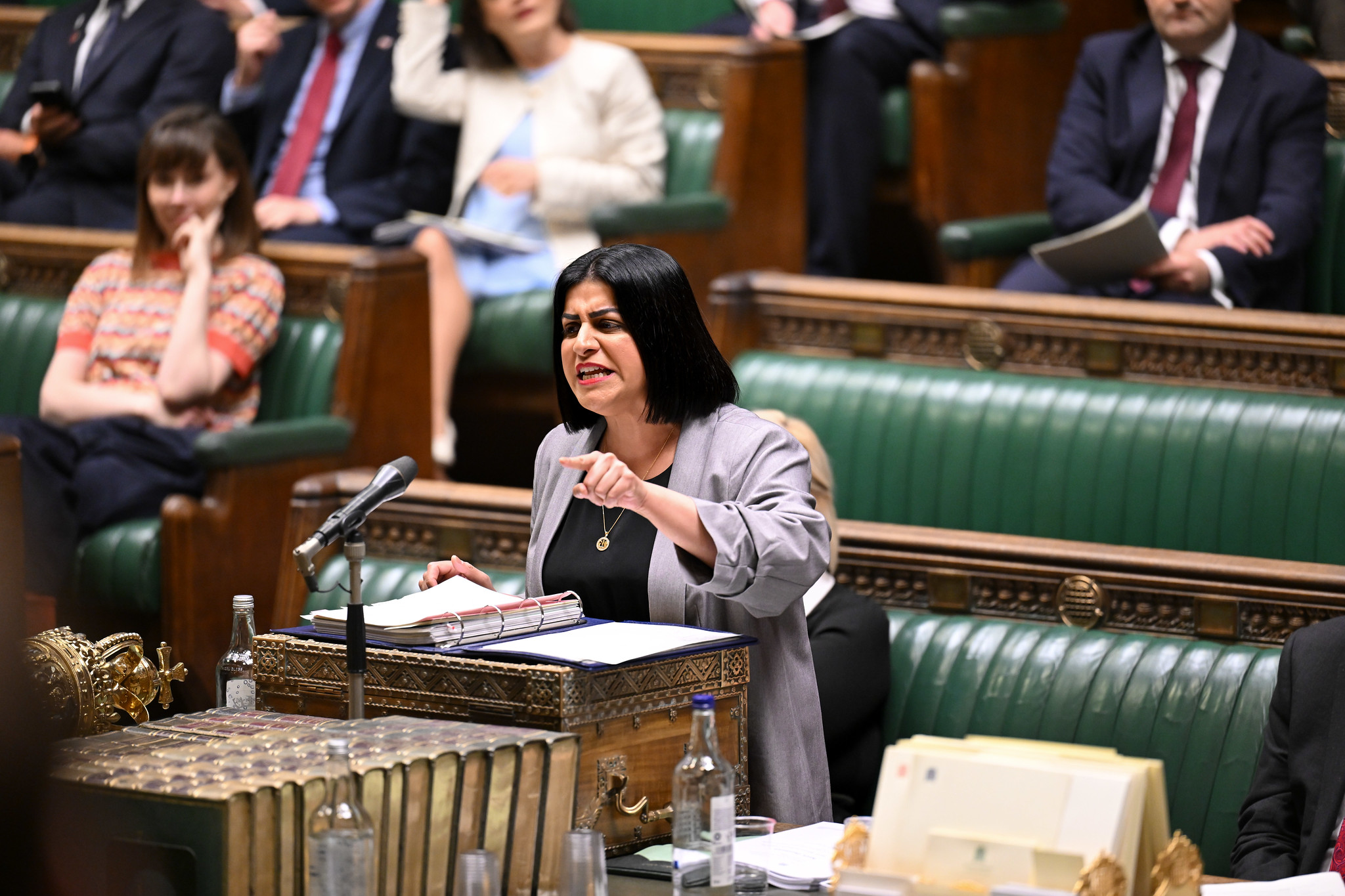
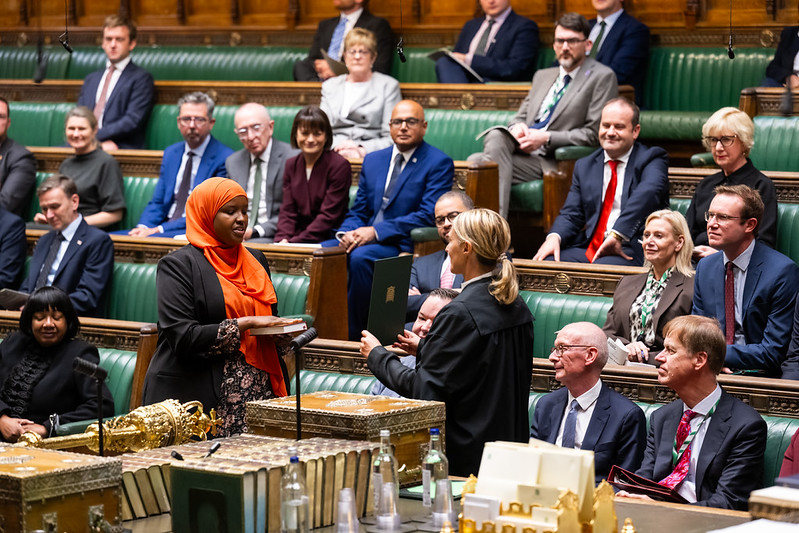
Shockat Adam, Independent MP for Leicester South, attended COP31 as part of a UK delegation. Speaking to The Muslim News, he described thesummit as having “lots of dialogue, some consensus and not very much action.” He spoke on a panel focused on empowering women and young people claiming they “are hit hardest by this crisis, and they also hold the key to ending it.” His constituent’s economy is intertwined with the global textile trade in South Asia, Africa, and the Middle East, and climate disasters in those regions affect his constituents. Adam believes that Bangladesh has taken the right approach toclimate adaptation and resilience. By installing early warning systems, building shelters, and mobilising volunteers, the country has significantly reduced the death toll from strong cyclones.
Despite failing to agree on a cover decision, side agreements were made at the summit. Türkiye and the UN International Telecommunication Union addressed, albeit loosely, concerns about the energy demands of artificial intelligence through the Antalya Artificial Intelligence Pledge.
According to the UN website, “The voluntary initiative seeks to reduce AI’s environmental footprint through cleaner energy, more efficient infrastructure, better emissions tracking and wider access to technology, particularly in developing countries.” Immediately below this text is a X post from UNESCO’s official account, citing a press release entitled, “AI models abandon climate facts at the first sign of user push-back, UNESCO-UCL report shows.”
Many environmentalists are deeply skeptical of AI, with some acknowledging that, while it could lead to scientific discoveries, its energy demands and tendency to spread misinformation make it too risky an investment when the world is already seeing the consequences of increasingly alarming climate predictions.
The breakdown of talks at COP31 during a Super El Niño, amid unprecedented climate disasters that have decimated communities, reflects how far detachedpowerful interests remain from the realities facingvulnerable communities.
This summit’s outcome begs the question: is seeking global consensus by bringing together parties with widely varying interests, only to agree on the lowest common denominator, an effective way to tackle climate change?
Ivan Enrile is skeptical of moving towards bilateral and plurilateral agreements, believing that under such a framework, developed countries could simply pick and choose how they design their climate policies, potentially leaving some vulnerable nations with less bargaining power behind.
Shockat Adam recognises that “COP brings both sides into the same room, but the gap in lived experience is stark.”
He added, “We need every tool available. Islamic finance can play a real part: green sukuk have already funded climate projects in Indonesia, Malaysia and Saudi Arabia. Its principles of social solidarity and investment tied to the real economy fit naturally with climate resilience.”
While enthusiasm for the UN’s global climate conference framework may be waning, the summits still providea forum for environmental groups and policymakers to liaise to discuss solutions and secure funding for important projects.
The wake-up call on climate action has come, in the form of displaced flood victims, deaths from heatstroke and failures in electricity grids. Policymakers must decide whether, and how, to heed it.
Feature photo: World leaders and dignitaries gather at COP31 in Antalya, Türkiye, where deep divisions over fossil fuel phase-out and climate financing left the summit without an agreement. (Credit: Kiara Worth/UN Climate Change).