Education Correspondent
The Muslim Council of Britain (MCB) has accused politicians and sections of the media of fuelling a culture-war row over plans for an alternative student finance system, describing the backlash as “manufactured outrage”.
In a statement issued on November 13, an MCB spokesperson criticised claims that the proposed scheme would give preferential treatment to Muslims, arguing that it was designed to remove barriers to higher education rather than provide financial advantages to a particular religious group.
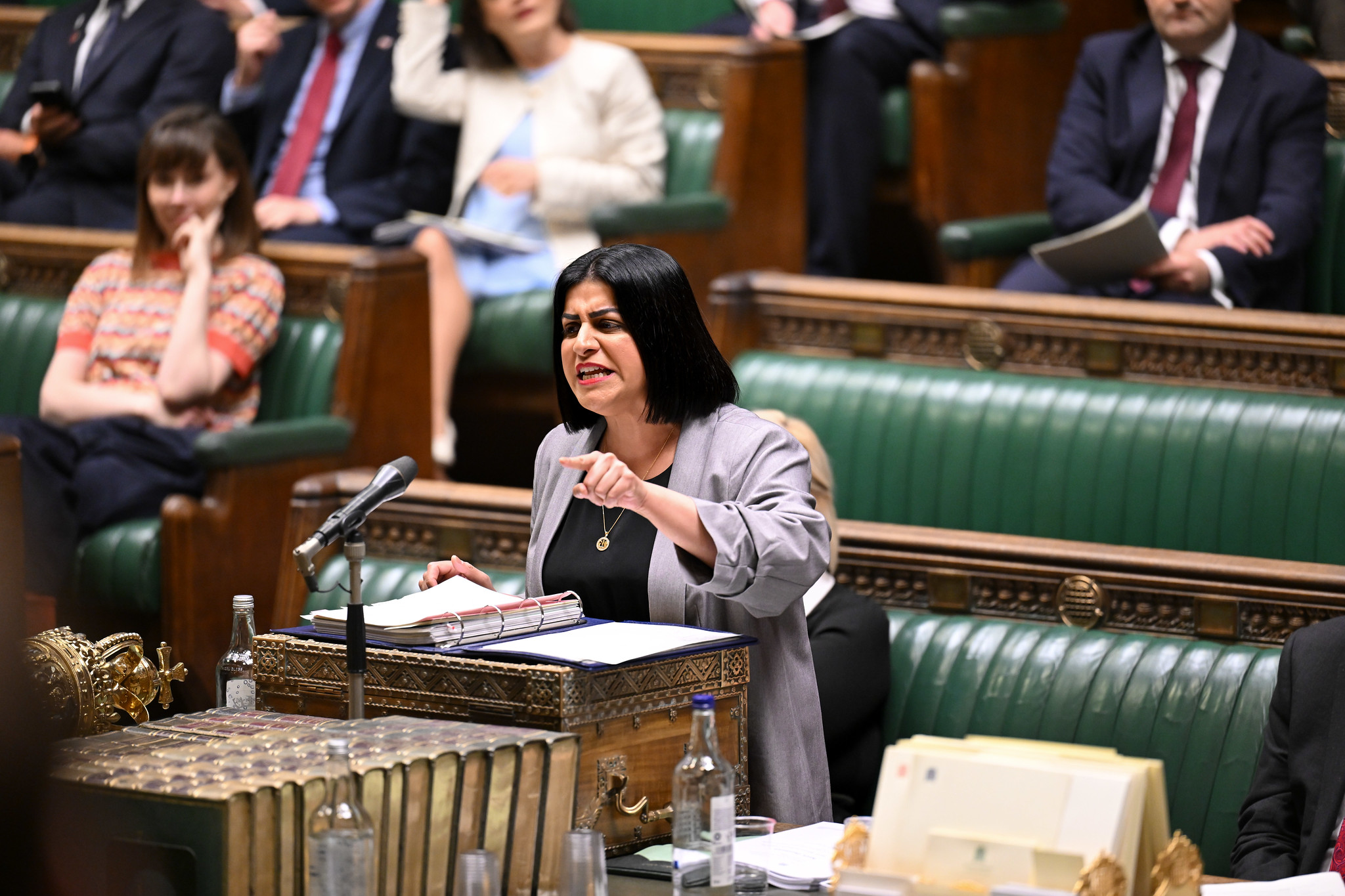
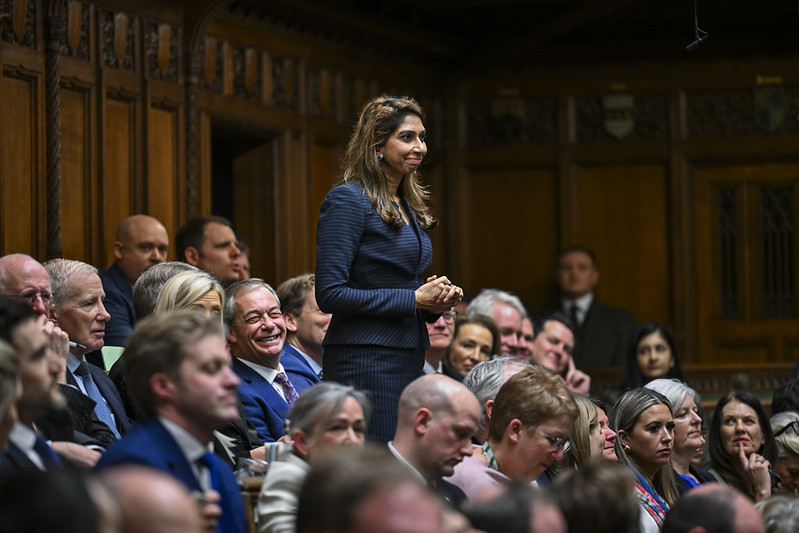
The intervention follows criticism from Reform UK Education Spokesperson Suella Braverman, who described the arrangements as an “outrageous anti-British scheme” that risked creating a “two-tier education system and divided society”.
Braverman also questioned why taxpayers should underwrite an alternative financing arrangement and cover losses arising from unpaid balances.
The controversy intensified after The Telegraph reported on November 10 that several universities had begun advertising the proposed arrangements to prospective students.
Known as Alternative Student Finance (ASF), the scheme is intended for students whose religious or ethical beliefs prevent them from taking out conventional interest-bearing loans. It would provide funding for tuition fees and living costs through an arrangement based on Takaful, an Islamic finance principle of mutual support. Instead of paying interest, graduates would make contributions into a shared fund to support future participants.
The Government says the scheme will be open to all eligible undergraduate students in England, regardless of faith, with funding and repayment amounts and timings equivalent to conventional student loans. However, contributions will be ring-fenced to support future participants rather than returned to the Government, raising questions about the use of public money and potential taxpayer exposure.
According to The Telegraph, the Government has provided more than £365,000 in public funding to the Islamic Finance Council UK to help develop the scheme and its certification arrangements.
The Department for Education rejected claims that the arrangements would favour Muslim students, describing such assertions as “completely false”. A spokesperson told The Telegraph that graduates would repay equivalent amounts regardless of which system they used, including an alternative to interest under the ASF arrangements.
The policy has a longer legislative history. The Government first explored Sharia-compliant student finance in 2013, while legislation enabling an alternative system was passed under the Conservative government through the Higher Education and Research Act 2017. Implementation has since been repeatedly delayed.
In a parliamentary response on October 7, 2026, Education Minister Baroness Smith of Malvern confirmed that the Government remained committed to introducing the scheme following the launch of the Lifelong Learning Entitlement (LLE).
Applications for the LLE opened on October 30, allowing eligible students to apply for funding for courses beginning in January 2027. However, no confirmed launch date has been announced for the alternative finance arrangements.
Before implementation, the scheme must receive certification from an independent Islamic Finance Supervisory Board to ensure compliance with Islamic finance principles. The Student Loans Company is expected to administer it alongside conventional student finance.
The debate also reflects differing interpretations of Islamic principles concerning interest-based borrowing. While some Islamic scholars consider conventional student loans permissible, others maintain that they conflict with religious requirements.
The MCB spokesperson argued that the scheme should be judged on its financial arrangements and potential to widen access to higher education, rather than being presented as a religious concession.
“The scheme will be open to everyone, regardless of faith, with funding and repayments equivalent to conventional student loans, using a fixed fee rather than interest,” the spokesperson said.
“It simply removes a barrier to higher education.”
Feature photo: Reform UK education spokesperson Suella Braverman has criticised plans for an alternative student finance scheme, describing it as an “anti-British” arrangement that risks creating a two-tier education system. The Muslim Council of Britain has dismissed the controversy as “manufactured outrage”. (Credit: House of Commons)