Elham Assad Buaras
A major revision of voter rolls in eastern India has raised concerns over electoral fairness, after data suggested that Muslim voters in India’s West Bengal state were disproportionately flagged for verification just weeks before state assembly elections.
West Bengal’s 294-seat assembly will hold elections in two phases on April 23 and April 29, with results due on May 4. The contest is expected to be closely fought between the ruling Trinamool Congress and the opposition Bharatiya Janata Party, with several constituencies likely to be decided by narrow margins.
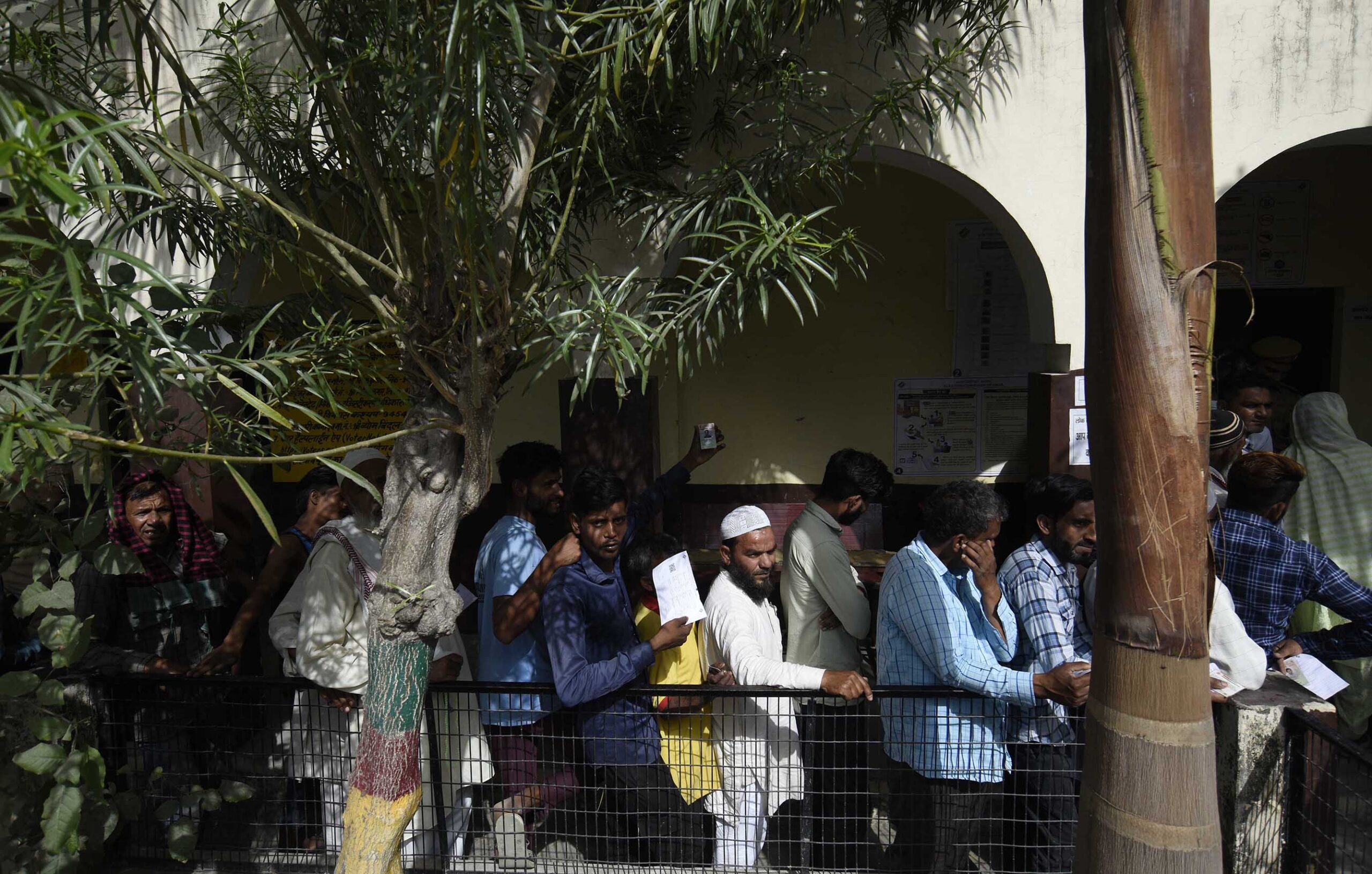
The controversy centres on the Election Commission of India’s Special Intensive Revision (SIR) 2026, a nationwide exercise to update electoral rolls by removing duplicate or ineligible entries and verifying voter details. Officials describe the process as routine, but the scale has drawn scrutiny: over 9 million names, around 12% of West Bengal’s electorate have been removed following the revision.
The SIR flags voters for discrepancies such as mismatched parent names, address errors, or questions over citizenship. While designed as a neutral, data-driven exercise, the pattern of flagged voters has raised questions about disproportionate impact on minority communities.
An investigation by Alt News, an independent fact-checking organisation, analysed over 1.28 million voter records across six constituencies. Of more than 300,000 voters placed in the newly introduced “Under Adjudication” category, over 92% were Muslim, despite Muslims constituting just over half of the electorate in those areas. More than 40% of Muslim voters in the dataset were flagged, compared with just 3.5% of Hindu voters.
The disparity was most pronounced in constituencies including Samserganj, Mothabari, Manikchak, and Nandigram. In Manikchak, almost 97% of flagged voters were Muslim, even though the constituency is almost evenly split between Hindus and Muslims. Research from the Sabar Institute found that in Nandigram, “about 95.5 % of deleted voters … are Muslims,” highlighting a stark imbalance.
Residents in Muslim-majority areas such as Malda’s Sujapur and Mothabari reported confusion and fear as some family members were removed from the rolls while others remained listed, raising concerns that eligible voters could be disenfranchised.
West Bengal Chief Minister Mamata Banerjee criticised the process, warning that minority voters were being targeted. She said at a rally in Nadia district: “Names were being removed from the voter rolls by targeting specific communities… the Matuas, Rajbanshis and minorities.”
BJP leaders, including Union Minister Dharmendra Pradhan, defended the revision, asserting that it was aimed at identifying non-Indian citizens and would not disenfranchise legitimate voters. He stated, “The SIR process targeted only non-Indian citizens… not legitimate Indian voters.”
Civil society groups and opposition parties have also urged the Election Commission of India to ensure transparency and fairness, warning that unresolved exclusions could affect voter confidence.
The issue has reached India’s Supreme Court, with reports indicating that around 55% of removed voters remain excluded even after adjudication proceedings. Cases have included long-time voters and political candidates initially barred from contesting due to minor discrepancies, later reinstated by tribunals. Around 500 judges in India are handling disputes arising from the revision, contributing to judicial delays and administrative challenges.
Analysts warn that the timing of the SIR revision, with elections imminent, could prevent large numbers of eligible voters from casting ballots. In several constituencies, the number of affected voters exceeds previous election margins, suggesting that unresolved exclusions could influence the outcome of the polls.
Experts and advocacy groups argue that if uniform criteria produce such uneven outcomes across communities, the credibility of the electoral process is at risk, particularly for minority voters.
Mob attacks Muslim homes in India over alleged beef: tensions flare in Assam
Muslim woman dies in Kolkata burning attack; Hindu man held after rejected proposal