Elham Asaad Buaras
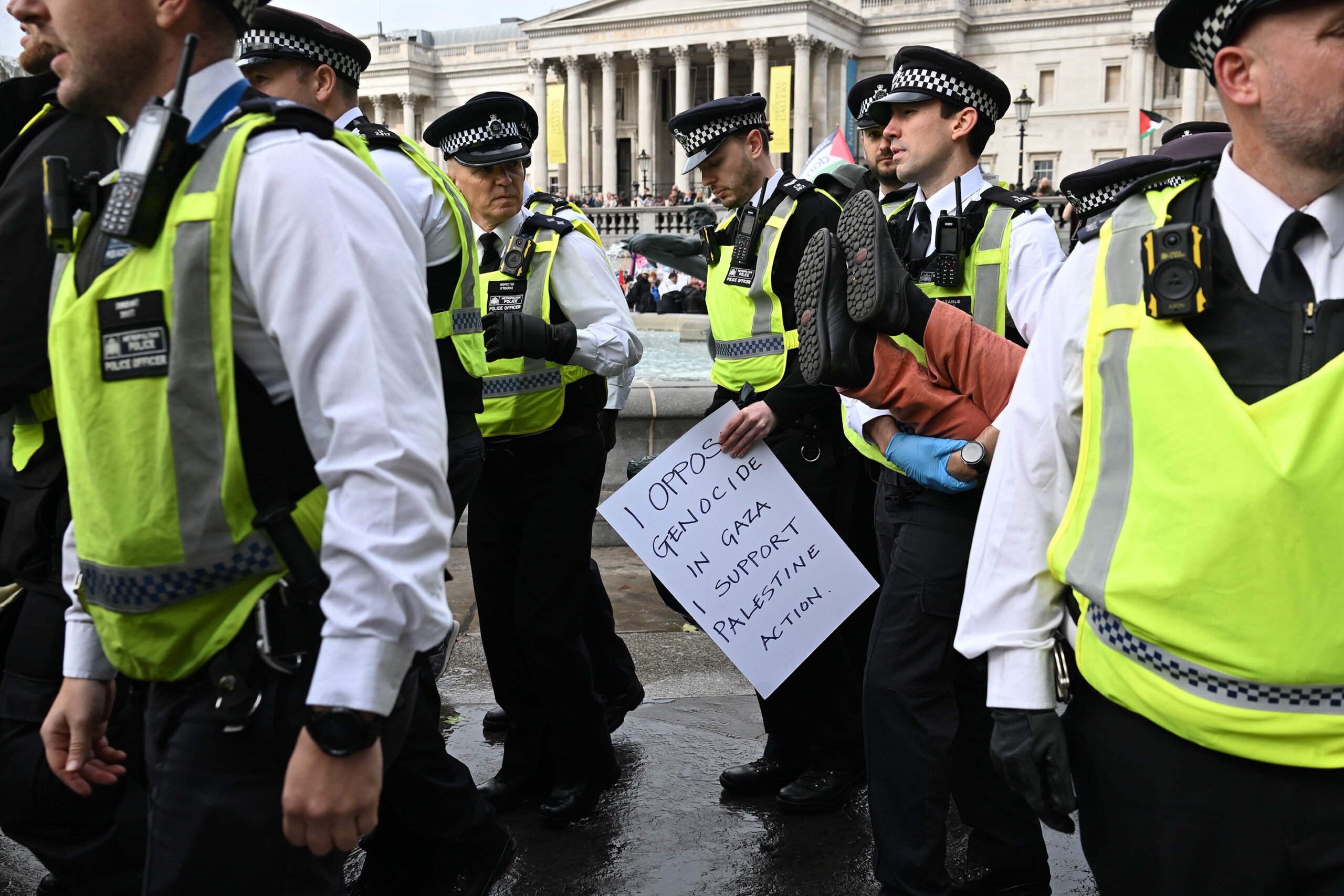
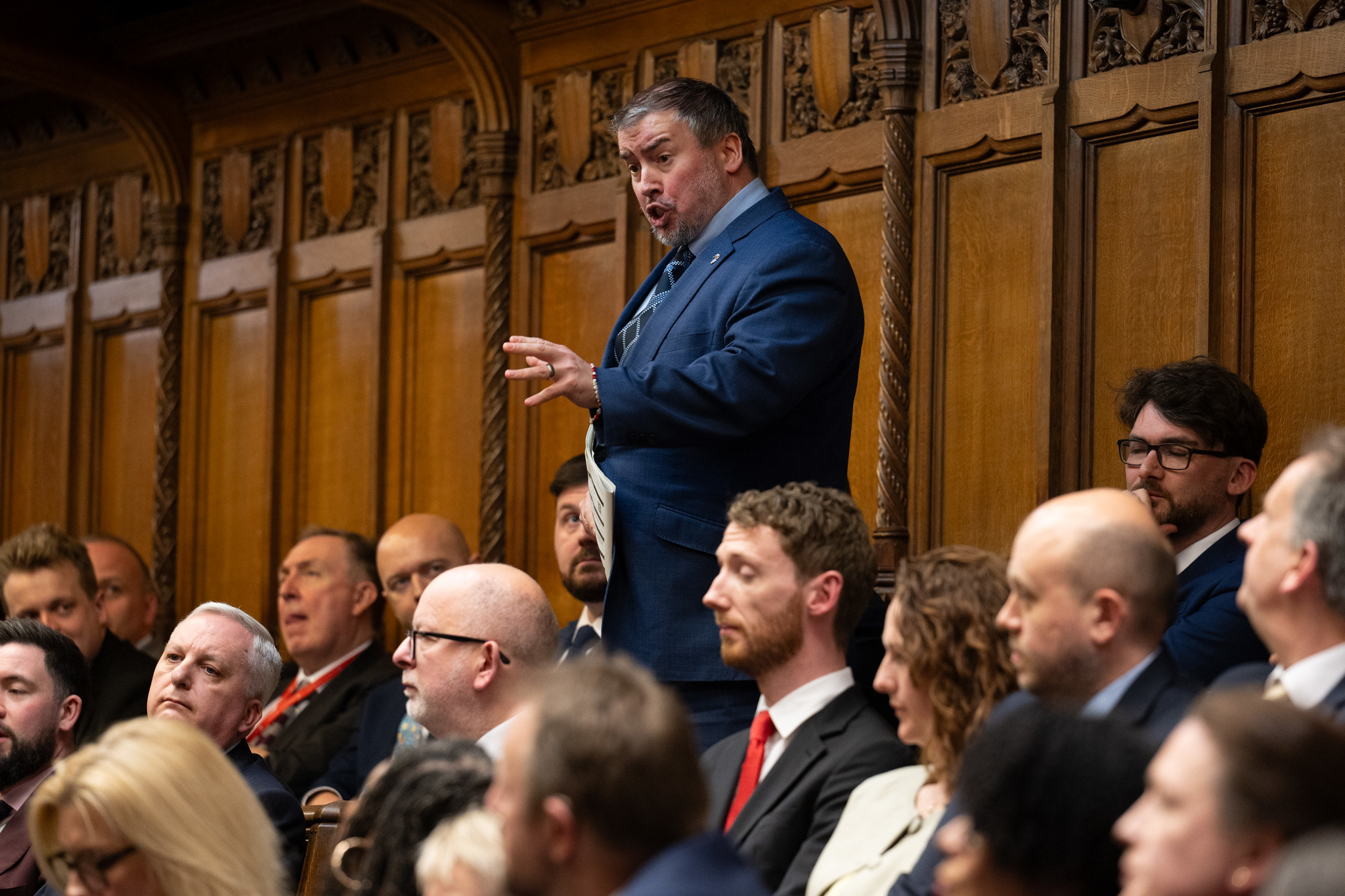
MPs have approved controversial measures in the Crime and Policing Bill, including the “cumulative disruption” clause, despite strong opposition from faith leaders and civil society groups warning it could undermine the right to peaceful protest.
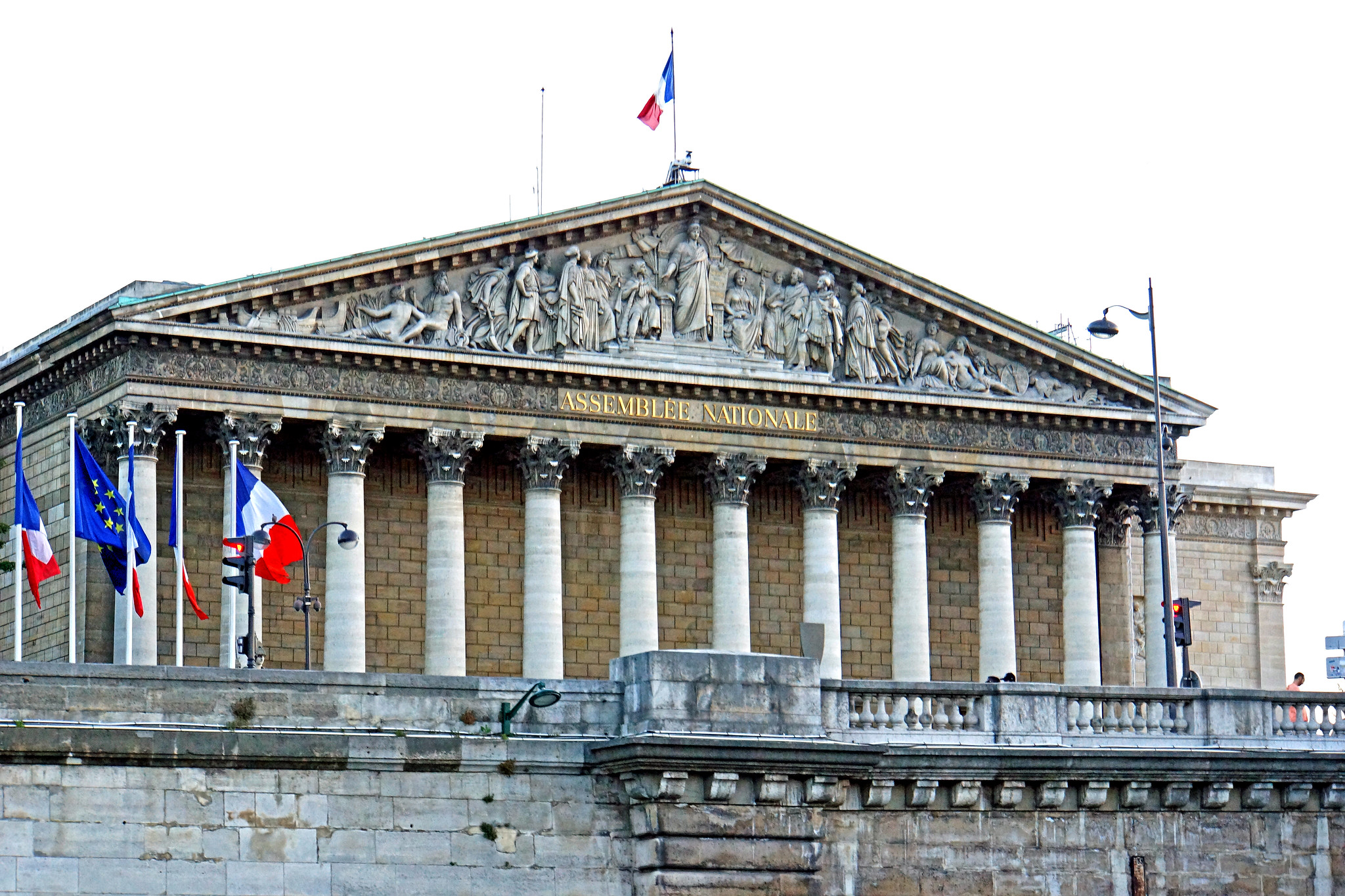
The vote, held on April 14 in the House of Commons, saw a majority of MPs back the Bill with the clause intact. However, a separate proposal to create a new category of “Extreme Criminal Protest Group” was removed during the passage of the legislation.
The decision came after days of concern from religious leaders and campaigners, who had urged MPs to drop the “cumulative disruption” provision before the vote.
On April 13, faith and belief leaders from across the UK — coordinated by Quakers in Britain — published a joint letter warning that the clause risked restricting lawful demonstrations and weakening a long-established democratic right.
Signed by senior representatives from Christian, Jewish, Muslim, Hindu, Sikh, Buddhist and humanist traditions, the letter argued that peaceful protest is rooted in conscience and moral duty across all faiths.
“We write as faith and belief leaders to express our opposition to the new ‘cumulative disruption’ clause in the Crime and Policing Bill,” the letter stated.
It added that peaceful protest has historically been central to social change: “Peaceful protest is allowed by international conventions to be disruptive, and successful campaigns for positive change have always involved cumulative action, from the suffragettes to villagers standing up against proposed fracking sites.”
The leaders warned that the clause, which allows police to consider previous and planned protests in the same area when imposing conditions, could lead to broad restrictions on lawful assembly.
“We believe the Bill’s new clause on ‘cumulative disruption’ undermines our right to peaceful protest. It is vague and broad, meaning that it could affect a huge range of protests,” they said.
The letter also raised concern that demonstrators could be restricted based on unrelated previous protests held in the same location.
The intervention came ahead of the Bill’s return to the Commons on April 14, following its third reading in the House of Lords on March 25.
Following the vote, Quakers in Britain expressed disappointment at the outcome. Paul Parker said: “Peaceful protest motivated by faith, belief and love should be celebrated, not criminalised. This legislation adds to the increasingly hostile climate for protesters who seek a better world for us all.”
He added that campaigners would continue to push for repeal of the measures, arguing that they risk weakening democratic accountability.
Critics, including the Equality and Human Rights Commission, have previously warned that the clause is too broadly drafted. Concerns have also been raised by UN Special Rapporteur Michel Forst, following his visit to the UK in 2024, alongside a Court of Appeal ruling in 2025 that found parts of earlier protest legislation unlawful.
Supporters of the Bill argue the measures are intended to help police manage repeated large-scale disruption in urban areas.
The Crime and Policing Bill marks the latest in a series of legislative attempts to tighten protest-related laws, amid ongoing debate over the balance between public order and civil liberties.
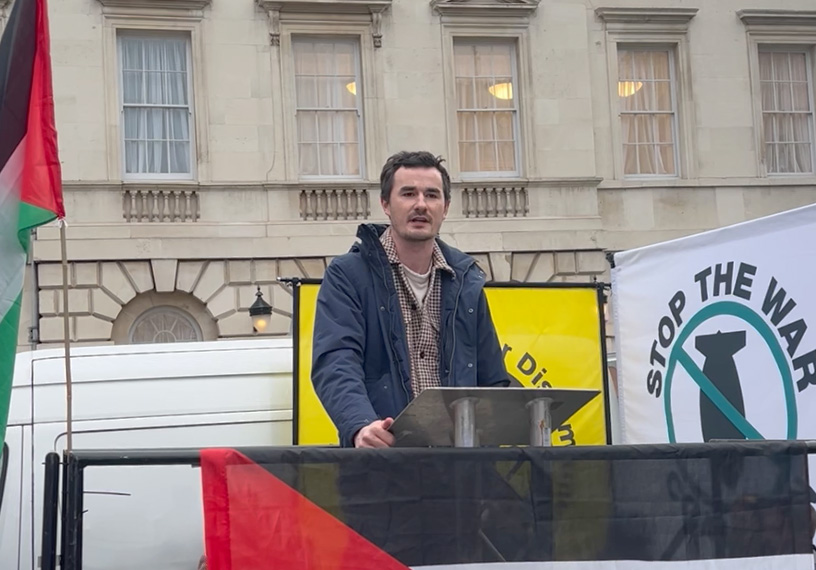
Feature photo: Quaker Public Affairs Officer Billy Vaughan speaks at a rally outside Parliament in March 2025, as MPs vote on the Crime and Policing Bill. Photo by Daphne Cronin for Quakers in Britain. (Credit: Daphne Cronin/Quakers in Britain)