Nadine Osman
A controversial French antisemitism bill that sparked warnings it could criminalise criticism of Israel and even lead to prosecutions over slogans such as “Free Palestine” has been withdrawn ahead of a planned parliamentary vote following intense political and public backlash.
The proposed legislation, introduced in November 2024 by MP Caroline Yadan and backed by the government of President Emmanuel Macron, had been scheduled for debate in the French parliament on April 16–17, 2026. However, it was pulled before reaching the floor after mounting opposition from lawmakers, legal experts and civil society groups.
The bill was officially presented as a response to a “resurgence” of antisemitism since October 7, 2023, and what it described as an “obsessive hatred toward the state of Israel”.
But critics warned it went far beyond tackling antisemitism and risked criminalising legitimate political expression, particularly criticism of Israel and solidarity with Palestinians.
“It wasn’t worrying as long as this definition remained a resolution. But now, with the Yadan bill, the aim is to criminalise the expression of certain opinions and prosecute anything critical of Israel,” said Nathalie Tehio.
At the heart of the controversy was the bill’s reliance on a disputed 2019 parliamentary definition of antisemitism, which includes “the targeting of the state of Israel, conceived as a Jewish collectivity”.
Critics argued this blurred the line between antisemitism and political criticism of Israel.
Under Article 1, the bill would have expanded offences of “incitement to terrorism” and “apology for terrorism” to include statements seen as legitimising acts of resistance, and allowed authorities to shut down places of worship where such remarks were made.
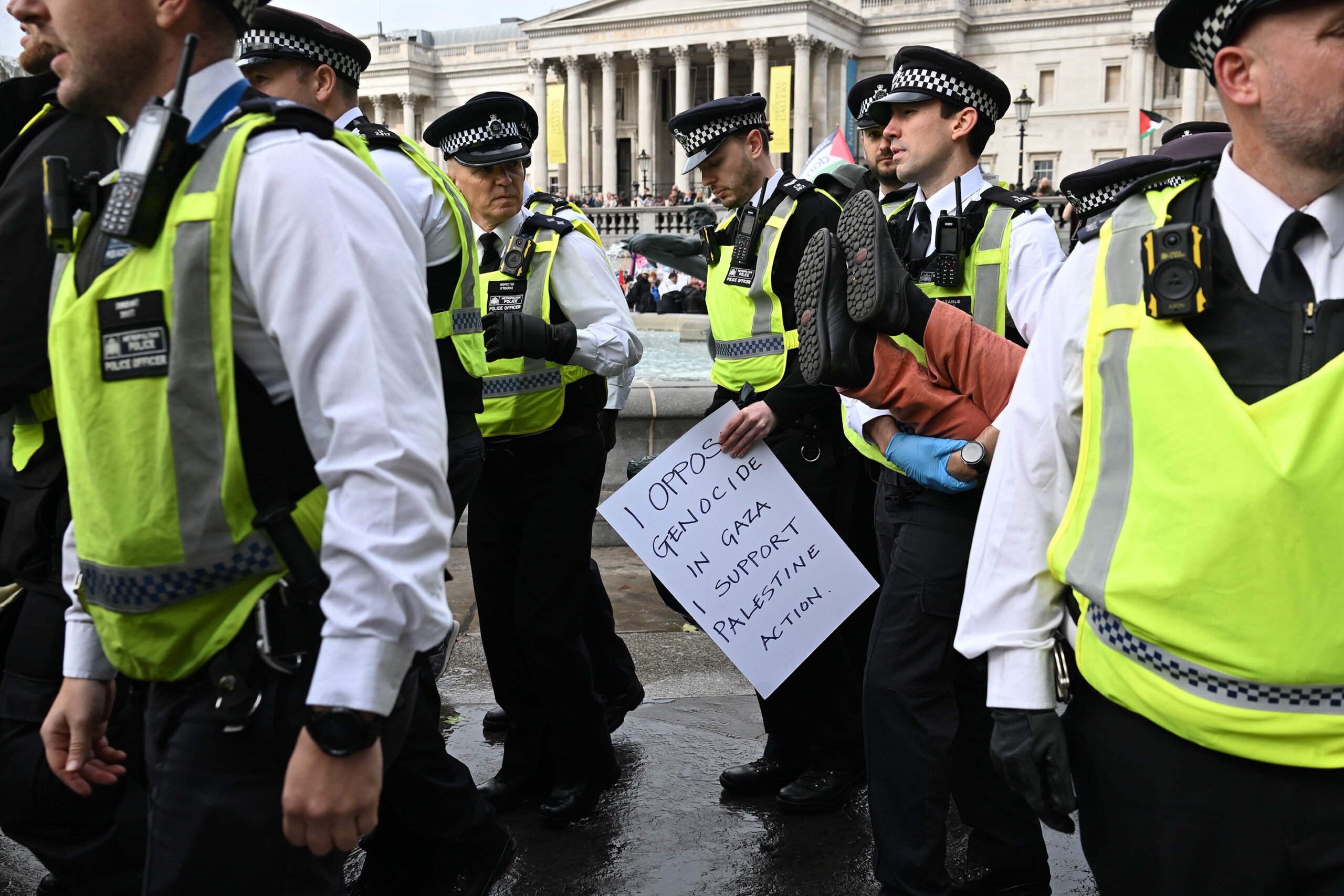
Article 2 proposed a new offence of “incitement to the destruction or denial of a state”, punishable by up to five years in prison and a €75,000 fine, raising concerns that slogans such as “Free Palestine” could be prosecuted.
Article 4 also sought to broaden Holocaust denial laws to include comparisons made “by insinuation, analogy or approximation”, prompting fears that references to apartheid or similar historical parallels could be penalised.
“This text poses a fundamental problem: it rests on a questionable, even dangerous, confusion between antisemitism, criticism of the state of Israel, and criticism of the policies it pursues,” said Green MP Sandrine Rousseau.
Left-wing MP Gabrielle Cathala accused the proposal of effectively shielding Israeli policy, saying it failed to address antisemitism while protecting what she described as a system of “apartheid”.
Legal bodies and rights groups also raised concerns over the bill’s wording and potential impact on free expression.
France’s top administrative court had previously warned that vague language in earlier drafts could lead to arbitrary prosecutions. Although revisions were made, critics said fundamental risks remained.
The French Lawyers’ Union described the proposal as “a veritable (and risky) thought police operation in which the criminal judge would have to engage”.
Lawyer Justine Banuls warned the legislation could be used to target academics and activists for speech relating to the Middle East conflict.
Human rights advisers from France’s National Consultative Commission on Human Rights also cautioned that criminalising calls for the “destruction of a state” could deter legitimate democratic debate.
The proposal also split opinion within Jewish organisations in France.
Pierre Stambul warned the bill risked unintended consequences, saying it could both expose French Jews to antisemitism and restrict their ability to criticise Israeli policy.
An open letter from prominent Jewish figures also rejected what it called the “false equation between Jews, Israel and Zionism”.
Although the bill has now been withdrawn, the debate has exposed deep divisions in France over how antisemitism should be defined in law, and where the boundary lies between hate speech and political expression.
Critics say the controversy is likely to resurface in future legislative attempts, with free speech, protest rights and the Israel-Palestine conflict remaining politically sensitive issues in France.
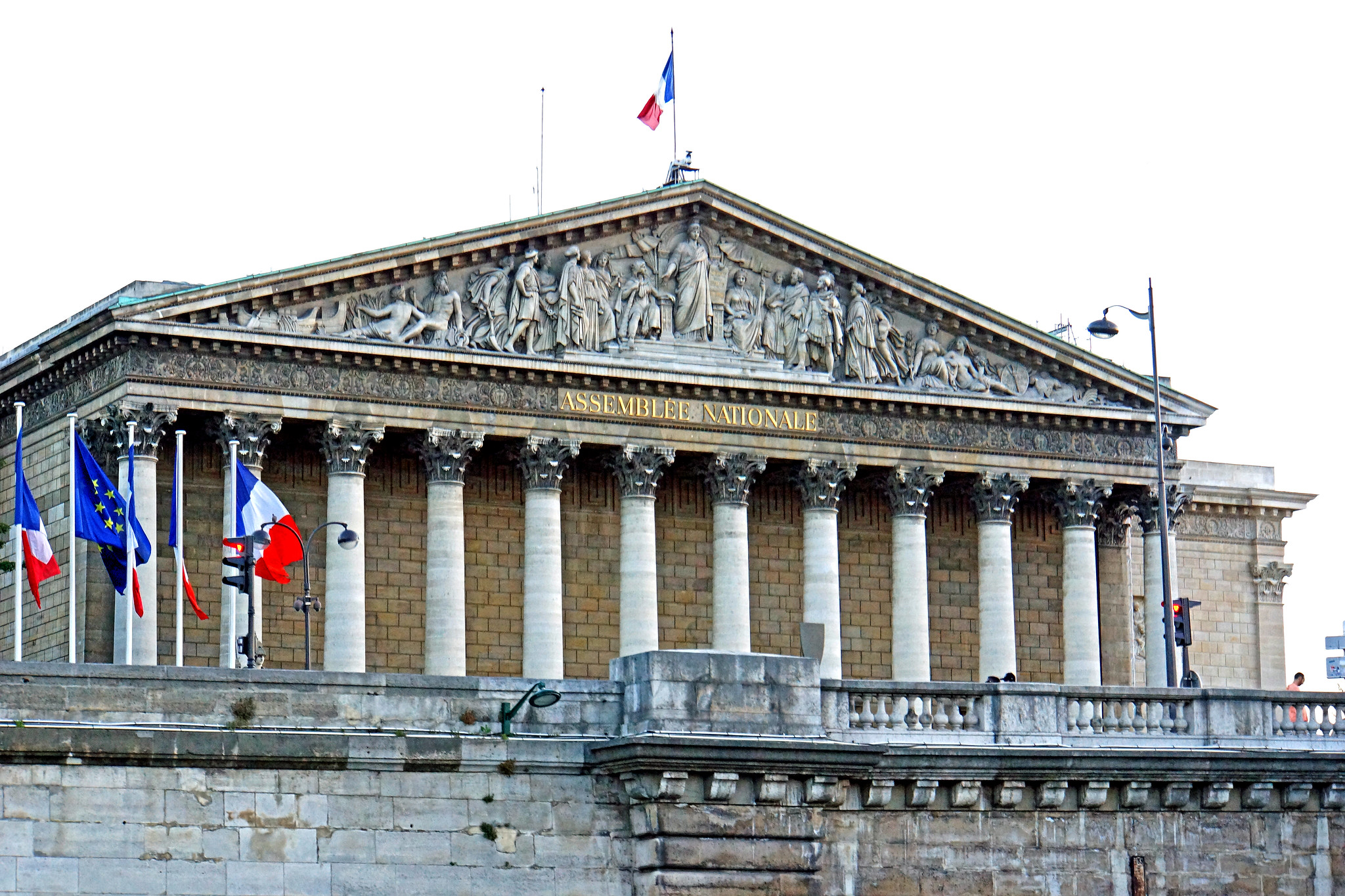
Feature photo: The French National Assembly in Paris. A controversial antisemitism bill has been withdrawn following widespread criticism over its potential impact on free speech and pro-Palestine expression. (Credit: Dennis Jarvis/Flickr CC)