Home Affairs Correspondent
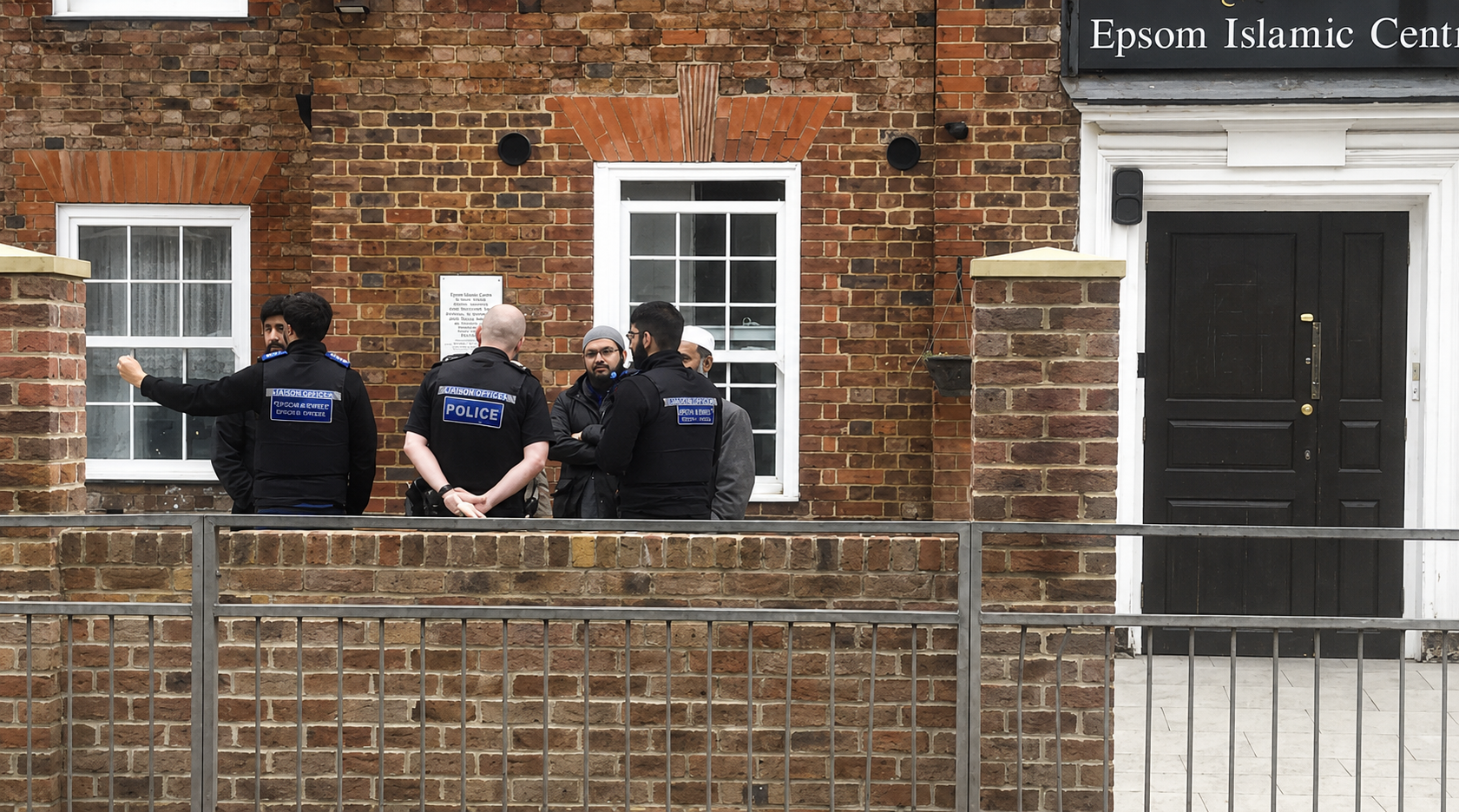
Mosques across the UK have been issued with an updated counter-security blueprint following warnings of a sustained rise in far-right threats and the disruption of several mass-casualty plots targeting places of worship in recent years.
The Muslim Council of Britain (MCB) published its Mosque Safety and Security Guidance Toolkit on June 18, aimed at bolstering defences against vandalism, targeted intimidation, and potential terrorist attacks.
According to the MCB, the updated guidance responds to a deeply entrenched and evolving danger facing British Muslims, with anti-Muslim incidents occurring at an average frequency of at least once a week over the past three months.
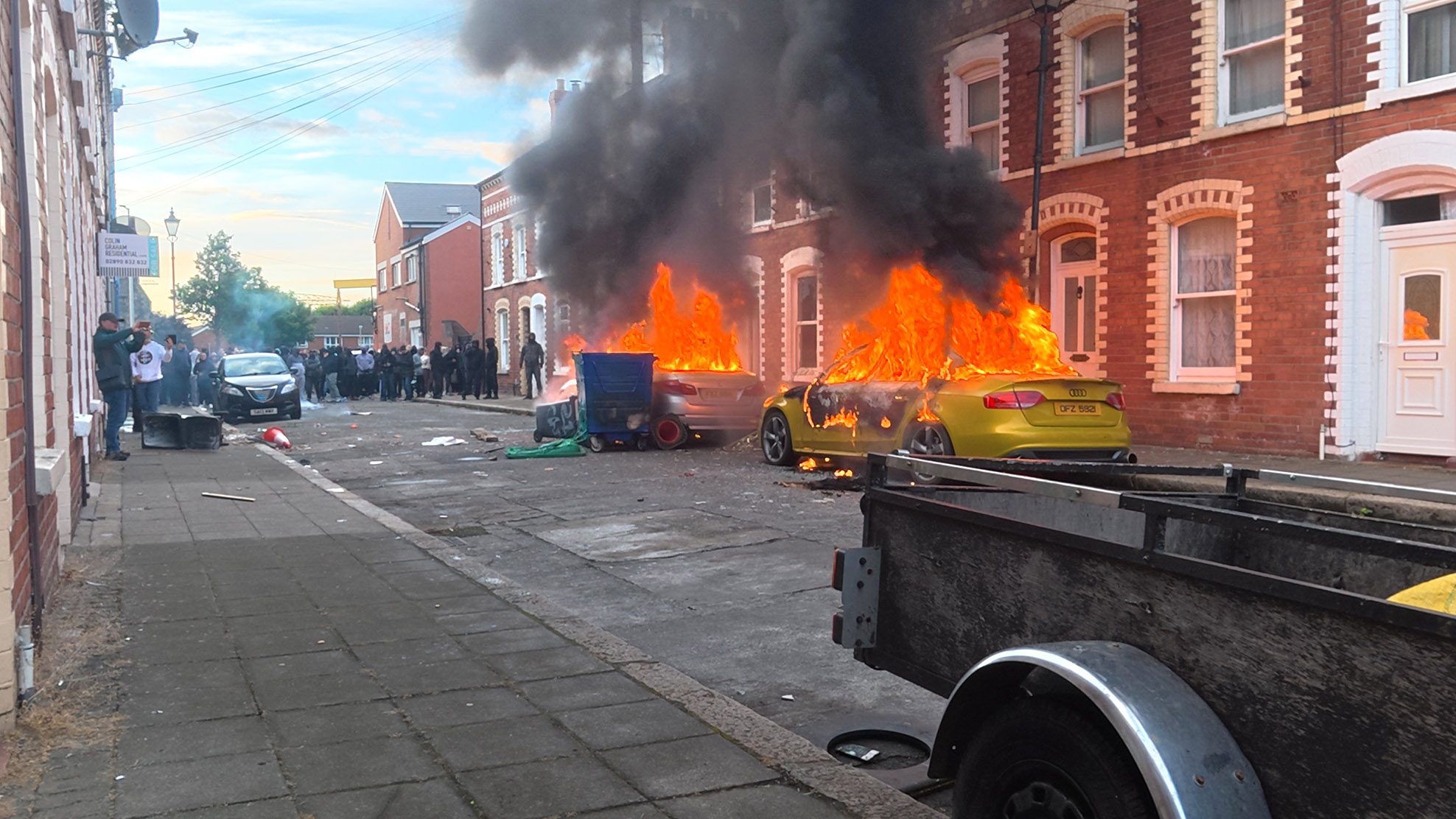
These hostile acts have increasingly manifested as sectarian vandalism, including swastika graffiti daubed on mosques, as well as threatening correspondence and harmful packages sent through the post. Worshippers have also faced direct intimidation and abuse when entering places of worship, amid broader concerns that online radicalisation and aggressive public demonstrations risk spilling over into real-world violence.
The publication coincides with the anniversary of the 2017 Finsbury Park terror attack, in which worshipper Makram Ali was killed when a far-right extremist drove a van into a crowd outside a north London mosque. The MCB cited the anniversary, alongside international atrocities in Christchurch and Quebec City, as stark reminders of the enduring threat posed by white supremacist and extremist ideologies.
To counter these threats, the new toolkit provides a highly structured security framework tailored to help trustees and volunteers manage risk regardless of a mosque’s size or financial resources. Central to the operational strategy is a phased security timeline spanning a 3–12–36 month preparedness framework that incorporates walk-through vulnerability assessments.
The guidance also establishes standardized crisis protocols for full lockdowns, “hold and secure” scenarios, and rapid evacuations, which are supported by templates for rapid alert systems and localized emergency contact networks. Furthermore, the blueprint offers actionable advice on specialist threat management, such as handling active intruders, suspicious packages, cyberattacks, and hostile mail, while outlining clear protocols for reporting hate crimes and streamlining intelligence sharing with local police forces and counter-terrorism officers.
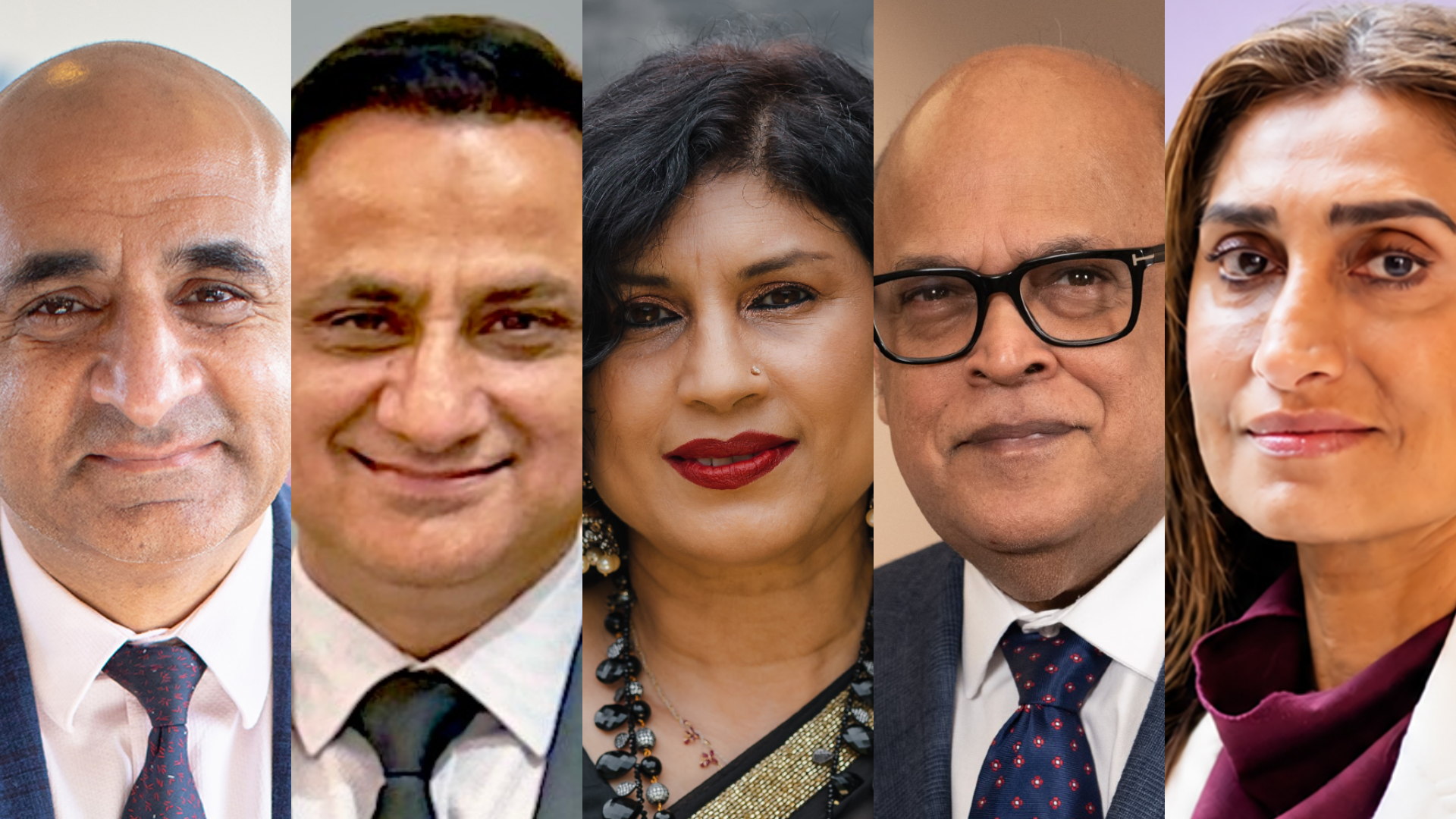
Beyond physical fortifications, the MCB is urging mosque leadership to foster deeper alliances with local community leaders, municipal councillors, and cross-faith groups to build institutional resilience. Commenting on the launch of the initiative, Dr Wajid Akhter, Secretary-General of the MCB, emphasized that physical barriers alone are insufficient, noting that the toolkit goes beyond physical security measures to stress the importance of strong local relationships, allies, and structured response planning to help communities remain vigilant and better prepared.
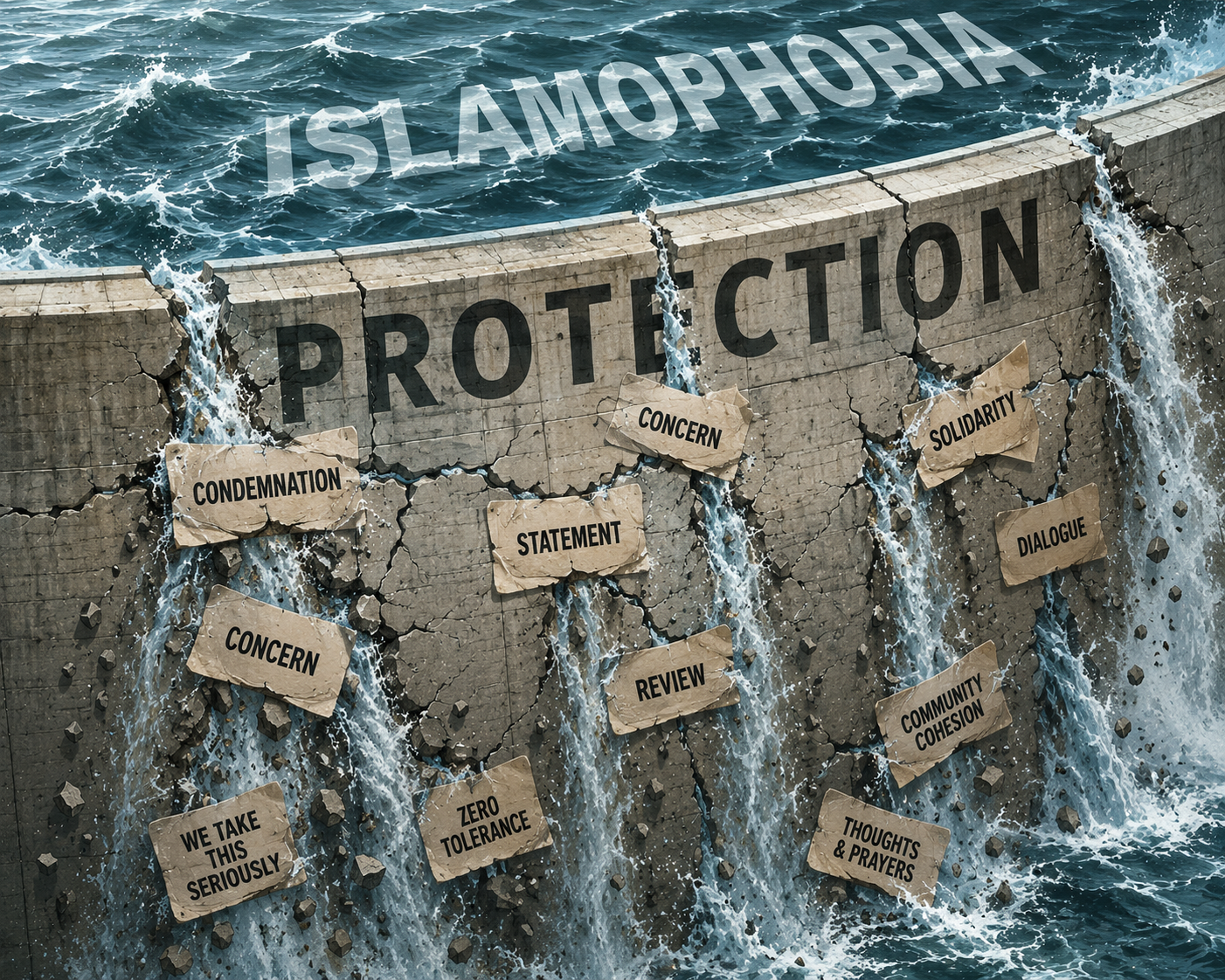
However, the council warned that local preparedness must be matched by national policy. The MCB has called on the Government and law enforcement agencies to take tougher action against structural Islamophobia, far-right radicalisation networks, and the proliferation of dehumanising rhetoric in public and online spaces