The scenes witnessed in Northern Ireland and Scotland this month should disturb every person who believes in equal citizenship, religious freedom and the rule of law.
Following the tragic stabbing of Stephen Ogilvie in Belfast, the overwhelming response from political leaders, community organisations and even the victim’s own family was clear: responsibility lies with the individual accused of the crime, not with entire communities. Yet that message was drowned out in some quarters by a wave of racist and anti-Muslim hostility that left families displaced, homes burned, healthcare workers intimidated and worshippers fearing for their safety.
When mobs chant “kill all Muslims,” when worshippers have to shelter inside a mosque under police protection, and when families are targeted because of their ethnicity, society must call these acts what they are: hatred, racism and Islamophobia.
Many Muslims will look at these events and ask a difficult question: where is the same level of national outrage, attention and solidarity that follows other forms of hate crime? It is a question that deserves to be heard rather than dismissed.
The facts are stark. Muslim organisations repeatedly condemned the original stabbing. Community leaders urged calm. The Irish Muslim Council stressed that collective blame was unjust. Yet innocent Muslims and other minority communities still became targets. In Glasgow, worshippers inside Scotland’s largest mosque found themselves effectively under siege as groups of masked men approached the area. In Belfast, families were driven from their homes and left living in fear.
These concerns are not based on perception alone. Home Office figures show that religious hate crimes targeting Muslims rose by 19 per cent in England and Wales in the year ending March 2025, increasing from 2,690 to 3,199 offences. The Home Office also noted a “clear spike” in anti-Muslim hate crimes following the Southport murders and the disorder that followed.
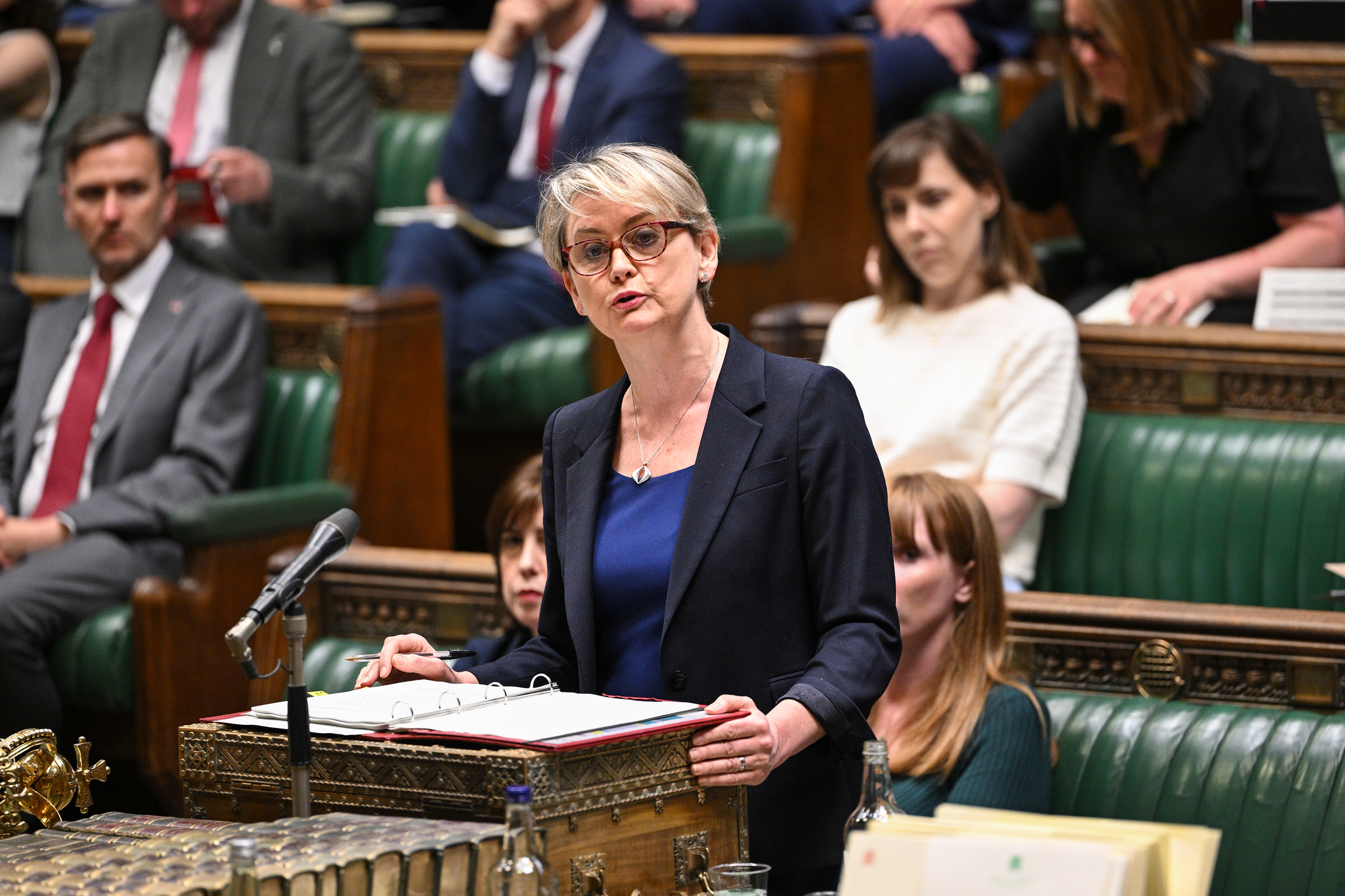
Recent events in Edinburgh have reinforced those concerns. Five people were injured in a series of multi-location stabbing attacks involving a bladed weapon (reported as a machete or large knife) in which the suspect was reportedly heard shouting anti-Muslim abuse. The attacks took place across several areas of the city, including Sighthill in west Edinburgh (near a mosque), Telford Road, and Leith Walk, with victims targeted at different locations during the same incident. Two of the injured men were reported to have recently attended prayers at a local mosque. Prime Minister Keir Starmer said the suspect appeared to be motivated by anti-Muslim hatred, while Home Secretary Shabana Mahmood stated that there was “no place for hatred and violence against Muslims”.
However, despite the Home Secretary’s public recognition of the severity of anti-Muslim hatred in her statement, there has been no publicly reported COBRA meeting in response to the Edinburgh attacks at the time of writing, unlike other recent major incidents where such a national emergency response was convened. This contrast between ministerial language and the level of central government coordination has itself become part of the wider concern about inconsistency in how serious incidents are responded to.
No democracy can accept such scenes as normal.
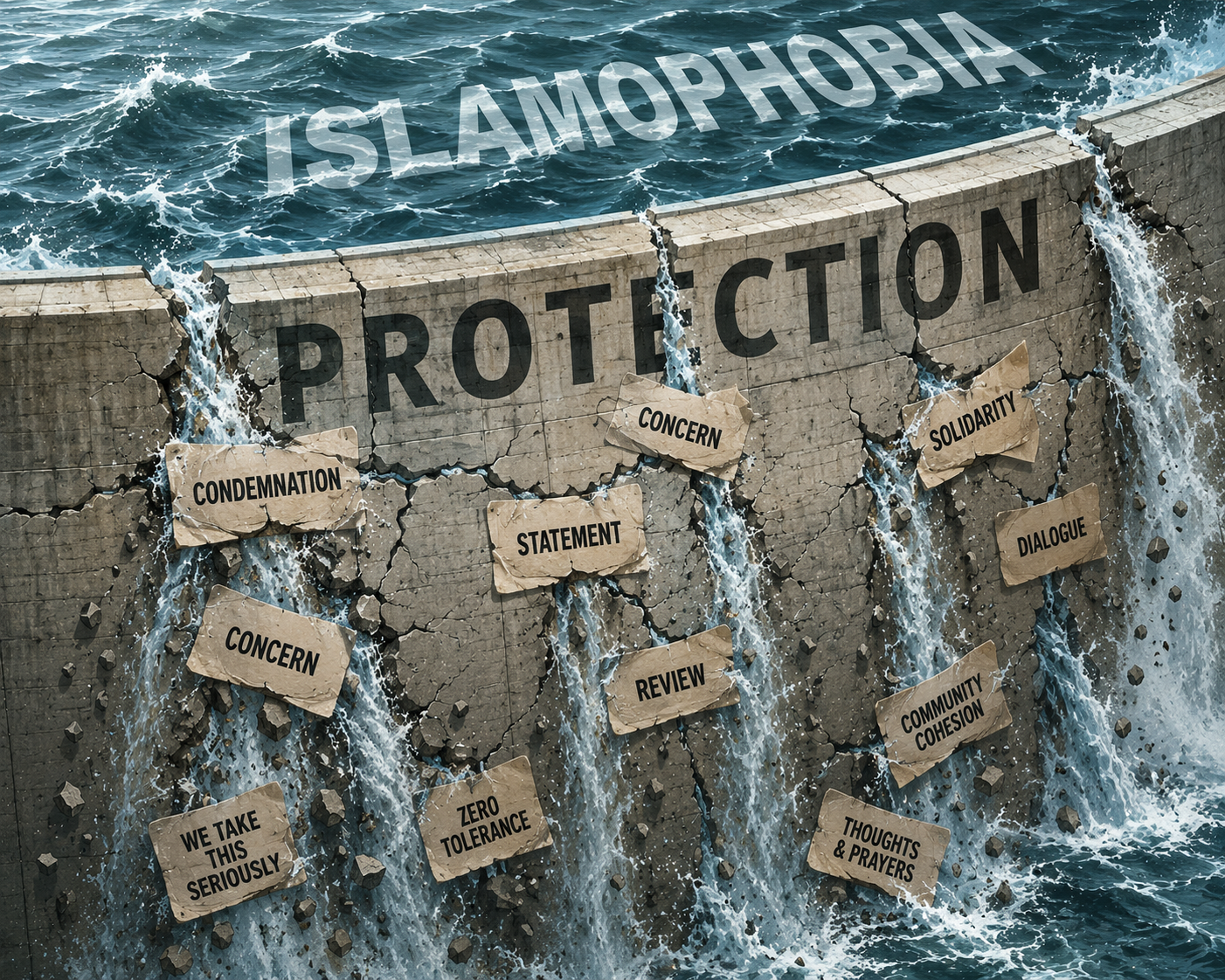
The Government, police and public authorities have condemned the violence, and that is welcome. But condemnation alone is not enough. Communities judge institutions not only by their statements but by whether they feel protected when hatred erupts on the streets. For many Muslims, there remains a gap between official promises and lived experience.
That perception matters. Trust in public institutions cannot be demanded; it must be earned. When communities repeatedly raise concerns about anti-Muslim hatred, those concerns deserve serious engagement, not political defensiveness.
Home Office statistics further show that Muslims remain the single largest group targeted by religious hate crime in England and Wales, accounting for 45 per cent of all recorded religious hate crime offences where the victim’s faith was identified.
Equally, those seeking to exploit these events to create division must be rejected. The answer to Islamophobia cannot be communal hostility or withdrawal from wider society. The answer is greater democratic participation, stronger alliances against racism, and sustained pressure on policymakers to ensure that anti-Muslim hatred receives the attention it deserves.
The victim’s family themselves offered perhaps the most important lesson. They rejected attempts to use their tragedy to fuel hostility towards migrants and minorities, recognising that countless people from diverse backgrounds contribute positively to British society every day.
Their appeal for calm and rejection of collective blame stood in stark contrast to those who sought to exploit a personal tragedy as a justification for hatred.
Their response showed dignity. The rioters showed the opposite.
The challenge now is whether political leaders can match that dignity with meaningful action. Britain cannot claim to be a country of tolerance while Muslims are forced to fear attacks on their mosques, their homes or their families. Every citizen, regardless of faith or background, deserves to live free from intimidation and hatred.
The events of recent weeks should not simply be condemned and forgotten. They should be a warning. When racism and Islamophobia are allowed to spread unchecked, the damage extends far beyond the communities directly targeted. It weakens the values that hold society together.
Muslims, like every other group in society, deserve to live free from fear and intimidation.
Every victim of hate crime deserves justice. Every community deserves protection. And no one should be made to fear for their safety because of their faith, ethnicity or background.
Many Muslims feel that government responses to Islamophobia have often lacked the urgency and visibility seen after other forms of hate crime. The rise in officially recorded anti-Muslim hate offences has only reinforced those concerns and increased calls for stronger action from policymakers. Whether or not that perception is entirely accurate, it is a genuine concern that policymakers should take seriously. Community confidence depends not only on policing and prosecutions but also on public solidarity, leadership and reassurance from elected officials.
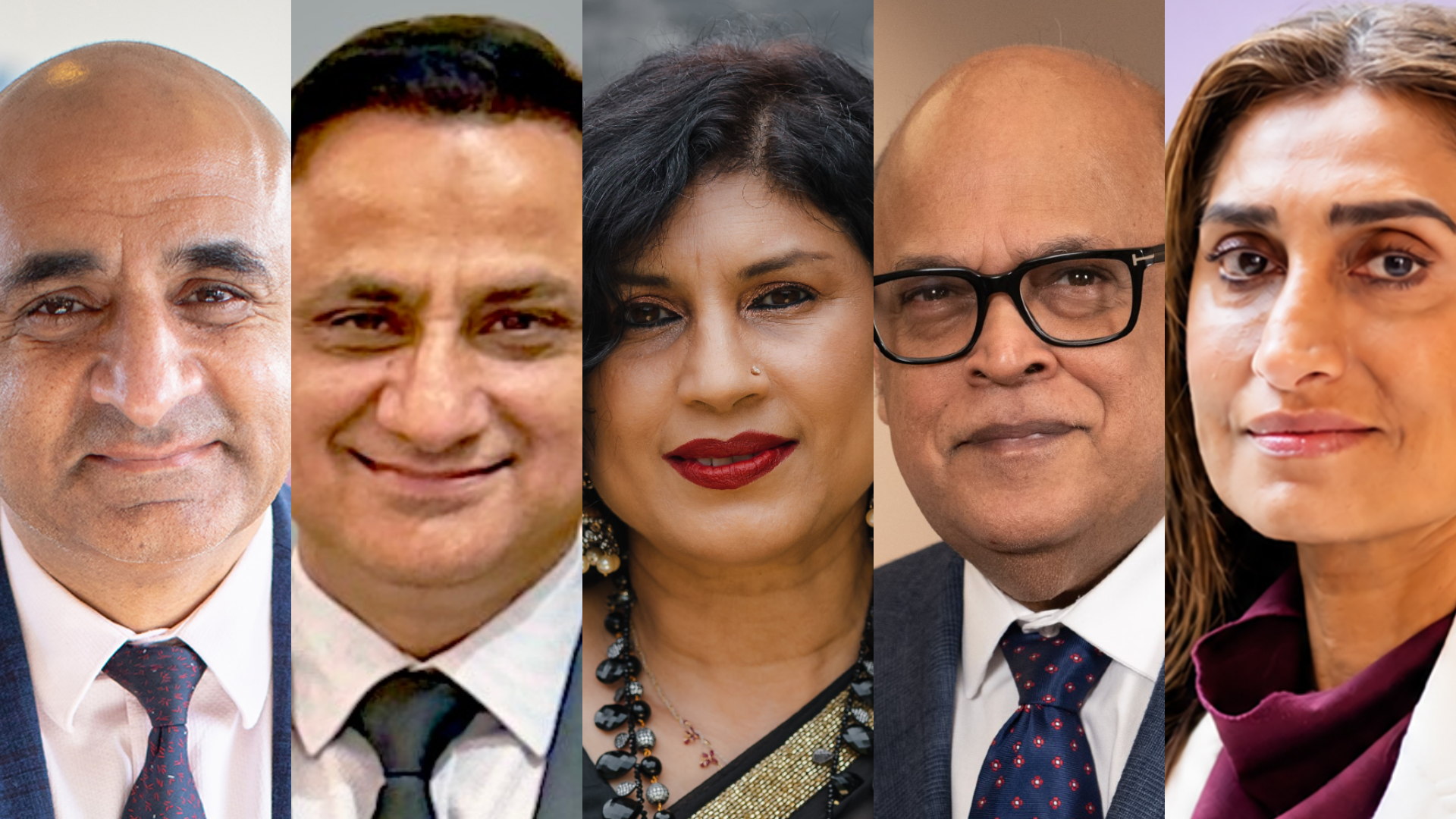
Prime Minister Keir Starmer has failed to protect Muslims. He even changed the universally accepted word Islamophobia and diluted the new definition of anti-Muslim hatred. A dozen Muslims have applied to lead the anti-Muslim hostility tsar. Will they stand up to the government and defend the Muslim community as the antisemitism tsar is doing? Only time will tell.
We are waiting for Andy Burnham to be the next Prime Minister. Will he be better than Starmer or treat Muslims as second class citizens?