International Affairs Correspondent
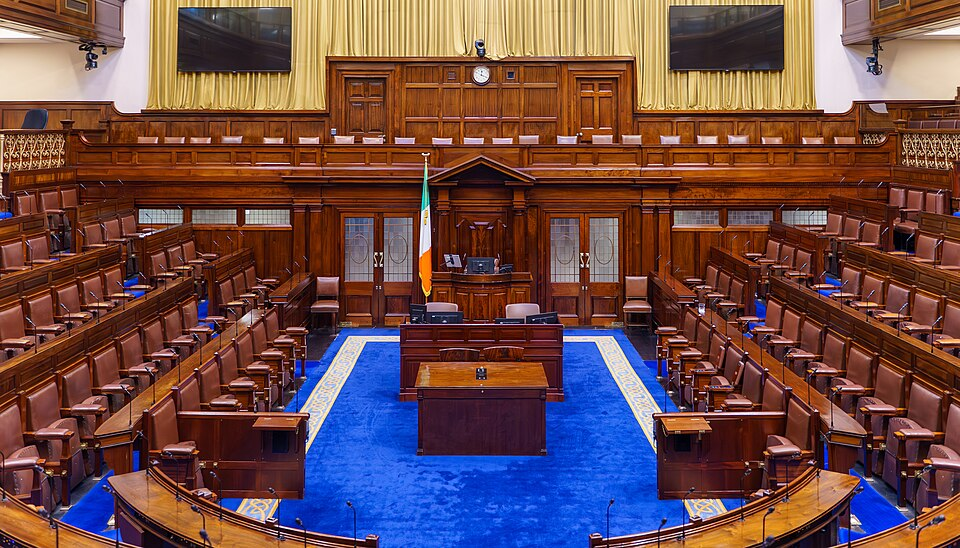
Germany has suffered a rare and embarrassing diplomatic defeat after failing to win a non-permanent seat on the UN Security Council – with senior figures suggesting its hardline stance on Israel and Gaza may have cost it crucial support.
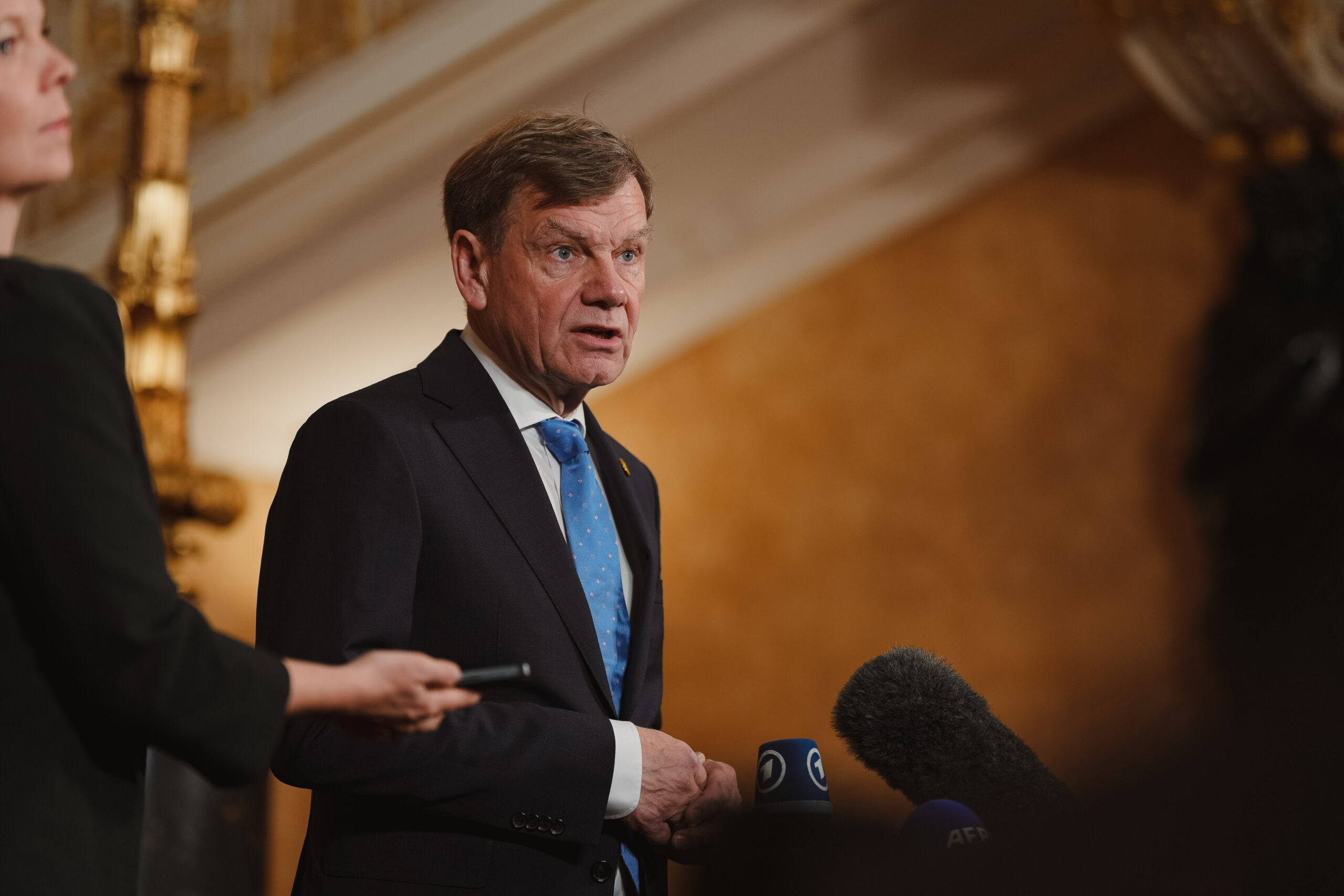
Foreign Minister Johann Wadephul admitted that Berlin’s foreign policy position could have influenced the outcome after Germany secured just 104 votes in the UN General Assembly ballot on June 4, well short of the two-thirds majority needed.
Instead, Austria and Portugal clinched the two available seats for the Western Europe and Others Group, leaving Germany out in the cold in a result that has sent shockwaves through Berlin’s diplomatic circles.
It marks a highly unusual setback for Europe’s largest economy, which has regularly held a rotating seat on the powerful UN Security Council for decades.
Wadephul suggested Germany’s long-standing doctrine of “special responsibility” towards Israel – rooted in its post-Holocaust foreign policy – may have influenced how other countries voted.
“The fact that Germany must always assume a special responsibility for Israel in the Middle East conflict may also have cost votes,” he told reporters.
Germany has been one of Israel’s staunchest allies since the escalation of the Gaza war in October 2023, providing strong political backing while also facing criticism over its voting record at the UN on ceasefire and humanitarian resolutions.
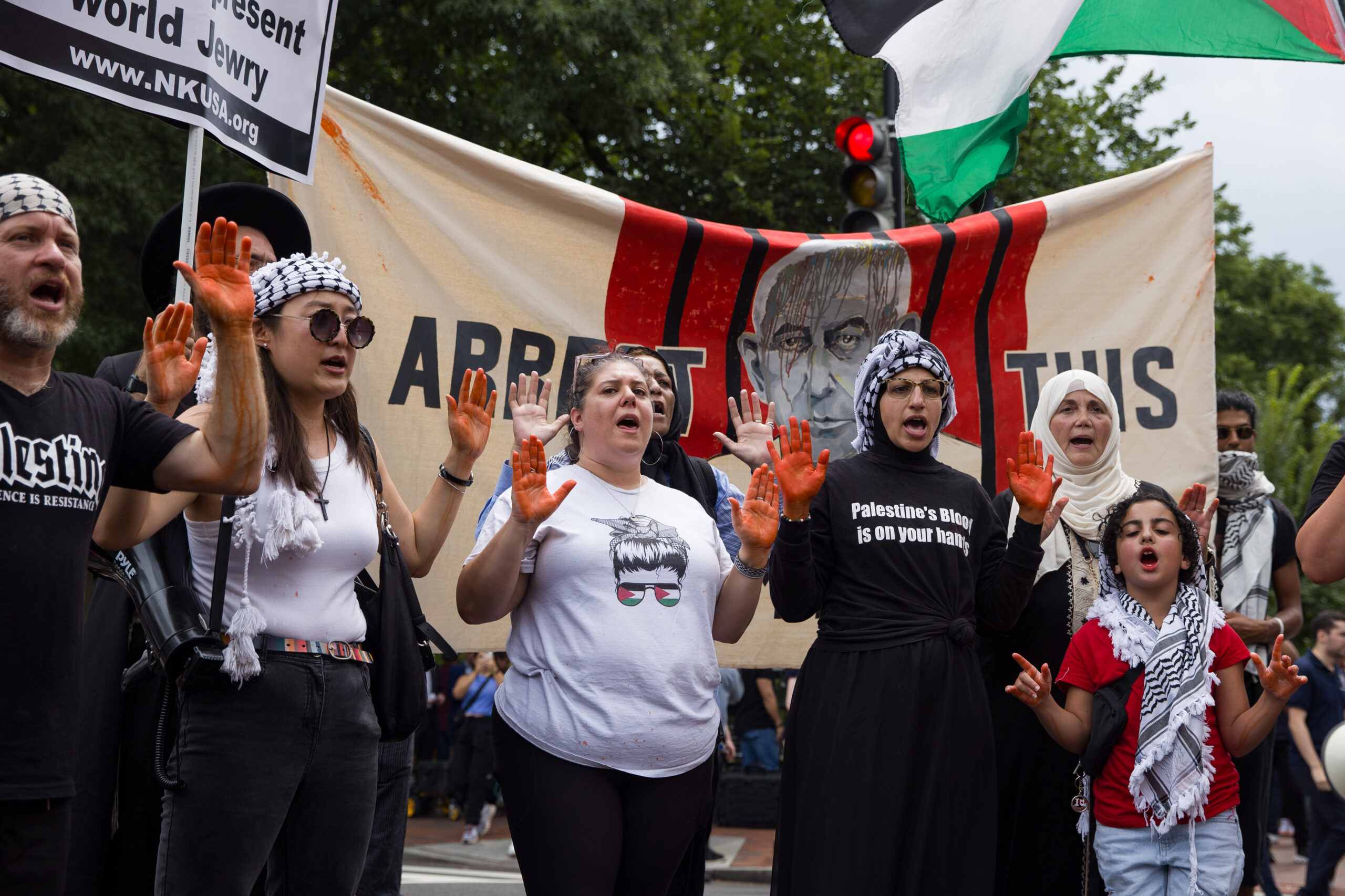
Critics have gone further, arguing the vote reflects growing international anger over Berlin’s position on Gaza.
Iranian-Swedish writer and political analyst Trita Parsi said Germany’s alignment with Israel “had everything to do” with the outcome, insisting Ukraine was not a distinguishing factor compared with Austria and Portugal.
Former UN human rights official Craig Mokhiber also linked the result to what he called Germany’s “scandalous support” for Israel’s military campaign, as well as domestic restrictions on pro-Palestinian activism.
The claims come amid wider accusations from critics that Western governments closely aligned with Israel are facing increasing diplomatic isolation as the humanitarian catastrophe in Gaza deepens, with Palestinian casualties reported to have exceeded 70,000 according to local health authorities cited by UN agencies.
The result has triggered a wave of political recriminations at home.
Member of the German Bundestag Alice Weidel branded the outcome an “embarrassment”, while Social Democratic Party foreign policy spokesperson Adis Ahmetovic warned it reflected “how Germany is perceived internationally”.
Chancellor Friedrich Merz, who came to office in 2026 promising to restore Germany’s global standing, now faces uncomfortable questions over whether his government’s foreign policy positioning is damaging its diplomatic influence.
While Gaza has dominated the debate, diplomats say other factors likely played a role in the vote.
Austria’s long-standing reputation for neutrality – and Vienna’s status as a key UN hub – is believed to have boosted its appeal among non-aligned states, particularly in the Global South.
Portugal, meanwhile, benefited from extensive diplomatic ties across Portuguese-speaking nations and a reputation for taking a more balanced stance on international conflicts.
Some observers also noted that Austria launched its campaign earlier, giving it a head start in securing backing from member states.