Middle East Correspondent
Israel’s international standing has suffered a dramatic decline, according to a major new survey spanning 36 countries, with large majorities across much of the world now expressing unfavourable views of the country and profound scepticism towards Prime Minister Benjamin Netanyahu.
The findings, published by Pew Research Center following interviews conducted between February and May 2026, paint a picture of a country facing mounting reputational damage across continents, political divides and generations.
The survey was conducted during a period marked by continuing devastation in Gaza, heightened regional instability and the military confrontation involving Israel, the US and Iran. Most respondents were interviewed after the launch of military operations against Iran on February 28, placing the findings within a period of intense international scrutiny of Israeli policy.
Across all 36 countries surveyed, a median of 67% of respondents said they held an unfavourable opinion of Israel, compared with only 25% who viewed the country favourably.
The results reveal a level of international criticism that extends far beyond the Middle East.
Predictably, some of the strongest opposition was recorded in Muslim-majority societies. Overwhelming majorities in Bangladesh, Indonesia, Malaysia, Pakistan and Turkey expressed negative views of Israel, while Palestinians living in the West Bank and East Jerusalem registered some of the highest levels of hostility measured in the study. Pew researchers noted that polling could not be conducted in Gaza itself due to the ongoing conflict and humanitarian conditions.
Yet the most striking finding may be the extent to which negative sentiment has become entrenched across Western democracies that have historically maintained close ties with Israel.
Across Europe, public opinion has shifted sharply against the Israeli state. In Italy, Spain and the Netherlands, around half or more of respondents described their opinion as “very unfavourable” rather than merely unfavourable, indicating particularly intense opposition.
Britain, France, Germany, Sweden, Poland and Greece also recorded substantial majorities expressing negative views.
In North America, majorities in both the US and Canada now view Israel unfavourably. While support remains stronger among some political constituencies, the broader trend points towards declining sympathy, particularly among younger and more progressive voters.
Even in countries traditionally less involved in Middle Eastern politics, such as Australia, Japan and South Korea, negative perceptions now outweigh positive ones by significant margins.
The survey suggests that Israel’s image problem is not a temporary reaction but part of a broader trend that has accelerated since the outbreak of the Gaza war.
While international opinion was already deteriorating in previous surveys, Pew found that negative views increased significantly in 13 of the 24 countries where comparable data exists from 2025.
Argentina saw one of the most notable shifts, moving from a divided public to a clear majority holding unfavourable views.
In Australia, Italy, Nigeria, Poland and the UK, the proportion of respondents holding strongly negative views rose by double-digit margins.
Only Greece recorded a statistically significant improvement in perceptions of Israel compared with the previous year, although even there only a minority expressed a favourable opinion.
The findings suggest that images of destruction in Gaza, prolonged conflict and continuing political controversy surrounding Israeli military operations have contributed to a sustained erosion of international goodwill.
One of the clearest patterns emerging from the research is the widening generational divide.
Across numerous countries, younger adults are considerably more critical of Israel than older generations.
In Hungary, 72% of respondents aged between 18 and 34 held an unfavourable view of Israel, compared with 45% among those aged 50 and older.
Similar age gaps appeared throughout Europe and North America.
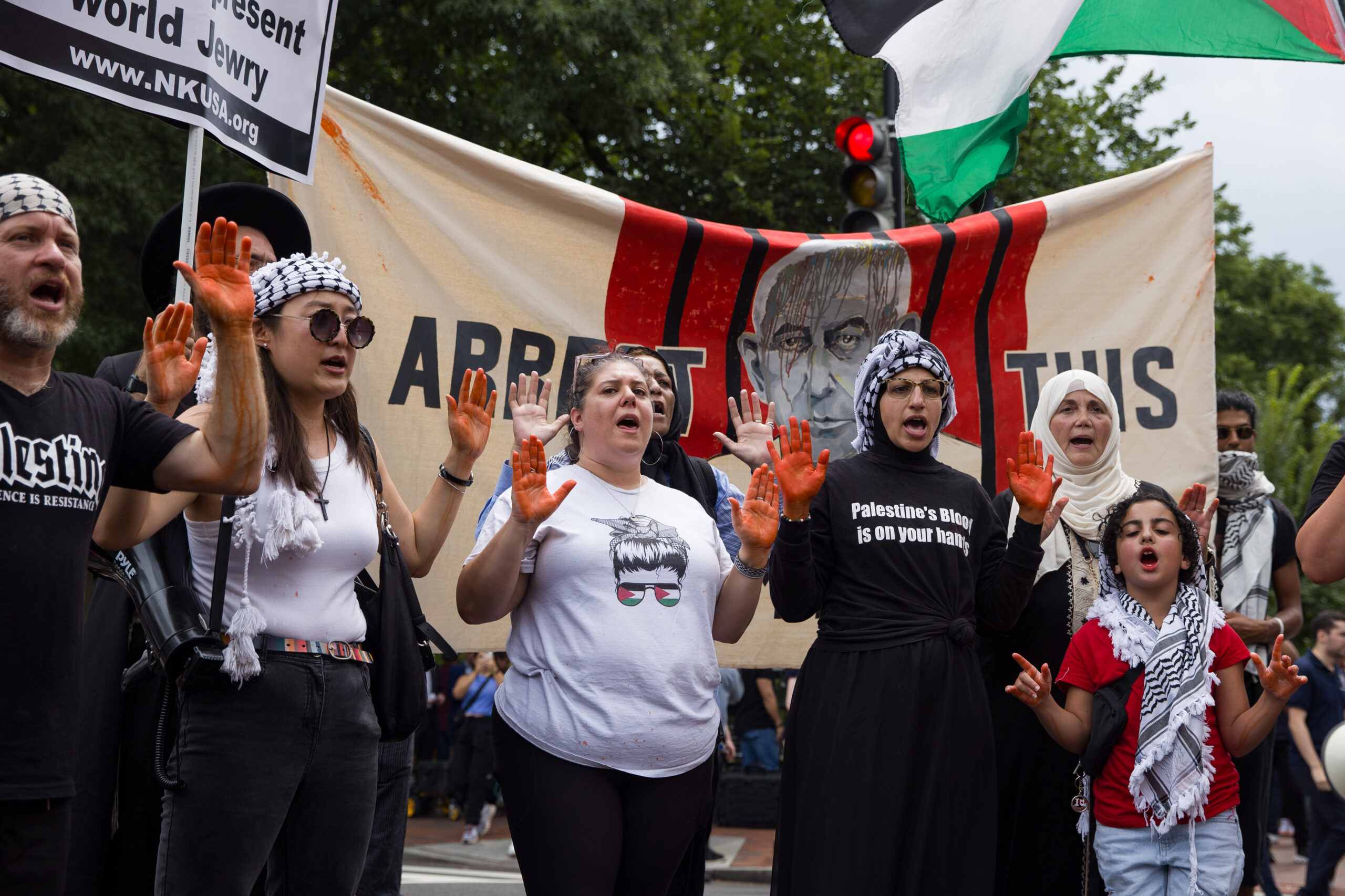
The findings reinforce a trend that political analysts and diplomats have increasingly identified in recent years: younger generations, shaped by social media, digital activism and exposure to images from conflict zones, are adopting markedly different perspectives on Israel than their parents and grandparents.
This generational shift may have long-term consequences, particularly as younger voters become a larger share of electorates across Western democracies.
The survey also highlights growing ideological divisions.
In almost every high-income democracy surveyed, respondents on the political left were substantially more likely to express negative views of Israel than those on the right.
The divide was particularly stark in the US.
Among American liberals, 83% reported an unfavourable opinion of Israel. Among conservatives, that figure stood at 37%.
Large ideological gaps were also recorded in Australia, Canada, Sweden, Spain, Italy, the Netherlands and Greece.
In several of these countries, more than nine in ten respondents identifying with the political left expressed negative views of Israel.
The data suggests that attitudes towards Israel have become increasingly intertwined with broader cultural and political debates about nationalism, military intervention, human rights and international law.
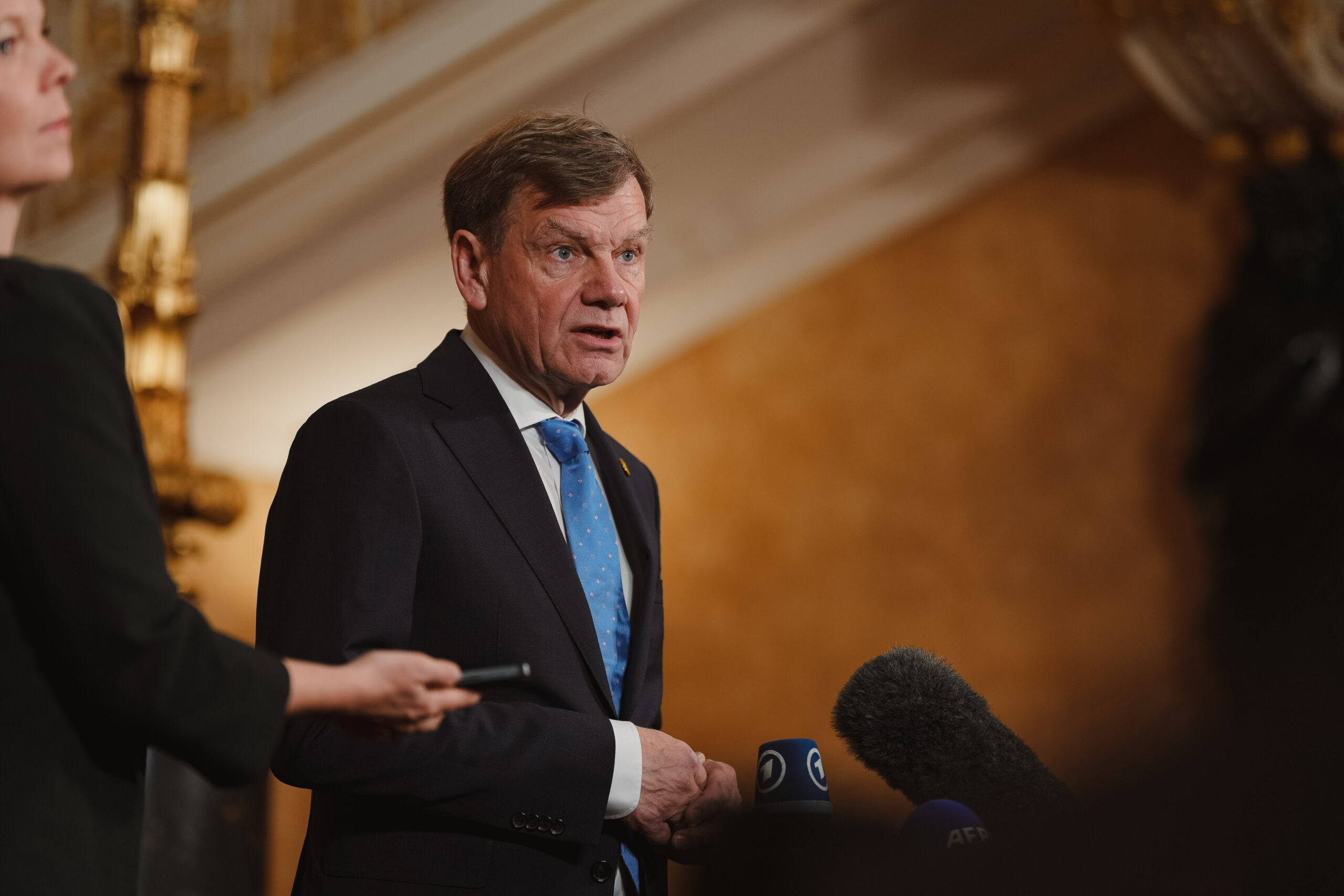
Alongside declining views of Israel itself, confidence in Prime Minister Benjamin Netanyahu has fallen to exceptionally low levels.
Majorities in most countries surveyed said they had little or no confidence in Netanyahu to do the right thing in world affairs.
In many countries, outright rejection rather than mere scepticism was the dominant response.
More than half of respondents in Britain, Canada, France, Germany, Italy, Spain, Sweden, Turkey, Malaysia, Pakistan, Indonesia, Bangladesh and the Netherlands said they had no confidence at all in the Israeli leader.
Among Palestinians in the West Bank and East Jerusalem, confidence was virtually non-existent.
Only two countries surveyed — Kenya and the Philippines — recorded majority confidence in Netanyahu.
The findings indicate that opposition to Netanyahu has become significantly broader than criticism from traditional geopolitical rivals or regional adversaries.
Pew’s trend data shows confidence in Netanyahu worsening in 13 countries since 2025.
South Korea recorded the largest increase in distrust, with the proportion expressing little or no confidence rising from 64% to 76% in a single year.
Italy experienced one of the sharpest increases in outright rejection. In 2025, 45% of Italians said they had no confidence at all in Netanyahu. By 2026, that figure had climbed to 62%.
Similar trends were observed across North America, Europe and parts of Asia.
As with views of Israel generally, younger respondents and those identifying with the political left were significantly more likely to reject Netanyahu’s leadership.
In countries including Australia, Canada, Greece, Spain, the Netherlands and the US, left-wing respondents were at least 25 percentage points more likely than those on the right to express no confidence whatsoever in the Israeli prime minister.
The findings present a significant challenge for Israel’s government and its allies.
Military power and diplomatic alliances remain central pillars of Israeli security policy, but the survey points to a growing deficit in international public opinion.
Soft power, the ability to shape perceptions, influence narratives and maintain moral credibility abroad, appears to have weakened substantially.
While governments may continue to support Israel diplomatically or militarily, the data suggests that public opinion in many countries is moving in the opposite direction.
The trend is particularly significant in democratic societies, where public attitudes can eventually influence electoral politics, foreign policy debates, media coverage and international partnerships.
Whether these views prove temporary or represent a lasting realignment remains uncertain. What is clear, however, is that Israel enters the second half of 2026 facing one of the most serious global image crises in its modern history.
The Pew findings reveal not simply dissatisfaction with a particular military campaign or political leader, but a broader and increasingly widespread deterioration in how Israel is perceived around the world.