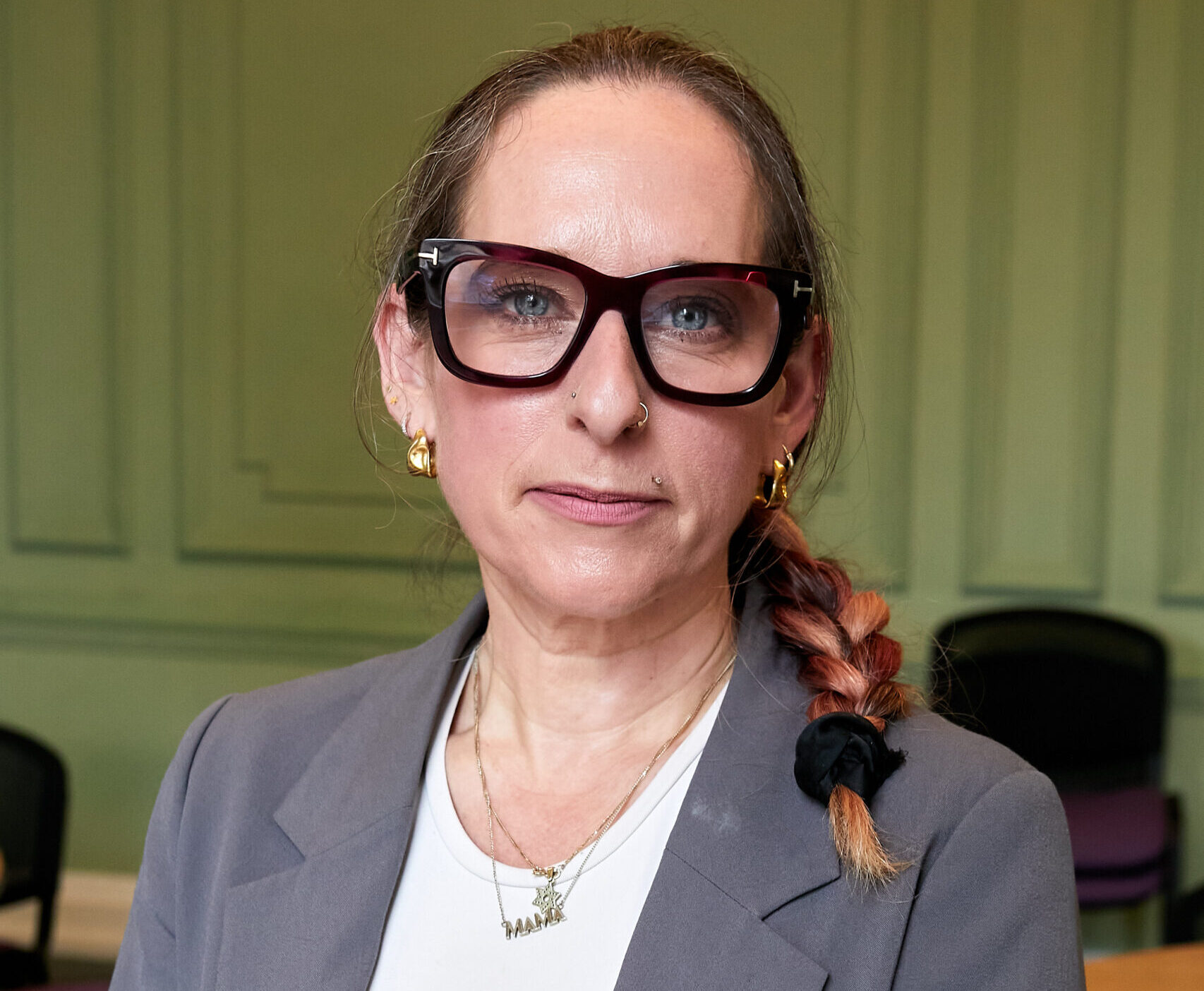
Rabbi Charley Baginsky, Co-Lead of Progressive Judaism
As a rabbi, I spend much of my time thinking about what it means to build communities, increasingly that has been about how to make our members feel safe. Not simply physically safe, although the importance of that cannot be underestimated, but safe enough to be themselves.
That is why I read the recent report Understanding Anti-Muslim Hostility: Foundations for Action with a sense of dreadful recognition. The findings are sobering with more than half of British Muslims reporting experiencing prejudice in the past year and significant numbers reporting feeling less safe in public spaces. Yet, what struck me was not simply the scale of anti-Muslim hostility, it was how familiar many of the experiences felt.
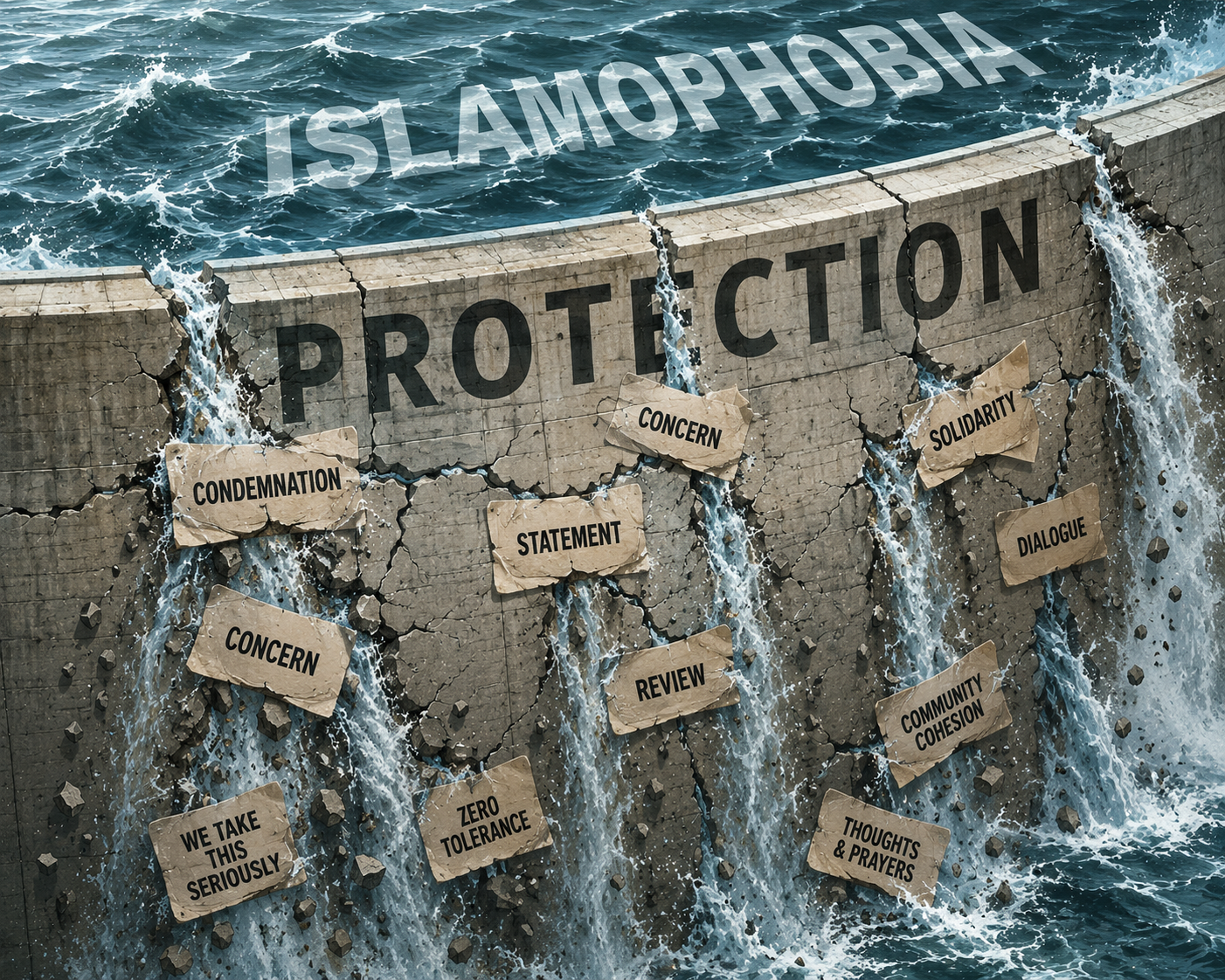
There is a strange fatigue to public conversation right now, every expression of concern is interrogated – why speak about this and not that? Why these victims and not those victims? Why now? Why not sooner?
Too often, compassion has become a test of consistency rather than an act of humanity, every statement is examined for what it omits and every expression of solidarity becomes evidence in an argument. We seem increasingly interested in auditing one another’s responses rather than responding to the suffering itself. If I am honest, sometimes it becomes tempting to stop speaking altogether, but history tells us silence carries its own danger.
When hatred becomes normalised, people adjust themselves around it even if they rarely announce that they are doing so. Instead, it happens quietly, a necklace is tucked beneath a shirt or a route home changes, or someone decides not to attend an event after all and as parents we have conversations with children that we never imagined needing to have. Many British Muslims know this reality; many British Jews know it too.
People are frightened, not everybody and not all the time, but enough people that we should be paying attention.
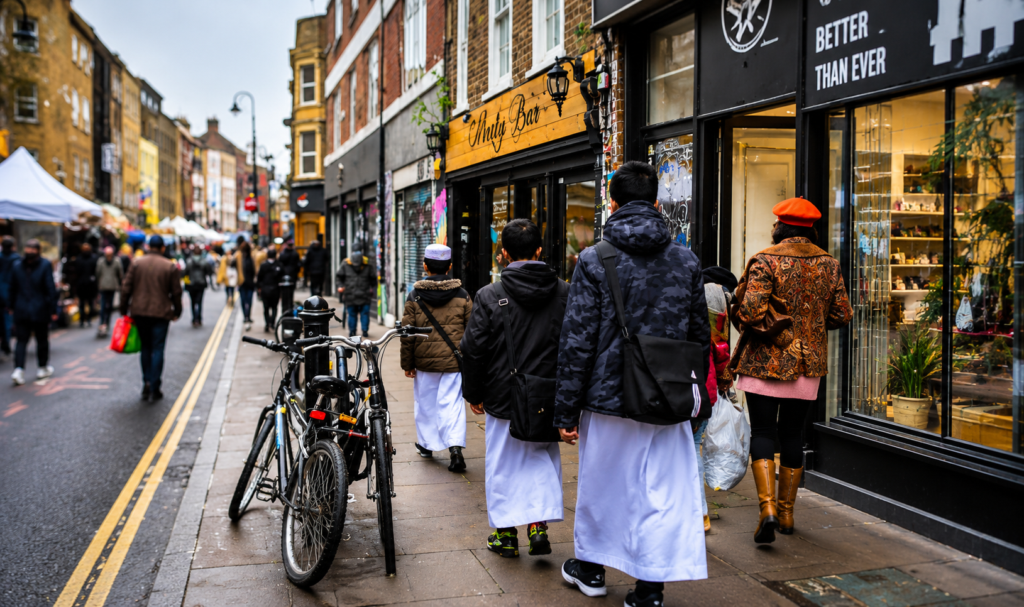
Every person should be able to walk down the street without fear because of who they are. Every family should be able to enter a mosque, synagogue, church or temple without wondering whether it might be targeted. The fact that this even needs saying should concern us all. The damage caused by prejudice is not only the incident itself, it is what happens afterwards – the second thoughts, the calculations, the decision not to wear something, not to say something or not to attend something, because it suddenly feels easier not to.
The Qur’an teaches that humanity was created into “nations and tribes so that you may know one another”. Jewish tradition teaches that every human being is created b’tzelem Elohim, in the image of God. Both begin from the same conviction: that difference is not a threat to be managed but part of what it means to be human.
I have sat in countless meetings where people congratulate themselves because the right people are around the table and representation matters, however, the harder question is whether people feel able to speak as themselves once they are there.
For many people of faith, religion is not a hobby or a private preference, instead it shapes how we raise children, care for neighbours, mark loss and make sense of joy. Yet public life often treats faith as something that should be carefully moderated before entering the room. That matters because prejudice is rarely only about hostility, more often it is about who feels comfortable, who feels visible and who feels that they belong.
This is also why allyship matters, not because we all agree – we do not and not because our histories are identical – they are not, but because a decent society requires us to care about one another’s fears even when they are not our own.
British Muslims and British Jews do not share the same story, but both communities know something about what it means to feel watched, scrutinised or misunderstood and both know what happens when people are treated as symbols rather than as neighbours. The real test of a society is not how it treats communities when they are thriving and uncontroversial, rather it is how it responds when those communities are frightened, vulnerable or under pressure.
The opposite of prejudice is not simply the absence of hatred, it is knowing that you can walk into public life, into your place of worship, your workplace, your school or your neighbourhood, as your full self and know that you belong.
That should not be the aspiration of Muslims and Jews alone, it should be the aspiration of Britain itself.