Europe Correspondent
A leading academic has issued a stark warning at the UN that Islamophobia across Europe is being fuelled by a “lack of political will” and driven not by the public, but by those in power.
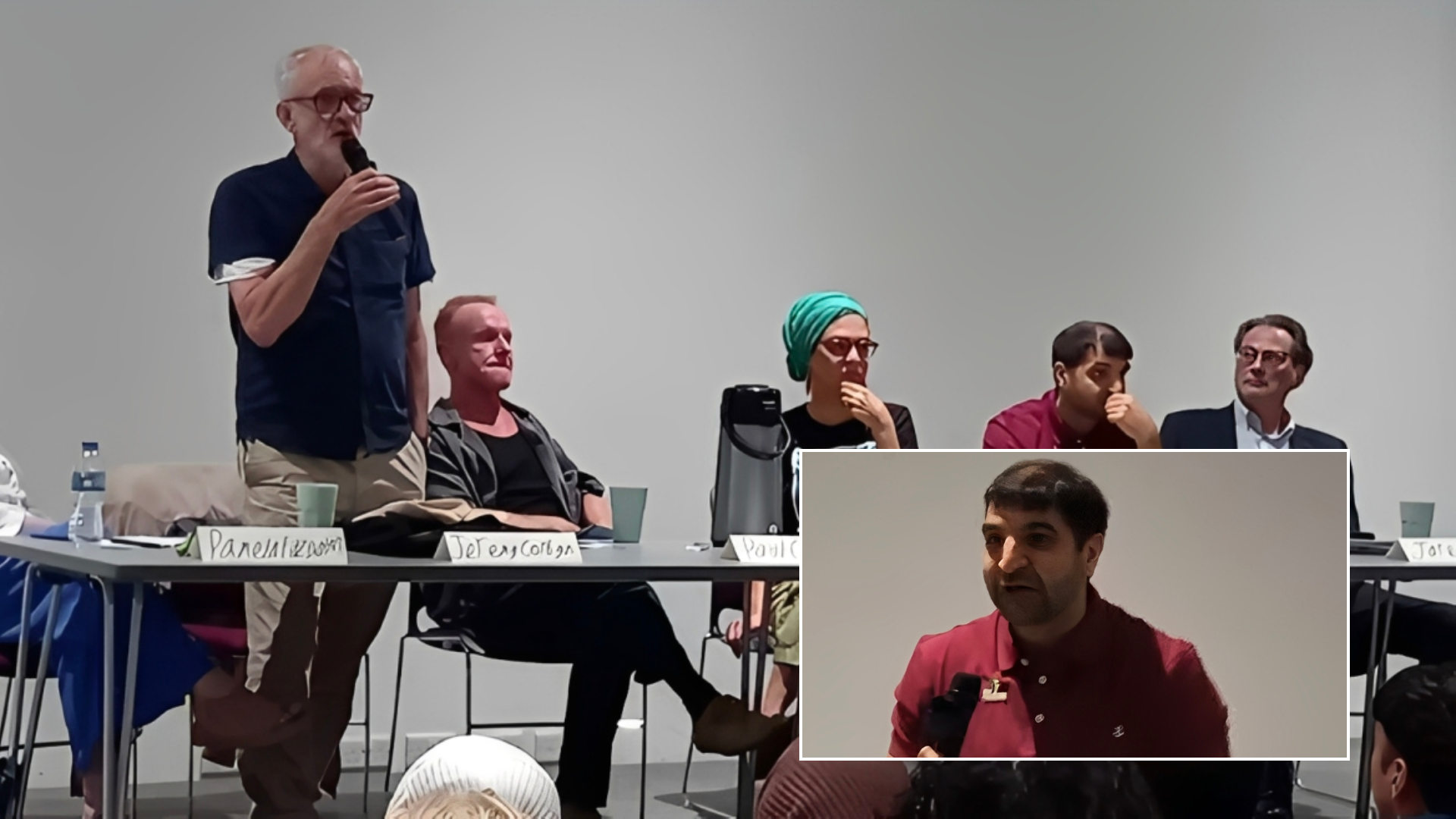
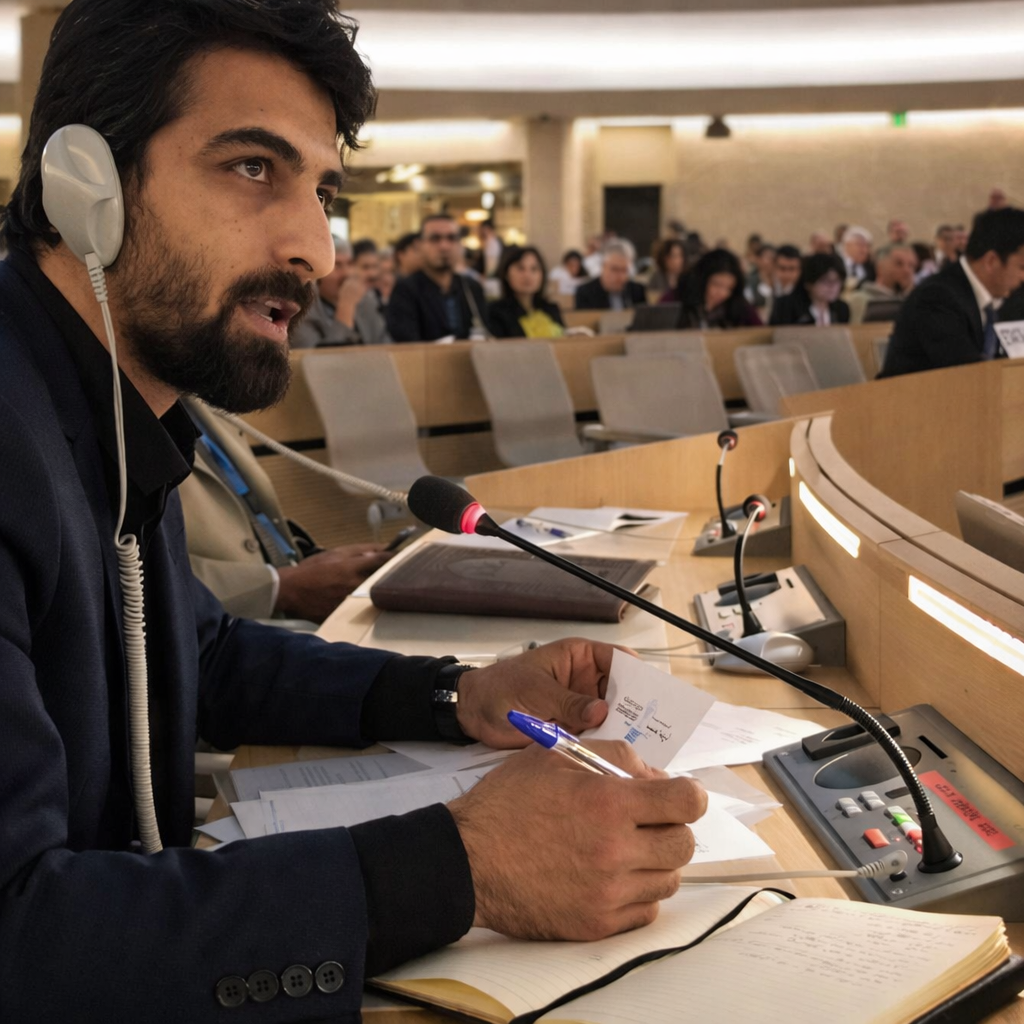
The intervention came on March 24 in Geneva at the UN Human Rights Council, where Professor Enes Bayraklı and other international experts gathered to raise alarm over what they described as a growing and under-recognised wave of anti-Muslim racism.
Speaking at a panel organised by COJEP International, Bayraklı warned that Islamophobia in Europe is not simply a social issue, but a political one, shaped and driven by elites.
“What we are facing is anti-Muslim racism,” he said, arguing that many European leaders deliberately avoid using the term Islamophobia.
Instead, politicians increasingly opt for softer phrases such as “anti-Muslim hate” — something he said fails to reflect the true scale and systemic nature of the problem.
The discussion highlighted mounting concern that rising anti-Muslim hostility is not being met with an effective policy response, largely due to a lack of political recognition at the highest levels.
Bayraklı warned that failing to properly name Islamophobia is a major barrier to tackling it.
He argued that political reluctance to acknowledge the issue has allowed anti-Muslim rhetoric to become more normalised in public discourse, with far-right narratives increasingly shaping debate and policy across parts of Europe.
While there have been some steps forward, including the UN’s designation of March 15 as the International Day to Combat Islamophobia, progress remains limited.
Bayraklı pointed to the appointment of coordinators at EU and Council of Europe level, but said their impact has been weak without meaningful political backing.
He also highlighted a serious lack of reliable data.
According to studies, only 12% of Muslims report Islamophobic incidents to authorities, often due to fear of further victimisation or lack of awareness about reporting mechanisms.
The debate comes amid growing concern within the UN that anti-Muslim hate speech and discrimination are on the rise globally.
Experts warned that such rhetoric, particularly when amplified by political figures, risks fuelling wider discrimination and even violence.
Bayraklı delivered a blunt message to delegates: without clear political recognition of Islamophobia as a form of racism, governments will struggle to implement effective policies or national action plans.
The panel’s conclusions underline a widening concern, that despite growing evidence of anti-Muslim discrimination, Europe’s response remains fragmented and insufficient, held back by reluctance at the very top.
Feature photo: Professor Enes Bayraklı speaks at the UN Human Rights Council in Geneva on March 24, warning that Islamophobia in Europe is being fuelled by political elites and a lack of political will, rather than by public sentiment (Credit: Perspektif/CC)