Home Affairs Correspondent
A Brighton woman accused of sending “persistent” emails about the war in Gaza has been cleared after the prosecution collapsed in court, in a case that began following a complaint made through her MP’s office.
The woman, identified in court documents only as CK had been due to stand trial at a magistrates’ court on June 15 under section 127 of the Communications Act 2003.
The case centred on emails sent last summer to senior politicians, including the Prime Minister and Foreign Secretary, in which she raised concerns about Israel’s military campaign in Gaza. The correspondence also referenced the situation faced by humanitarian volunteers attempting to deliver aid during Israel’s blockade, and was copied to ministers including Keir Starmer and others.
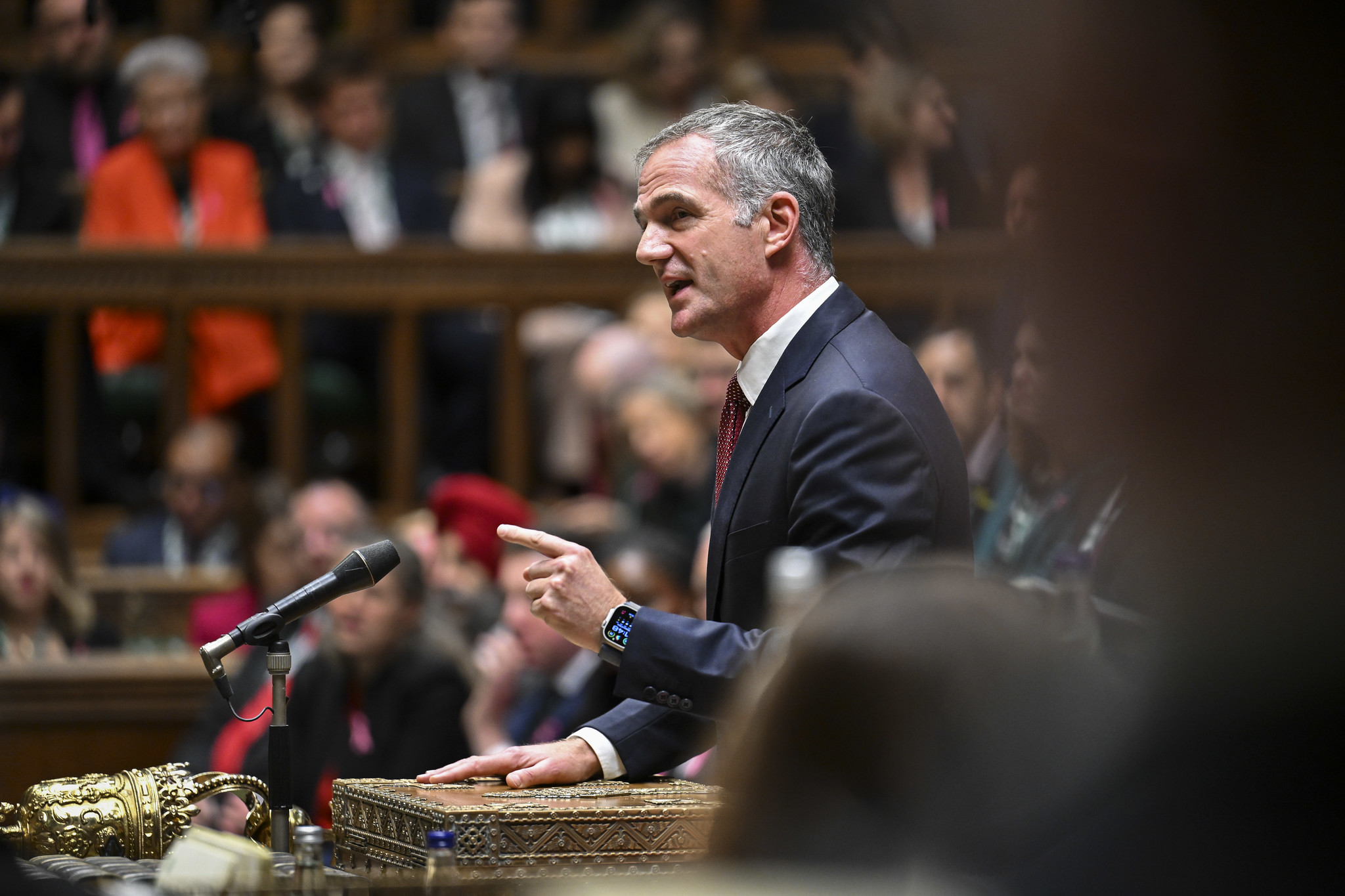
A complaint was later submitted via the constituency office of her MP, Peter Kyle, which led to police involvement.
According to defence lawyers at Doughty Street Chambers, the case centred on emails sent on June 10 and 11, 2025 to senior politicians raising concerns about Gaza. By June 17, the office of Peter Kyle had alerted police, which ultimately led to CK’s arrest in the early hours of the morning, at around 4.33am.
Following the complaint, Sussex Police attended CK’s home in the early hours, where she was arrested at around 4am, detained, and later charged with alleged “persistent misuse of a communication system to cause annoyance, inconvenience or needless anxiety”.
The charge related to emails sent on June 10 and 11, 2025 to senior politicians, including the Prime Minister, Foreign Secretary, and her local MP. Prosecutors later attempted to broaden the case to include additional emails sent between June 12 and 16, 2025, but those applications, along with a request for an adjournment, were refused by the Chief Magistrate.
According to a defence bulletin from Doughty Street Chambers, prosecutors also sought on the day of trial to amend the charge to include further emails, but the court rejected both the amendment and adjournment requests. The defence argued that the emails did not amount to “persistent” conduct, were not intended to cause annoyance, and were protected political expression under Article 10(1) of the Human Rights Act 1998.
On the day of the hearing, prosecutors offered no evidence. With nothing formally put before the court, the case was dismissed and no conviction was recorded.
Some reports have suggested that costs were awarded against the prosecution, although this has not been officially confirmed.
The case has since prompted wider discussion about the policing of political correspondence relating to Gaza, with critics warning of a potential chilling effect on free expression. Others argue that repeated unsolicited emails to elected representatives can, in some circumstances, cross into harassment or misuse of communications systems.
Among those commenting was NHS doctor Rahmeh Aladwan, who said the case reflected growing sensitivity in the UK around speech concerning Gaza and Israel. She is currently facing separate criminal proceedings relating to her own social media posts about Gaza and Israel, which she denies.
She said the case highlighted what she described as a “chilling effect” on speech about Gaza, arguing that political expression on the conflict is increasingly being escalated into police matters. She also said scrutiny of Gaza-related speech is affecting both professionals and members of the public who speak publicly about the war, and has previously described legal action against her as a “campaign of harassment”, allegations which remain subject to ongoing proceedings.
In extended accounts of the case, CK was also quoted as saying the prosecution amounted to “lawfare” and arguing it was brought in response to her political expression about Gaza. She said her emails reflected her “absolute disgust and horror” at events in Gaza and the Middle East, criticised UK government policy, and said officials had “supported and assisted Israel” throughout the conflict.
She further argued that legal action of this kind risks suppressing dissent and undermining freedom of expression, calling for continued attention to the situation in Palestine and the humanitarian impact of the war.
The case ultimately collapsed when prosecutors offered no evidence, resulting in dismissal of the charge and no conviction being recorded.