Harun Nasrullah
Indian police had arrested three people in connection with the lynching of two Muslim men in West Bengal on October 12, while seven others had been arrested in a separate case involving suspected cattle theft, raising questions about the investigation into the killings and whether those who mobilised the mob were being held accountable.
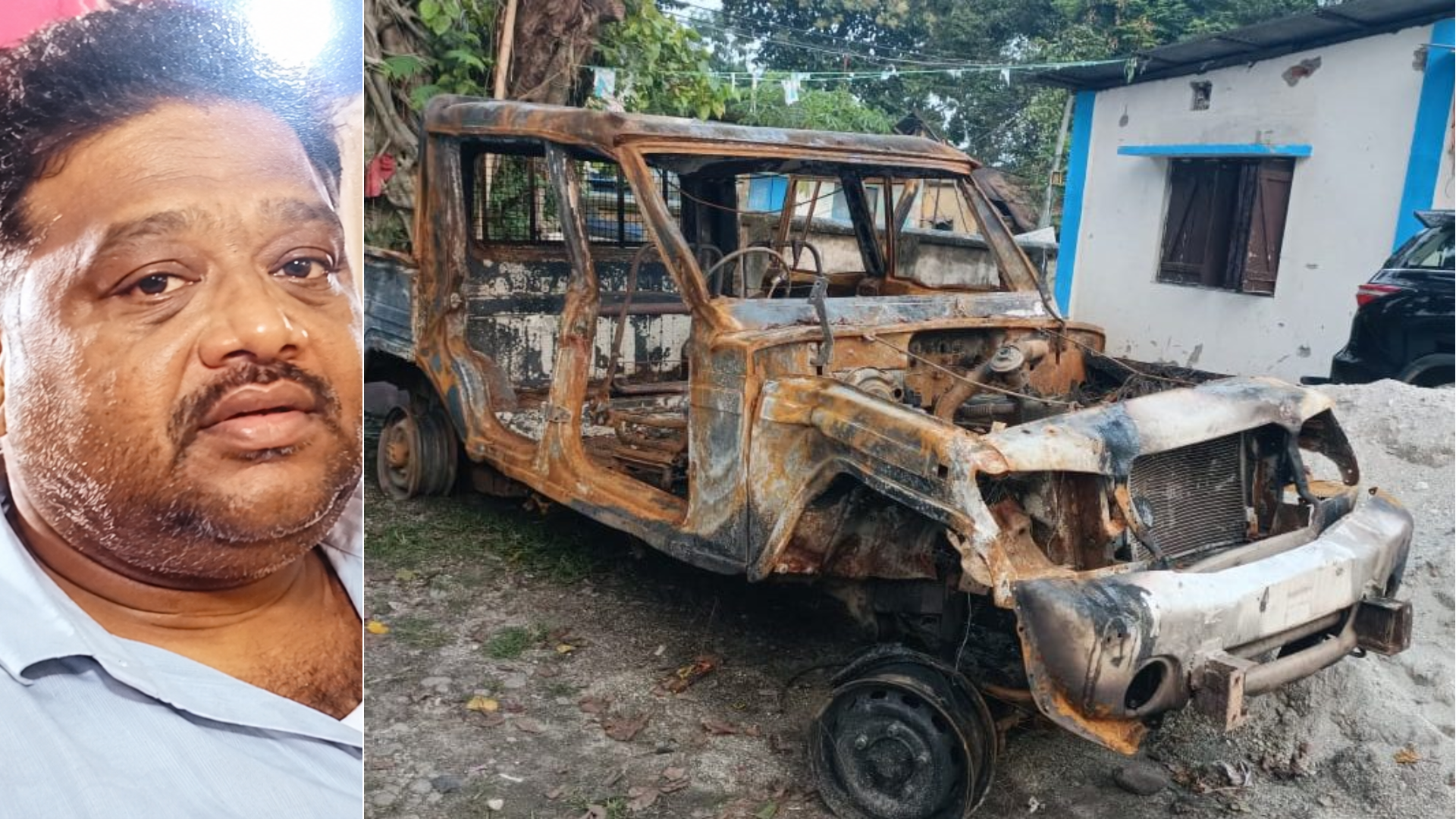
An investigation published by The Wire on October 16 reported that nobody had been charged with organising the mob or arrested over the burning of a pickup van and the destruction of another vehicle during the violence near Siliguri on October 3.
The victims were Shahid Akhtar, 37, from Chopra in West Bengal’s Uttar Dinajpur district, and Saad Mohammad, 42, from Haryana. Both were beaten to death after crowds accused men travelling through the area of cattle theft or smuggling.
The violence began in the early hours of October 3, after a message circulated warning that suspected cattle thieves had entered the area near Tarabari, close to the Balason River. By around 2am, several hundred people had reportedly gathered, with tractors positioned across the road.
According to The Wire, a pickup van carrying seven men was attacked before Akhtar and Mohammad arrived in another vehicle. The two were reportedly assaulted after trying to explain that the men being targeted were not cattle thieves. Akhtar was killed and the pickup van set on fire, while Mohammad later died of his injuries at North Bengal Medical College and Hospital in Siliguri.
Several other men were injured in attacks spanning areas covered by Matigara, Bagdogra and Panighata police stations. Police registered a case over the deaths and injuries, while Akhtar’s wife, Razia Sultana, filed a complaint seeking action against those responsible for her husband’s killing.
On October 4, police arrested seven people in connection with suspected cattle theft. According to the report, the group included survivors of the attacks and others who had entered an army area before being handed over to police.
Rahul Saibo was arrested on October 6 in connection with the mob assault, following Sultana’s complaint, and produced before a court in Siliguri. By October 12, three people had been arrested in connection with the killings, The Wire reported.
The cattle-theft allegations had not been established. No cattle were found with the men, according to The Wire, which documented conflicting accounts of why they were in the area. Police said they were investigating suspected cattle smuggling alongside the circumstances of the deaths. Anirban Majumdar of the Siliguri Police Commissionerate said the investigation would examine the entire incident.
Sultana told The Wire that her husband worked as a driver transporting goods to the hills and Bhutan. Although he had previously transported livestock, she rejected the suggestion that any suspected offence could justify his killing.
“Even if my husband had done something wrong, people could have handed him over to the police,” she said.
She also questioned how such a large crowd had assembled and whether two or three individuals could reasonably be held responsible for an attack involving so many people.
The investigation raised further questions about how the crowd was mobilised and whether deleted social media footage could help identify those involved.
Residents told The Wire that a message circulated around midnight warning that suspected cattle thieves had entered the area and urging people to stop them. Footage of the assault was subsequently shared on social media, reportedly attracting attention from neighbouring areas before posts and recordings were removed.
A social media post attributed to a Bajrang Dal worker in Bagdogra referred to suspected cattle smugglers being monitored by the organisation and said people were venting their anger on them. The post, which included footage of the violence, was later deleted. The Wire reported that Bajrang Dal had not issued an official statement on the incident.
Local teacher Vishal Rai told the publication that he had filmed and uploaded footage before deleting it several hours later because it had “created many problems”. Residents also described other posts celebrating the punishment of alleged thieves being removed.
Police had not publicly explained whether they had recovered the footage or established who organised the crowd. Witnesses gave differing accounts of how the mob assembled, who was present and why the men were targeted.
A forensic team from the Jalpaiguri Regional Forensic Science Laboratory examined the Tarabari and Dhimal locations on October 6 and collected evidence. Police said the findings would assist the investigation.
The killings have renewed concerns over mob violence in India linked to allegations of cattle theft, cow slaughter and cattle transportation, in which Muslims have been among those targeted. The investigation into the killings and the separate cattle-theft allegations remained ongoing, with questions over the organisation of the mob and accountability for the deaths still unanswered.