Midnight Adams
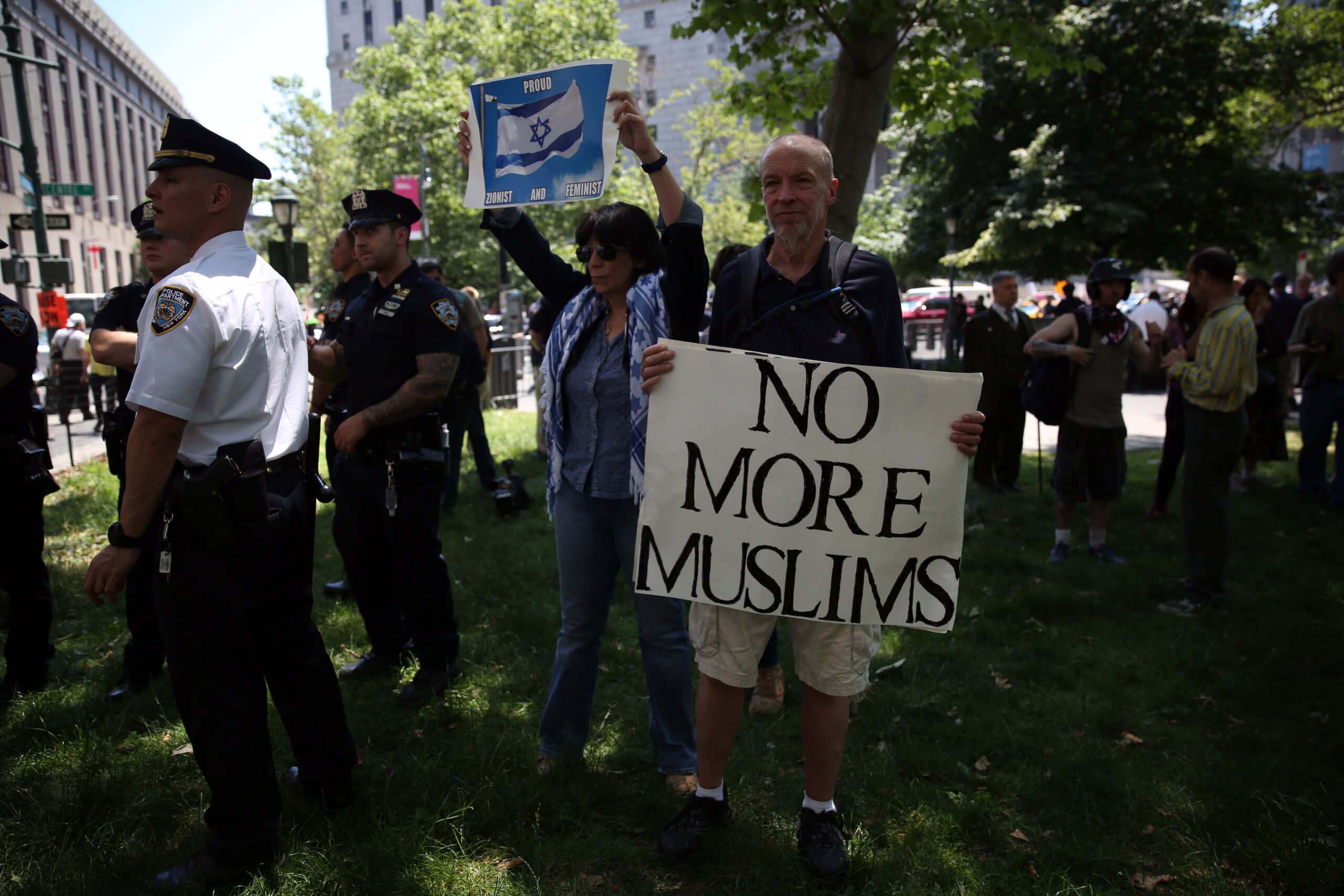
Anti-Islamic hate crimes have increased by 32% in the U.S. since 2022, cites a recent study by the University of Maryland. The study also found that only 57% of the population viewed Muslims positively.
The University of Maryland Critical Issues Poll (CIP) has recently published the results of their three-year study into prejudice towards Jews and Muslims compared to other racial, religious and ethnic groups.
According to the study, 53% of Americans believe prejudice against both Jewish and Muslim Americans has increased compared with five years ago. This mirrors the FBI’s findings, which noted a 12% rise in anti-Arab hate crimes between 2022 and 2025, as well as a 29% increase in anti-Jewish incidents.
Significantly, it found that the majority of younger Americans (those aged 18-34) viewed Muslims favourably – at 65% of those surveyed – while fewer young Americans viewed Jewish people favourable when compared to older Americans.
Many younger Americans attributed this to ongoing geopolitics, and critical perspectives towards Israel as an influence on their attitudes towards both groups.
While younger voters are increasingly connecting with the Muslim community, the study found that Republican voters remain disproportionately opposed to Muslims – particularly when asked if they would vote for a Muslim presidential candidate.
In fact, opposition to a Muslim presidential candidate was higher than any other minority grouping, with 43% of respondents saying they would not vote for a Muslim presidential candidate, even if they agreed with that candidate’s positions on important issues.
Within Republican voters, this number rose significantly to 72% of voters, while only 18% of Democrat voters acknowledged that they would avoid voting for a Muslim candidate.
Opinions surrounding anti-Semitism and perceptions of Israel also indicated a divide between generations, as well as a shift away from historical perceptions of Israeli policies.
70% of those interviewed believed the label “antisemitic” is used to delegitimize political opponents, and 69% said it is used to delegitimize critics of Israel.
Perspectives towards Zionism and anti-Semitism also appeared to have shifted, with only 30% of those interviewed saying they believed that attitudes against Zionism was equivalent to anti-Semitism.
The Palestinian-Israeli conflict remains a key issue for many, the study reported, with 42% of respondents saying they feel the need to be more careful about what they say when discussing the conflict outside their homes. This compares with just 17% who felt the same way regarding the Russia-Ukraine conflict, indicating that politics and religion may still be influencing perceptions on the war.
But hate crimes against both Jews and Muslims remain at an all time high, with the Council on American-Islamic Relations documenting 8,683 complaints about anti-Muslim discrimination in 2025.
The council also noted “hot-spot states” where discrimination had risen sharply – most notably in Minnesota, which saw a 96% increase in anti-Muslim incidents from 2024 to 2025.
Beyond religion, the report also looked at perceptions of other minority groups. While perceived prejudice against Black and Asian Americans declined, the report found that prejudice against Latino Americans rose to 48% in 2026.
While minority groups across the U.S. are struggling with discrimination and prejudice, this survey joins many others in demonstrating that Muslims continue to bear the brunt of the abuse and alienation.