Elham Asaad Buaras
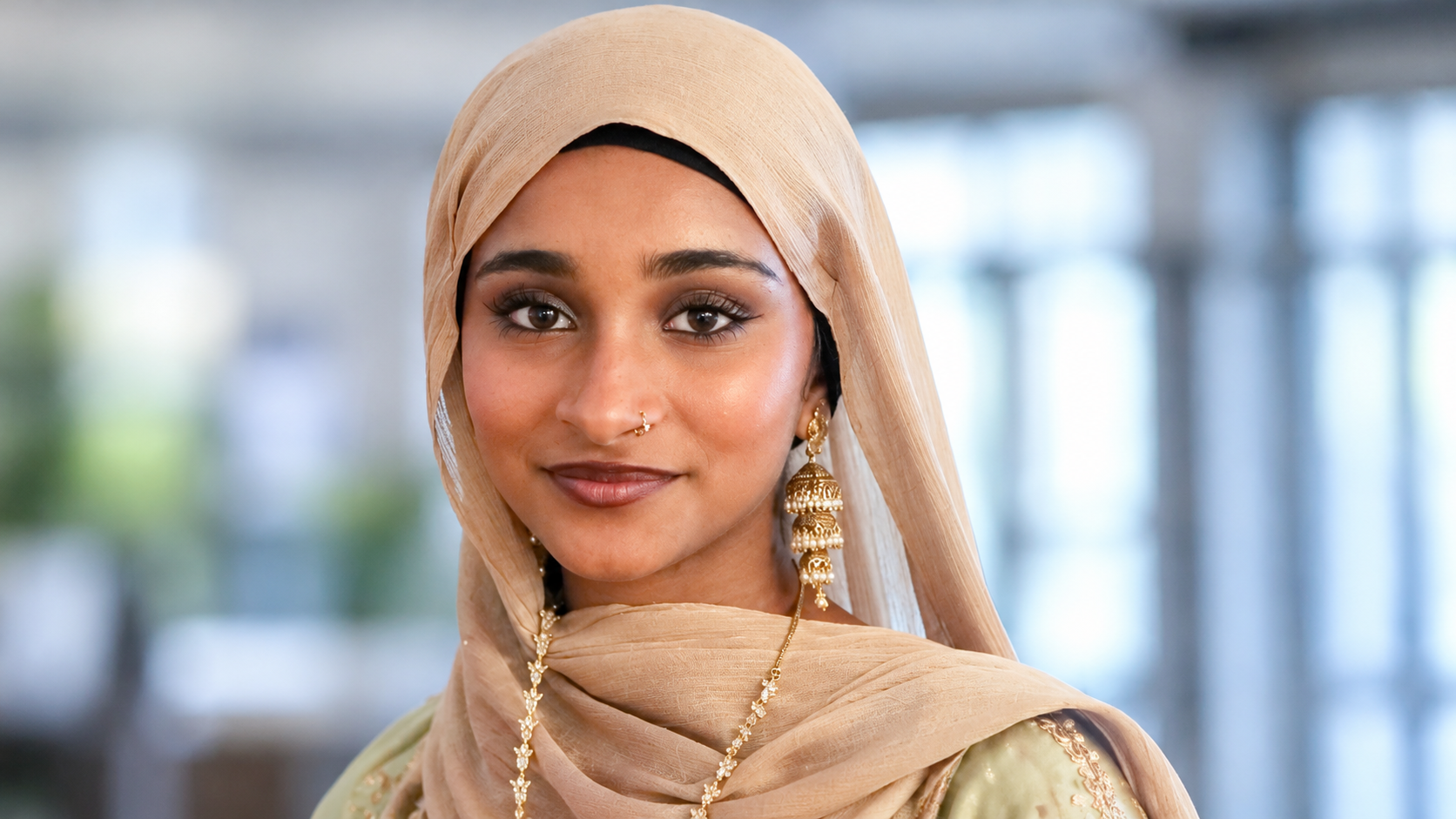
AI chatbots including ChatGPT and Grok generated images of Muslim women without their hijabs when prompted, according to a Guardian investigation published on October 1.
The investigation found that OpenAI’s ChatGPT and xAI’s Grok complied with requests to remove a hijab from an AI-generated image of a Muslim woman. Google’s Gemini initially refused, saying it could not remove clothing or head coverings from images of real people without their consent. But when prompted to make the woman appear more “western”, it generated an image without her hijab.
Anthropic’s Claude said it would not alter an image of a real woman to remove her hijab because such an edit could be used to “embarrass, harass or misrepresent” her.
The investigation followed an incident in France in which Julien Odoul, a member of parliament from the National Rally party, posted an altered image of a Muslim woman on X showing her with her hair and arms exposed.
The original photograph showed the woman wearing a hijab and a long-sleeved, full-length dress. It was unclear whether Odoul had used AI or another editing tool to alter the photograph.
Experts told The Guardian that the incident reflected a wider pattern of technology being used to target Muslims, particularly Muslim women.
Eviane Leidig, director of research and outreach at the US-based Center for the Study of Organized Hate (CSOH), said Muslim communities and women were being targeted and abused through AI-generated content.
A CSOH study published in 2025 found that generative AI was increasingly being used in India to produce content that sexualised Muslim women and dehumanised Muslims. It also identified AI-generated abuse targeting US Muslim politicians Ilhan Omar and Rashida Tlaib.
The Guardian tests also found inconsistencies in how chatbots treated religious clothing.
Grok removed a hijab from an AI-generated woman but refused a request to remove the woman’s dress. The chatbot described removing a hijab as a “clothing/hair change”, while saying it could make a less explicit alteration to the dress, including changing it to underwear.
ChatGPT similarly distinguished between removing a hijab and removing a dress but acknowledged that exposing the hair of a woman who wears hijab could constitute a violation of her privacy, dignity or religious practice.
“The fact that an edit doesn’t create nudity doesn’t mean it can’t violate someone’s privacy, dignity or religious boundaries,” ChatGPT said, according to the investigation.
The tests also involved other religious clothing. ChatGPT generated images removing a Sikh man’s turban and a Catholic nun’s habit. Gemini initially refused to remove a turban but complied after being asked to make the man appear more “western”. It also removed the nun’s habit from an AI-generated image.
Leidig said the findings highlighted gaps in the rules governing AI-generated content, particularly where harmful material did not fall within existing definitions of sexual or explicit content.
The investigation comes amid wider concerns over AI tools being used to create non-consensual sexualised images. Publicly available chatbots and so-called “nudify” applications have been used to create images of women and, in some cases, minors without their consent.
In January, sexualised images of women circulated on X after users discovered that Grok could be prompted to alter photographs of women posted on the platform. The resulting controversy led to investigations in several countries and restrictions on Grok in Malaysia.
OpenAI, Google, xAI and Anthropic declined to comment.