Home Affairs Correspondent
Britain’s Jewish communal leadership is facing criticism from other Jewish organisations, rabbis and more than 1,000 British Jews after opposing Government measures restricting trade with Israeli settlements in the occupied West Bank.
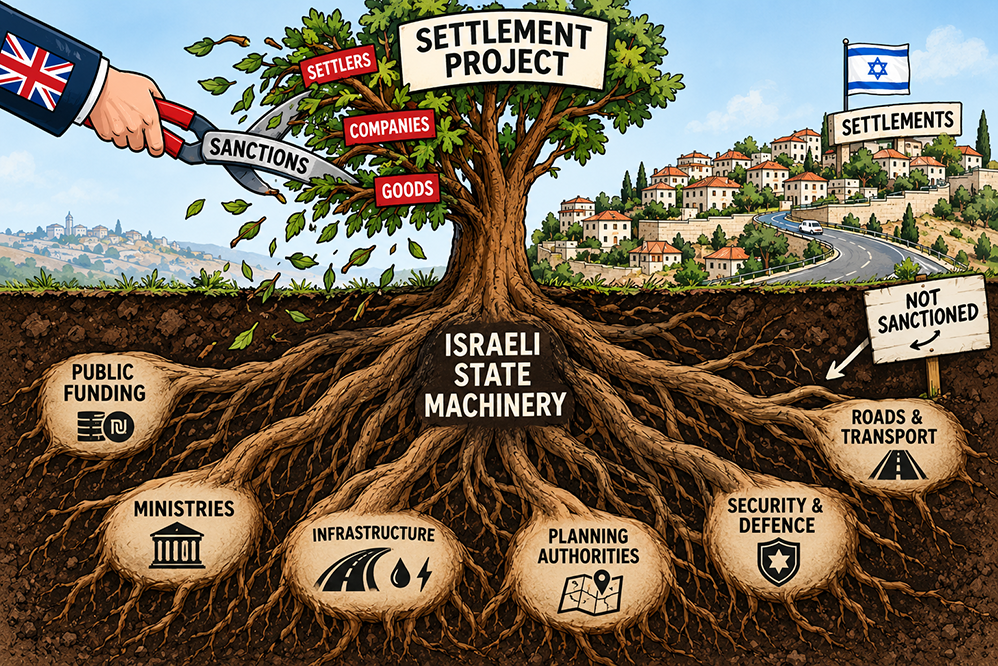
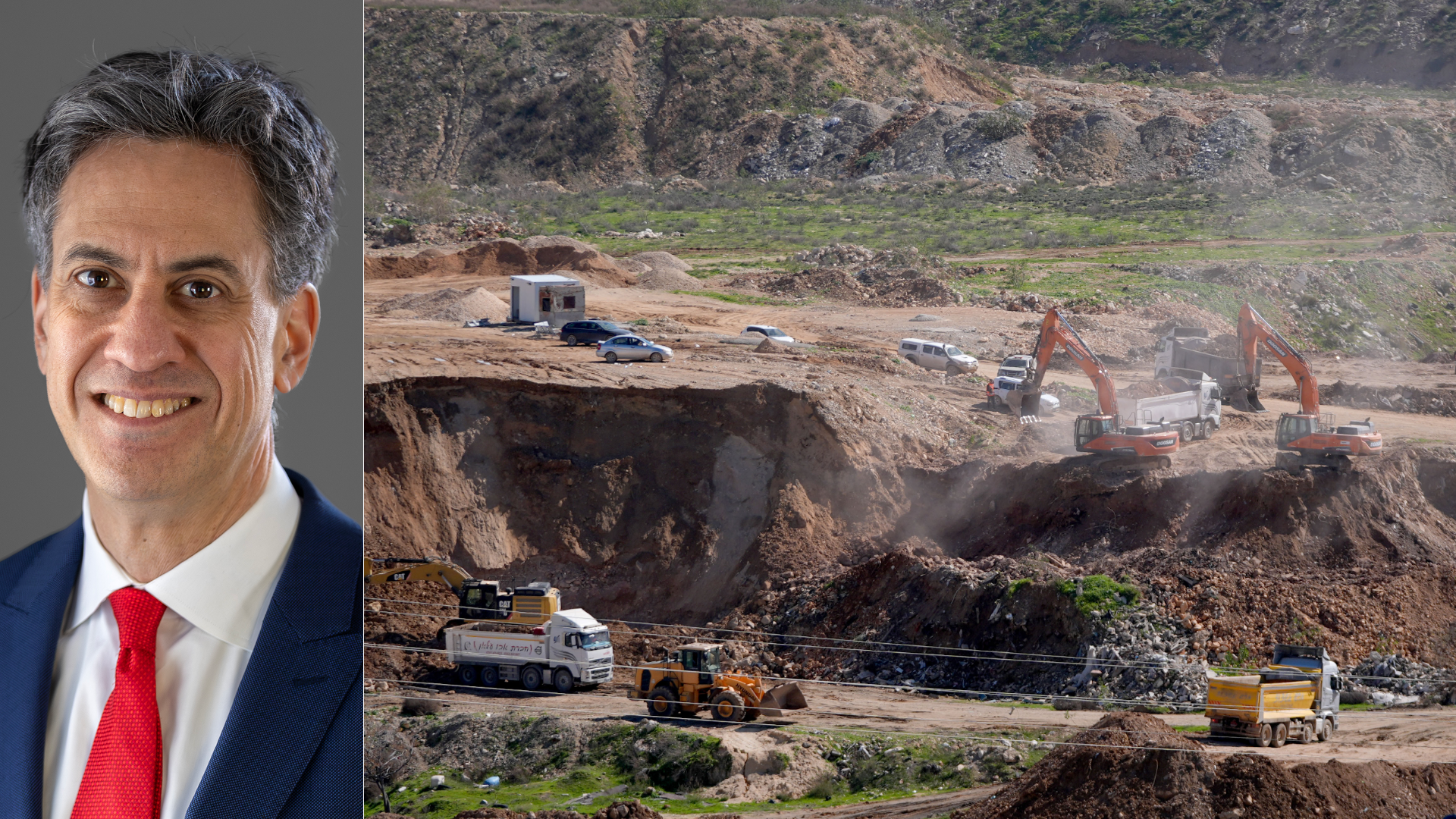
The Government announced the measures on September 8, banning trade in goods from Israeli settlements and introducing a sanctions regime targeting individuals and companies supporting settlement activity. The move followed Israel’s approval of plans for more than 1,200 housing units in the E1 area of the occupied West Bank.
The Jewish Leadership Council (JLC), Board of Deputies of British Jews and Chief Rabbi Sir Ephraim Mirvis have warned that the measures could damage UK-Israel relations and have wider consequences for British Jews.
But other Jewish organisations and rabbis have welcomed the action, arguing that British Jews should not be conflated with the Israeli Government.
The JLC said it was “deeply concerned” about the Government’s plans and urged ministers to avoid “irreversible steps” that could damage the UK-Israel relationship and have a “harmful impact on the UK Jewish community”.
It said British Jews “overwhelmingly condemn violence by extremist settlers” but warned that measures targeting settlement activity could have “unintended consequences”, including harming the community’s “legitimate connection between British Jews and places of great religious and cultural significance”.
The JLC also warned of “the risk of a wider boycott of Israel”, which it said could give legitimacy to those who reject Israel’s existence while “marginalising and stigmatising British Jews” because of their “close cultural, emotional, and personal ties” to Israel.
The Board of Deputies similarly expressed “deep regret” at the Government’s decision, warning that the measures could damage Britain’s relationship with Israel and affect the Jewish community.
Its President Phil Rosenberg said the community “overwhelmingly condemns violence by extremist settlers” and opposes actions by any party that undermine prospects for peace but warned that the measures could affect British Jews’ connections to places of “great religious and cultural significance”.
He also raised concerns about focusing on the Israeli Government without sufficiently addressing “the actions and responsibility of Palestinian leaders and malign actors in the region”.
Mirvis has argued that the sanctions could be “counter-productive” and threaten the prospect of peace.
Following a meeting with Foreign Secretary Ed Miliband, he said many in the British Jewish community would view the measures with “deep dismay”, amid what he described as unprecedented “vilification of Jews, Judaism and the Jewish State”.
“Given the obvious challenges of defining and implementing such measures,” he warned, “there is a clear danger that they will spiral into a de facto boycott of trade with Israel more broadly”.
Mirvis also said the measures could “disproportionately affect British Jews” because of their “close religious, family, charitable and educational ties to Israel”.
But the Government has rejected the suggestion that sanctions against Israeli settlements amount to action against British Jews.
Asked on BBC Radio 4’s Today programme whether he was saying the Chief Rabbi was wrong, Miliband said: “Yes, I am saying I don’t agree with the Chief Rabbi.”
Miliband, who describes himself as a “proud British Jew”, said anyone who held British Jews responsible for the actions of the Israeli Government was “engaging in antisemitism, pure and simple”.
He said: “Antisemitism is a scourge and an evil … I want Jews, I want people of all faiths and none to feel safe in our country.”
Prime Minister Andy Burnham also stressed that the measures were aimed at government policy rather than Israeli or British Jews.
“The Israeli people are not responsible for the actions of their government. And nor is the Jewish community in the UK,” he said.
The communal leadership’s position has been challenged by more than 1,000 British Jews who signed a letter supporting a ban on trade with Israeli settlements in the West Bank.
The signatories included philanthropist Dame Vivien Duffield, members of major synagogue denominations and 22 rabbis.
Jewish Voice for Liberation described a settlement trade ban as “welcome but inadequate and long overdue”, while senior rabbis from Progressive and Masorti communities have also supported the Government’s action.
Voice of Rabbis, which describes itself as “Jews United Against Zionism”, said: “The real danger to British Jews is this constant conflation of Jews with Israel, a foreign state and its government.”
“British Jews are not responsible for Israel’s actions, and Israel does not represent them,” it said.
Torah Jews challenged Mirvis, asking: “Under what rabbinical authority are you acting, Rabbi Mirvis?”
The organisation accused him of conflating “Jews, Judaism and the Jewish state”.
Chris Doyle, Director of the Council for Arab-British Understanding (CAABU), also rejected the argument that sanctions against settlements could harm British Jews.
“This holds no water as an argument at all. None,” Doyle said.
“Sanctioning not boycotting Israeli settlements (war crimes) should have zero harmful consequences for British Jews. British Jews are British, not Israeli.”
Doyle also rejected suggestions that Palestinian actors were not being sufficiently held to account.
“Factions such as Hamas are sanctioned by the UK,” he said, while pointing to Israel’s “blockades & restrictions of varying types on the entire Palestinian population”.
CAABU said 246 MPs had publicly expressed support for a full UK ban on trade and financial dealings with Israeli settlements.
The House of Commons Library has recorded parliamentary support for measures against settlement activity, including a Bill introduced in June by Liberal Democrat MP Layla Moran to prohibit trade with Israeli settlements.
The Government has said the measures are intended to protect the possibility of a two-state solution, warning that development in E1 could undermine the territorial continuity required for a future Palestinian state.
Israel has rejected the British position and responded to the sanctions by announcing the closure of the British consulate in occupied East Jerusalem and restrictions on British officials and politicians.
The dispute has exposed a growing divide within Britain’s Jewish community over Israel, the occupation and whether British Jewish organisations should speak on behalf of the community in opposing Government action against Israeli settlement activity.
Editorial p2