“The denial of visas for journalists from certain countries, or the rejection of a visa for a coach of a team, as well as single-day visas for specific foreign national teams — this is anathema to what this tournament is supposed to be about”
— Zohran Mamdani, Mayor of New York CityNadine Osman
A wave of visa refusals, airport detentions and entry restrictions has plunged the US World Cup into controversy, with Iraq, Somalia, Palestine, Senegal, Ivory Coast and Iran all reporting serious difficulties entering the country since early June.
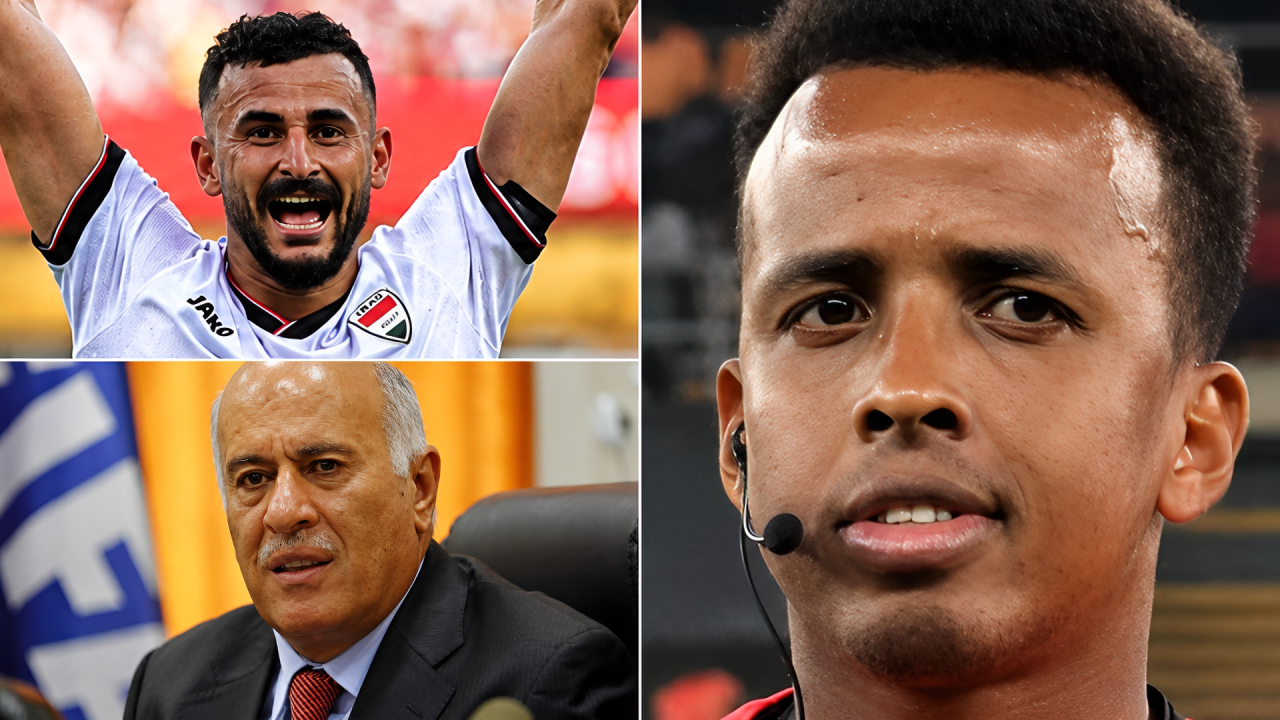
The first disruption came on June 5, when Iraqi international Aymen Hussein was held for seven hours at Chicago O’Hare airport, where officials searched his phone before releasing him. Later that same day, his team’s photographer was detained for more than ten hours and ultimately turned away altogether.
The following morning, Africa’s top referee of 2025, Somalia’s Omar Artan — visa and diplomatic passport in hand — was turned away at Miami International Airport. He had been set to become the first Somali official to referee a World Cup. US authorities cited “vetting concerns”, later claiming the referee had links to “suspected members of terror organisations” an allegation Somali officials strongly rejected. FIFA confirmed his exclusion but declined to intervene, noting that “a host government ultimately determines who receives a visa.” Somali authorities said the decision “undermines football’s commitment to fairness.” Artan said he remained “in a positive mood” and thanked “the football family for their messages.”
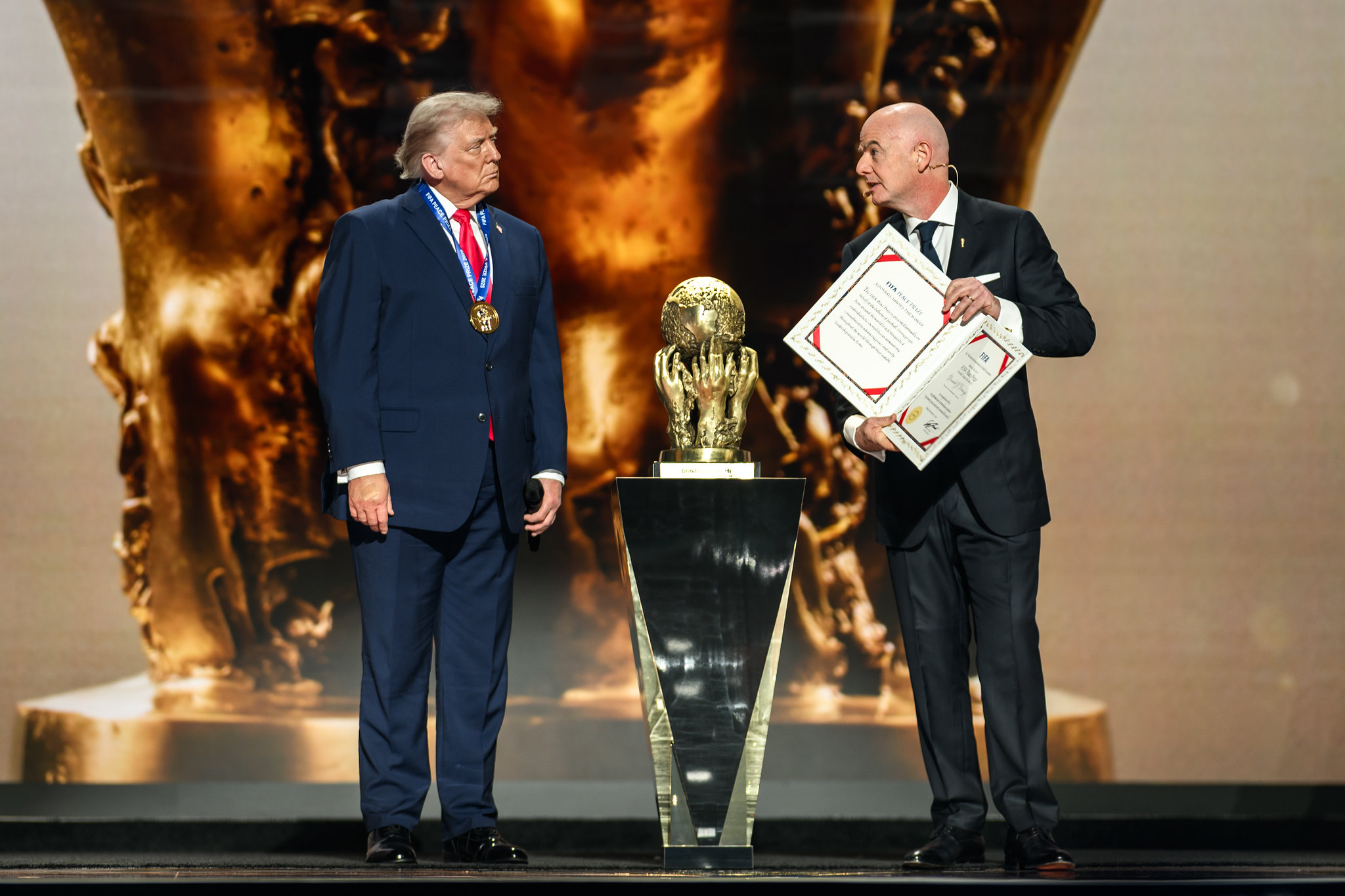
FIFA President Gianni Infantino addressed the case publicly but struck a notably measured tone. “It is unfortunate what happened to Omar, the referee from Somalia, but again we don’t control everything,” he said. “Maybe sometimes it’s good as well to chill, relax.” The remarks drew widespread criticism from human rights groups and football observers who said they reflected an abdication of responsibility by the game’s governing body.
By June 11, the disruption had spread beyond players and officials to fans and administrators. Palestinian FA President Jibril Rajoub revealed he had been unable to secure a visa for World Cup-related events and was left stranded in Mexico awaiting travel clearance.
On the same day, Ivory Coast supporters’ leader Julien Kouadio Adonis said many fans were unable to travel due to visa refusals. “This situation hurts us deeply because it prevents us from fulfilling our sacred duty, which is to support our team,” he said. Senegal’s football authorities later confirmed that no official supporters’ delegation had been able to travel at all after their applications rejected.
New York City Mayor Zohran Mamdani, whose city will host the final, voiced his frustration openly. “The denial of visas for journalists from certain countries, or the rejection of a visa for a coach of a team, as well as single-day visas for specific foreign national teams — this is anathema to what this tournament is supposed to be about,” he said. “If we cannot even allow the players, the teams and the journalists covering those teams to come into this city and this country, then it begs a larger question about our commitment to the spirit of this tournament.”
The incidents have raised concerns among federations about unequal treatment of participating nations and renewed comparisons with Qatar’s 2022 World Cup, when Western media intensely scrutinised the host’s human rights record, labour conditions and governance, prompting fresh questions about double standards.
Journalist Karim Zidan, founder of Sports Politika, asked whether “journalists, fans and watchdogs” would hold the US “to the same standard as Qatar 2022”, warning against what he described as “American exceptionalism” in coverage of the tournament.
Rights groups had already raised alarms before the competition began. Amnesty International warned of a “human rights emergency” in the US and a “chilling threat” to fans and players, calling for assurances that there would be “no ICE presence around venues.” Sports lawyer Khayran Noor said concerns over US immigration enforcement and the treatment of migrant communities were now “playing out in real time.”
Iran has emerged as the main flashpoint. After its June 14 match against New Zealand, players were ordered back to Tijuana despite earlier relocating there after 14 support staff were denied US visas. Coach Amir Ghalenoei called the situation “the most oppressed team in the World Cup,” while captain Mehdi Taremi said the expected “friendliness and global-ness” of the tournament was missing. Midfielder Saeid Ezzatollahi highlighted the impact on staff access, and team supervisor Mahdi Mohammad Nabi pointed to a “lack of coordination.”
The dispute escalated on June 19 when the Iranian Football Federation filed a formal complaint with FIFA, after being told the squad would only be allowed into Los Angeles 24 hours before its match against Belgium despite repeated requests for earlier access. Officials said the restriction was “inconsistent with the principle of providing equal conditions for all participating teams” and was forcing repeated cross-border travel around fixtures.
US authorities have pushed back, saying visa decisions are based on individual security screening and describing Iran’s arrangements as a “mutually agreed safety measure.” President Trump, when asked about the disputes, said his administration was working to ensure “the right people” could enter the country, a comment that did little to ease concerns among affected delegations.