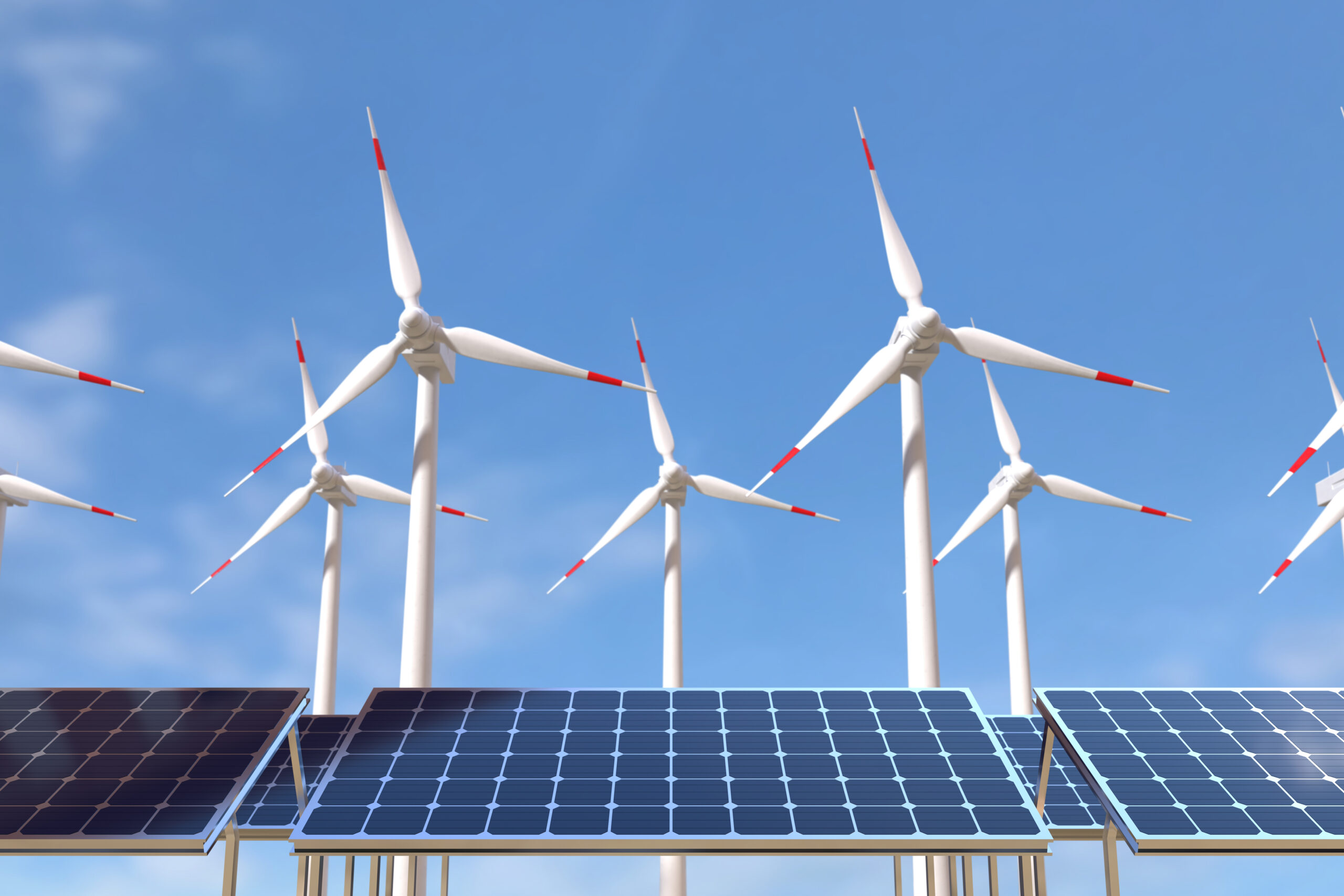
Greenpeace UK has released an analysis examining how the UK’s £13.3 billion in fossil fuel subsidies could have funded renewable energy infrastructure for schools and hospitals, job retraining for North Sea oil workers, or improved insulation for millions of homes.
The report notes that, during a period of record-setting profits for oil companies following the US and Israeli strikes on Iran and the resulting price shocks, “In a single four-week window this spring, the combined market value of Shell, TotalEnergies, BP, Equinor, and Harbour Energy surged by £73.5 billion.”
These record-setting profits, combined with the UK government’s stated commitment to the renewable energy transition and the phaseout of fossil fuel use, could raise questions about whether such tax incentives remain necessary. The Muslim News spoke with Rudy Schulkind, political campaigner at Greenpeace UK, who worked on the study and believes that “these comparisons are the most powerful way to bring the statistics to life for the public.”
One issue related to the energy transition that concerns the public is what will happen to the skilled fossil fuel workers as the sector is phased out. Jobs for North Sea oil workers have been declining for years, and trade unions have offered a plan to the government to create unionized renewable energy positions for those displaced by the transition. Greenpeace UK’s analysis found that the £13.3 billion in tax incentives “could have fully funded seven years of support for North Sea workers to securely transition to renewable industries,” including job creation, renewable infrastructure investment, and a job training fund for workers displaced by the fossil fuel industry’s phaseout.
The UK has been investing in renewable energy for years, and in 2025 renewables supplied more of the UK’s energy than any other source. However, in the same year, gas use also increased. The transition increased electricity demand through increased uptake of electric vehicles and heat pump use. Despite significant investments into the renewable sector, much of the UK’s energy infrastructure still relies on fossil fuels.
Given that the UK government has signed onto legally binding commitments to phase out fossil fuel use and is part of the Coalition on Phasing Out Fossil Fuel Incentives Including Subsidies (COFFIS), The Muslim News asked Schulkind whether there was a legal avenue to hold the UK government accountable for the fossil fuel tax breaks. He responded that the legal definition of a subsidy and whether these incentives would qualify as such could likely be contested in court. Clean Energy Wire recently reported that COFFIS progress has lagged, with countries needing to agree on a clear definition of what constitutes a fossil fuel subsidy and then submit their plan of how to phase them out. So far, the Netherlands is the only COFFIS member to submit a plan, and that was after recalculating its fossil fuel subsidies in 2023 and finding that they were around ten times higher than originally stated.
On the UK government website explaining the fossil fuel incentives and subsidies, it states, “In March 2021, the UK adopted a government-wide policy to no longer provide any new direct financial or promotional support for the fossil fuel energy sector overseas, except in limited circumstances, prioritising its support for the clean energy transition. These exceptions are tightly defined and include support for energy access, clean cooking, and national security.”
National security can be interpreted broadly. The government appears to argue that its incentives scheme helps respond to geopolitical crises and prevent energy bills from becoming unaffordable for consumers. However, consumers continue to struggle with high energy prices. Schulkind argues that “what is actually going to improve energy security and affordability—it is clearer than ever—is that the answer lies in solar, wind, other forms of renewable energy, and storage, rather than doubling down on fossil fuels … because when it becomes a question of cost, renewables increasingly are going to win.”
Image Magnific/CCSarah Sakeena Marshall, Consultant, Writer, Editor, Climate Change, National Security