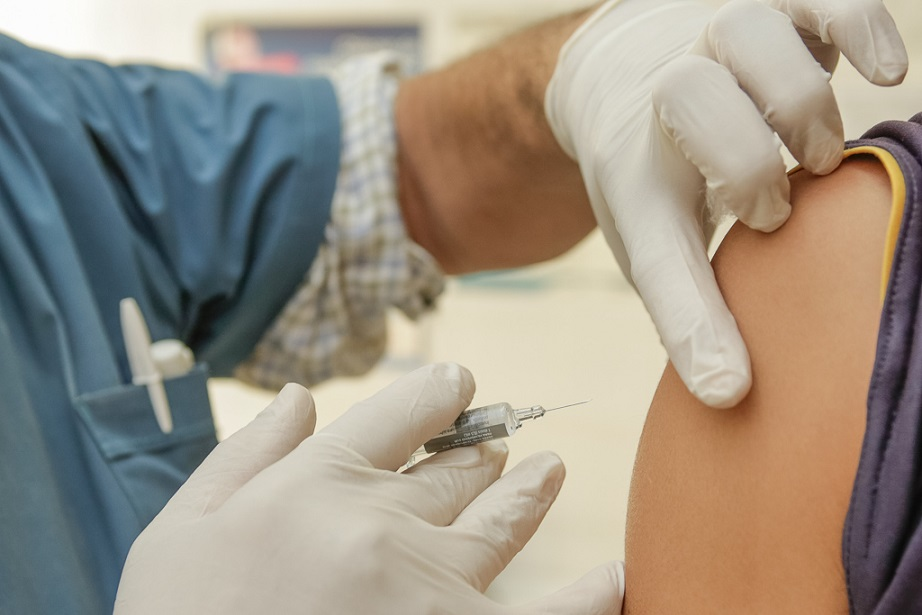
Due to growing concerns following several clusters of meningitis B cases earlier this year among students and young people, the Government has decided to launch a one- off vaccine programme aimed at students aged 18–25 years. The two-dose vaccine will be offered to students in Year 13, and students aged 18–25heading off to university for the first time this autumn.
It is expected up to a million young people in the UK will be offered the vaccine to help protect against meningitis B. The vaccine programme is in response to the UK’s largest meningitis B outbreak that occurred in Kent earlier this year and two further ‘unusual’ clusters in Weymouth and Reading. Health experts say the vaccine is aimed at those considered at “highest immediate risk” from meningitis B.
Meningitis is caused by either a viral or bacterial infection of the protective membranes (called meninges) that surround the brain and spinal cord. Viral meningitis usually gets better on its own and rarely causes long term issues. Bacterial meningitis is rarer but more serious, it can lead to the infection spreading and causing blood poisoning (septicaemia), sepsis and can affect the brain. Bacterial meningitis can be very serious if not treated quickly with antibiotics and can be fatal. It can potentially affect anyone but is more common in babies, young children, teenagers and young adults.
There are different strains of meningococcal bacteria that cause meningitis and septicaemia. Meningitis B is currently the most common cause of bacterial meningitis in the UK. Meningitis C was previously a major cause of meningitis in the 1990s but is now rare in the UK due to the introduction of the MenC vaccine in 1999. Meningitis W caused a major outbreak between 2013 and 2016, but is now much better controlled due to the introduction of the MenACWY vaccine (routinely offered to teenagers at 14 years of age). This vaccine also covers Meningitis Y.
Parents should note that whilst their children may have had the MenACWY vaccine this does not cover Meningitis B.
Early symptoms of meningitis B are similar to, and often mistaken for, flu.
Symptoms may include fever, headache, nausea, tiredness, cold hands and feet, pale, blotchy or mottled skin, sensitivity to light, a stiff neck, a non-blanching rash (see glass test below), and confusion.
Meningitis can be associated with a rash that appears as tiny red or purple dots that do not fade when pressed with a glass. The ‘glass test’ can be used to determine if it is a non-blanching rash. Press on the rash with a clear drinking glass to see if it changes, if the rash does not fade or change colour this could be an indication it is meningitis and you should seek medical advice or go to your hospital’s A&E. Note that rashes can be harder to see on people with darker skin tones.
Meningitis B spreads through close contact and sharing drinks, cups, vapes, etc. Students moving to university accommodation are at increased risk due to the shared accommodation, increased socialising and spending time with other housemates/students. Outbreaks can also occasionally happen at schools.
In England the vaccine will be offered in July and August through community pharmacies. Under-25s who are starting university for the first time will be able to book appointments directly with pharmacies, and you do not need to go to the same pharmacy for both jabs. Two doses are required for maximum protection, given at least 28 days apart.
International students under-25 entering their first year of university should receive their first dose before arriving for their studies, where possible, according to the UK Health Security Agency (UKHSA).
Year 13s will be contacted directly through the NHS app, text, email, or letter – depending on health records.
In Wales the vaccine programme will run from July to December. Those aged 17-18 will receive a letter from health boards from early July. Those aged 18 to 25 who are entering higher education will need to contact their health board later in July.
Scotland and Northern Ireland are also set to run a similar programme from July.
Rachel Kayani, Science Tutor and Writer