Elham Asaad Buaras
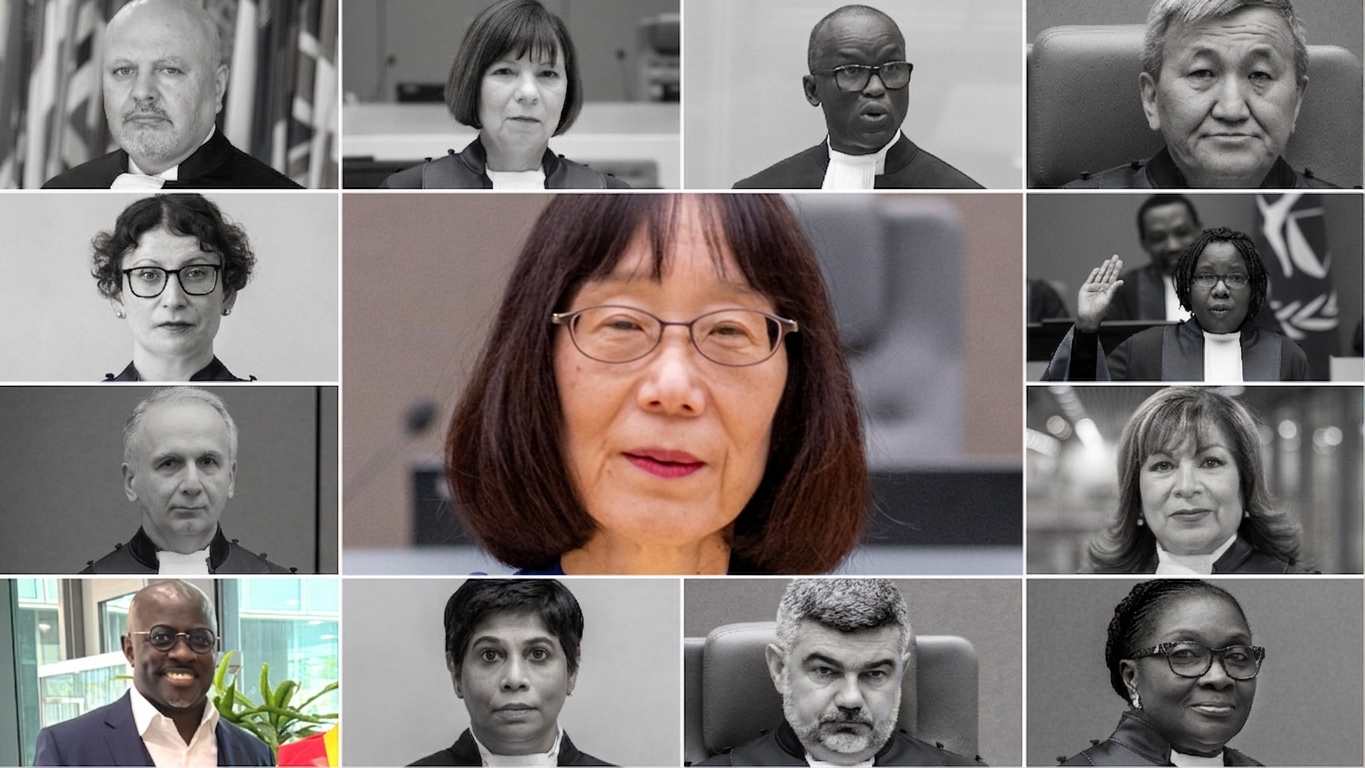
The United States has sanctioned two more International Criminal Court (ICC) officials, taking the number of ICC personnel designated under its current sanctions programme to 13. ICC President Tomoko Akane is now among those targeted over the court’s work involving Israel and Gaza.
The US Treasury Department added Akane, a Japanese national, and senior trial lawyer Abdoulaye Seye, a Senegalese national, to its Specially Designated Nationals (SDN) list. The designations, announced on August 18, block property and financial interests subject to US jurisdiction and bar US persons from transactions with them.
The sanctions were imposed under Executive Order 14203, signed by President Donald Trump on February 6, 2025, establishing the US sanctions regime against ICC personnel.
The action follows the ICC’s decision in November 2024 to issue arrest warrants for Israeli Prime Minister Benjamin Netanyahu and former Defence Minister Yoav Gallant over alleged war crimes and crimes against humanity in Gaza. Israel rejects the allegations and the court’s jurisdiction. Neither the United States nor Israel is party to the Rome Statute, which established the ICC.
US Secretary of State Marco Rubio accused Akane and Seye of taking part in ICC efforts to investigate, arrest, detain or prosecute officials from countries that had not accepted the court’s jurisdiction. The Trump administration has repeatedly objected to the ICC pursuing US and Israeli nationals.
The first designation under the current programme was former ICC Prosecutor Karim Khan in February 2025. Judges, deputy prosecutors and other court officials were subsequently sanctioned in June, August and December 2025.
Japan criticised the sanctions against Akane, calling them “very unfortunate” and reaffirming its support for the ICC and international legal standards.
Akane became the ICC’s sixth president in 2024 and the first Japanese national to hold the post. She has defended the court’s independence and said sanctions would not affect how its judges interpret their mandate.
Seye, a Senegalese national, has also been placed under US sanctions.
The designations are financial measures, not criminal convictions. They restrict property and financial interests subject to US jurisdiction and prohibit US persons from conducting transactions with those designated.
Washington has also used the same ICC-related sanctions framework against Francesca Paola Albanese, the UN Special Rapporteur about human rights in the Palestinian territories occupied since 1967.
Albanese, an Italian national, was added to the Treasury’s SDN list on July 9, 2025, under the ICC-EO14203 programme, although she is not an ICC official. She was removed from the list on May 20, 2026.
The ICC has 125 states parties and maintains that it is acting under the Rome Statute to investigate and prosecute genocide, crimes against humanity and war crimes within its jurisdiction.
With Akane now under US sanctions, the measures have reached the court’s sitting president as the dispute between Washington and the ICC over jurisdiction and accountability for alleged crimes involving Israel and Gaza continues.