Midnight Adams, Independent journalist
A new Muslim-centred mental health hub has been launched by The Muslim Council of Britain (MCB) on July 22, becoming what the MCB describes as the first faith-specific online mental health platform of its kind anywhere in the world.
The initiative is entirely free for users, and was launched as part of the MCB’s National Muslim Mental Health Summit, held on July 18 at the University of East London. The summit brought together more than 400 participants, including British Muslim organisations, mental health professionals, policymakers and frontline mental health organisations.
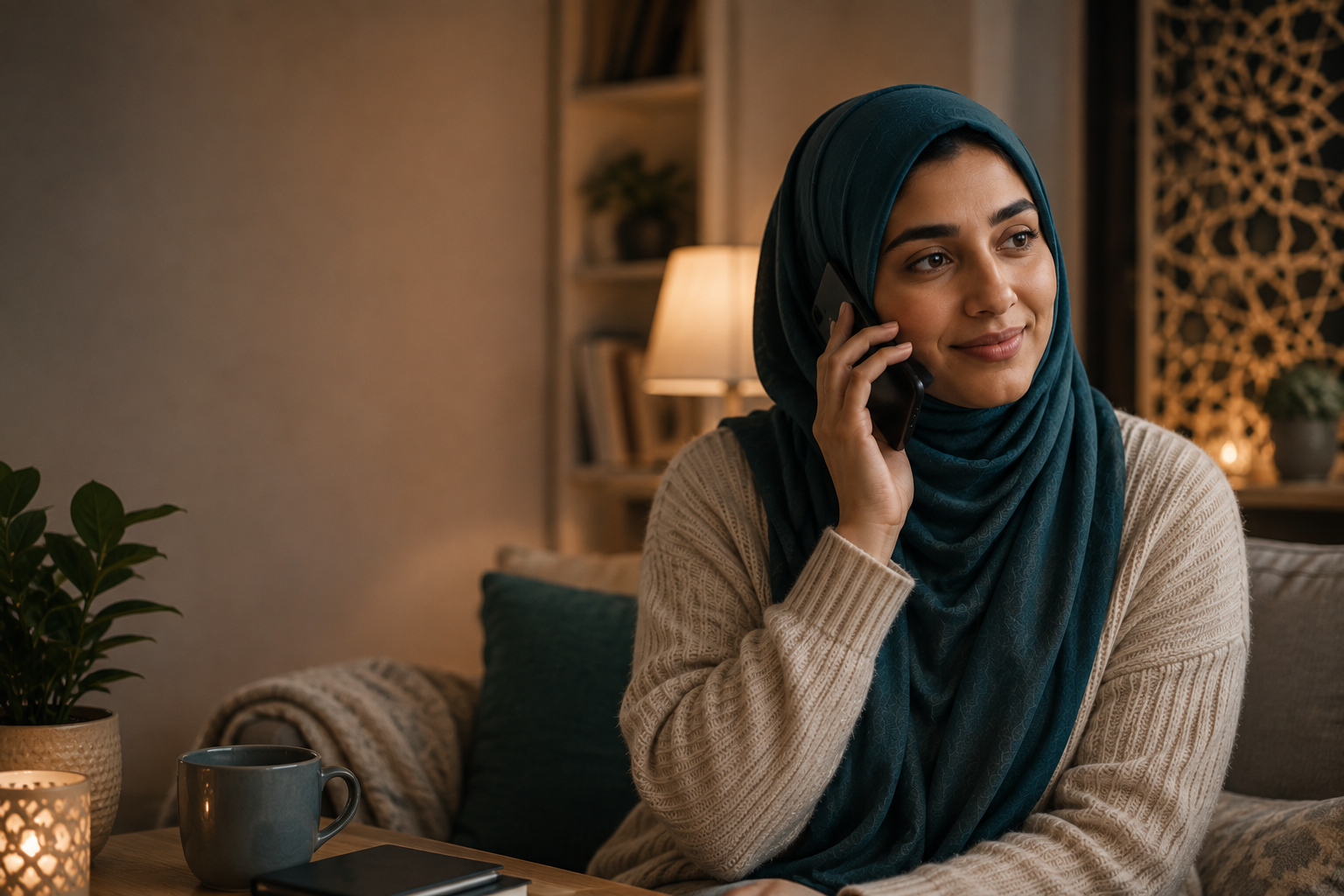
The hub is AI-powered, and designed to tackle what the MCB describes as fragmented mental health resources for Muslims.
The hub combines a national directory of Muslim mental health services with an AI Guided Helper. It features more than 50 verified services across 10 categories.
It employs AI chatbots, with the AI Guided Helper allowing users to describe what they are experiencing in their own words before directing them towards appropriate support. The MCB says the system has dedicated guardrails.
The hub was designed in-house by the MCB’s AI and digital teams, working alongside the organisation’s Secretary General Dr Wajid Akhter.
The MCB says the hub is intended to improve access to services that understand Muslims’ religious and cultural contexts and to make it easier for users to find appropriate support.
The more than 50 verified services are able to provide users with access to Muslim-focused mental health support.
It has been designed to tackle several issues, including the fragmentation of Muslim mental health support, lack of visibility for smaller support organisations, and a lack of resources catering to Muslims’ religious and cultural contexts.
In particular, the initiative aims to tackle Islamic inaccuracies that are being generated by AI platforms. All Qur’anic verses, hadiths and scholarly quotes are verified to avoid inaccuracies, and duas are provided where appropriate to support users.
The MCB says the hub is intended to help normalise conversations around mental health, which can remain a stigma or taboo subject within some Muslim communities.
While the service is neither NHS nor clinically approved, the MCB hopes that it will make it easier for Muslims to open about their mental health and find support from the right services.
The initiative comes amid concerns about access to mental health services among Muslims. According to figures cited by the MCB, only 2.6% of Muslims referred to NHS Talking Therapies in 2021–22 completed treatment. The MCB also says 40% of UK Muslims live in the most deprived local authorities in England, while one in four Muslim households live in overcrowded homes, compared with one in 15 households overall.
The MCB also cited a Muslim Youth Helpline survey of more than 1,000 British Muslims aged 16 to 30, which found that only 13 per cent of respondents with mental health needs had seen a counsellor.
The hub was unveiled alongside discussions at the summit on neurodiversity, funding for Muslim mental health providers, technology, policy solutions and improving access to mental health support.
Speaking at the launch, Dr Akhter said, “As the Mental Health crisis grows, so must our ability to respond to it. We see this hub as a game-changing innovation that should be available in every GP surgery, health trust, mosque and WhatsApp group. We are ready to help other communities and the NHS replicate this more widely.”
The hub can be found online at muslimmentalhealthhub.org.