Kumail Merali
Once every five days, a mosque in the United Kingdom is attacked in 2026, according to a report published by the British Muslim Trust (BMT).
The report, published on October 8, recorded 78 incidents affecting 64 different premises. These offences included acts of vandalism, intimidation, arson and threats of serious violence. Nearly one in five of the affected premises experienced repeated incidents, raising concerns for the safety of Muslim attendees.
BMT Chief Executive, Akeela Ahmed, warned: “Today, a mosque is vulnerable purely because it is a mosque.”
It has been reported that lower-level incidents have seen a recent decline in anti-Muslim attacks being carried out. However, BMT has identified a worrying shift towards more violent methods of Islamophobic acts.
Level 4 incidents, involving threats and sustained harassment, increased from 11.1% to 29.4% of recorded cases between reporting periods. Level 6 incidents, involving serious arson or violence, rose from 3.7% to 19.6%.
The report also highlighted a pattern of sustained harassment and online campaigns dedicated to diminishing Muslim institutions. London, Greater Manchester and the West Midlands were among the areas which were most affected.
The BMT said: “The defining shift across this reporting period is a movement from hate aimed at the mosque itself to hate targeting Muslims inside it.”
In Peacehaven, East Sussex, a mosque was targeted in an arson attack in October 2025, prompting community unrest on a large scale.
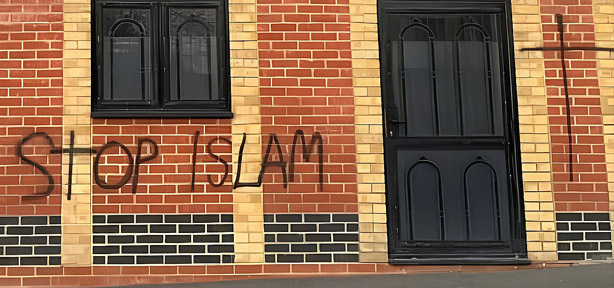
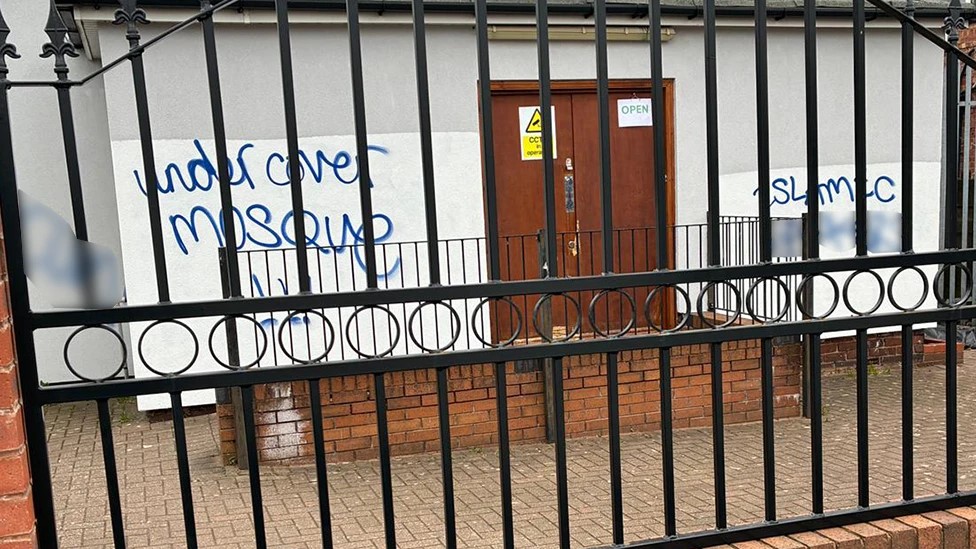
A number of incidents took place in Watford, Hertfordshire, with Masjid Al-Ummah, Imam Hussein Foundation Centre and North Watford Jamia Mosque all facing acts of vandalism within a few days of each other in October 2025. The sites were defaced with graffiti being left, raising a real concern for anti-Muslim targeting.
A suspect was arrested in relation to the incidents, with police forces discovering bladed weapons in his vehicle.
The British Muslim Heritage Centre in Manchester was targeted with religiously motivated graffiti in December 2025.
The above incidents demonstrate how Islamophobic expressions and actions have affected Muslim communities across different regions of Britain.
It is evident that mosques serve not only as places of worship but also as centres for religious education, charitable activities and as a gathering point for the communities who attend the religious programmes.
The targeting of these institutions raises concerns about the safety of attendees who aim to carry out their worship, particularly women and children.
Ahmed said: “British Muslims are under attack due to polarisation that is building and many Muslims are scared to go about their everyday lives.”
The BMT conveyed its worry that the threat supersedes physical damage, with Muslim communities unable to function with the current lack of security and safety.
The Government allocated a sum of up to £40 million for 2026-27 in order to protect mosques, Muslim faith schools and community institutions from dangers such as these attacks.
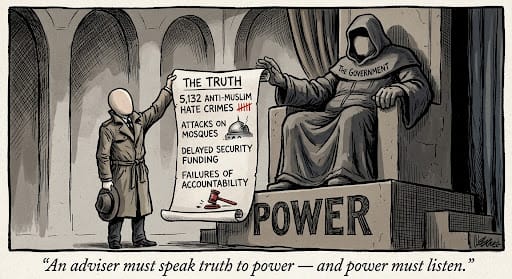
The Protective Security for Mosques Scheme provides measures including surveillance, alarms, fencing and security personnel. However, BMT reported that some mosques were faced with delays of up to 18 months in accessing security funding, while others had applications rejected without explanation.
The BMT criticised the requirement for mosques to demonstrate their vulnerability before receiving funding.
The BMT has urged the UK Government to go further than just providing physical remedies. Instead there has been a plea to address the underlying causes of anti-Muslim acts of hate.
“If we want to bring down the costs for protecting British Muslims in the UK, then we need to reduce the need for protection and address the root causes of hate against Muslim communities,” argued Ahmed.
The Trust concluded by calling for faster access to security funding, greater accountability and stronger government action against religiously motivated hatred, as well as an urge to protect Muslim communities across Britain.