Elham Asaad Buaras
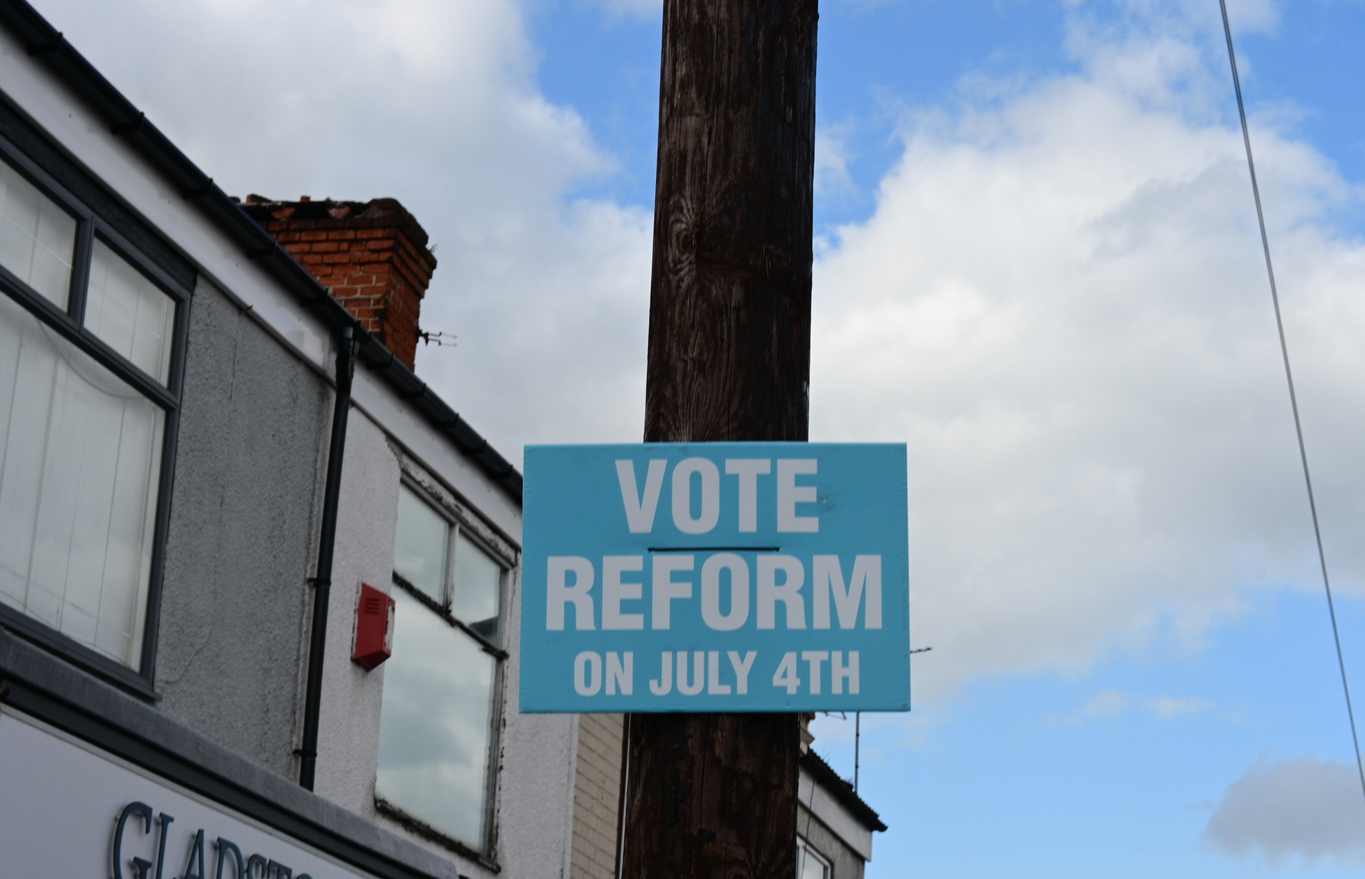
Reform UK has come under renewed scrutiny after an undercover ITV investigation recorded party councillors and activists making racist and anti-Muslim remarks, including one aspiring parliamentary candidate who declared that Muslims could not be British. The revelations came as the party stepped up its campaign to ban the niqab and other full-face coverings in public.
The investigation, broadcast by ITV Exposure, filmed Reform representatives across England and Wales making derogatory comments about Muslims, Asian people and Black children, as well as sexually explicit remarks about women.
In footage published on October 14, Reform councillor Alan Feeney, campaigning in Solihull, described Asian families as “absolute parasites” and said he would refuse to canvass at homes with Asian names.
“If it’s an Asian name, I’m not even knocking at the door,” he said, describing his approach as “Alan’s racist canvassing”.
Feeney also called for Muslims to be forcibly deported to Pakistan and said no more than “one per cent of British population can be non-white”.
Fellow Reform councillor Jamie Campbell suggested buying pork chops and burying them at a proposed mosque site in Castle Bromwich to prevent its construction.
Another councillor, Chris Whelan, made sexually explicit remarks about a female party candidate.
In separate footage, Reform councillor Dean Miller, from Bromley, claimed King Charles was secretly Muslim and called for his beheading, describing him as “f***ing traitorous”.
Miller blamed his remarks on medication for a chronic pain condition. He, Feeney and Whelan subsequently left the party. Feeney cited personal reasons and said he would continue as an independent councillor, while Whelan cited personal and health reasons.
A further report published on October 17 exposed comments by Reform activist Jason Powell, an aspiring parliamentary candidate, who advocated building concentration camps for people arriving in Britain by small boats.
“Build concentration camps, and everyone who comes across the Channel, you’re in there,” Powell told an undercover reporter.
He proposed questioning detainees about their origins and sending them back, adding: “If you don’t tell us, you’re staying here for the rest of your life.”
Powell also declared: “You cannot be a Muslim and British… it’s like oil and water.”
Describing himself as “pretty hardline about Islam”, he added: “If a Muslim’s prepared to de-convert, I’m happy.”
Reform suspended Powell following the revelations.
The investigation also recorded councillors Adam Parkins and David Kerr discussing executions for people convicted of grooming-gang offences.
“If I were fing Prime Minister, I would quite happily do Sunday morning Rose Garden executions of fing rape gangs,” Parkins said.
He later said his comments referred to child rape gangs and that he supported the toughest possible sentences under British law. Kerr did not respond to ITV’s request for comment.
The revelations have raised fresh questions about Reform leader Nigel Farage’s candidate-vetting procedures. In 2024, Farage acknowledged the party had “a few bad apples” but promised they “will be long gone” and would not return to the organisation.
Responding to the latest footage, Reform said: “There is no room for racism in Reform UK.”
The party said it had launched investigations into members, activists and councillors who had “clearly behaved inappropriately”, adding that some had been suspended and that due process must be followed.
It acknowledged that unsuitable individuals could pass its vetting procedures “from time to time”, as could happen in any organisation.
Farage said the party could not “vet people for what they say in the future”. He also suggested some councillors filmed by ITV might have been provoked.
The controversy coincided with Reform’s push for restrictions on face coverings. On October 21, the party led a debate in the Welsh Parliament, the Senedd, under the motion title “Full-face coverings are against British values”.
Reform Senedd member Jason O’Connell said the party wanted to ban coverings used to conceal identities and intimidate the public.
He cited criminals concealing their faces while committing offences, including through the use of balaclavas and illegal e-bikes. Although policing is a reserved matter, O’Connell said Reform would support councils considering restrictions on face coverings.
Ahead of the debate, Reform’s Welsh deputy leader Laura Anne Jones stated the party’s position was “clear: ban the niqab and every other full-face covering in public”.
The Muslim Council of Wales criticised the debate as a “dog-whistle” and warned that it risked fuelling hostility towards Muslims. It said religious freedom was a cornerstone of British values and a cherished Welsh tradition.
The Senedd cannot introduce a general ban through criminal law because policing and criminal law are not devolved to Wales.
Reform’s campaign has also coincided with remarks by senior party figures about Islam, immigration and British identity.
On October 6, Reform Treasury spokesperson Robert Jenrick appeared on a programme hosted by Dan Wootton and agreed with US President Donald Trump’s claim that “this is about Islam wanting to take over a once great country”.
Jenrick said mass migration, multiculturalism and tolerance of what he called “radical Islam” were “destroying Europe”, warning of the “creeping Islamification of the United Kingdom”.
He was reported to police and referred to Prevent over the remarks. The complaints do not constitute findings of wrongdoing. Jenrick denied engaging in anti-Muslim rhetoric, distinguishing his criticism of what he calls radical Islam from Islam as a religion.
Reform home affairs spokesperson Zia Yusuf has also faced scrutiny over comments about English identity and demographic change.
Speaking about former England footballer Ashley Cole, Yusuf said: “In my view Ashley Cole is the best English fullback in history.”
He rejected suggestions that Cole was not English, saying the argument “doesn’t hold water with me”.
Yusuf also said former home secretary Suella Braverman was entitled to her views, while emphasising the importance of listening to white English people concerned about demographic change.