Nadine Osman
Malaysia plans to continue repatriating Myanmar nationals beyond an initial 5,000 people, despite warnings from the UN and human rights organisations that those returned could face persecution and serious human rights abuses.
Immigration Director-General Zakaria Shaaban said on October 6 that the programme would continue without an overall quota. More than 3,000 Myanmar nationals remained in Malaysia awaiting arrangements for their return, he said.
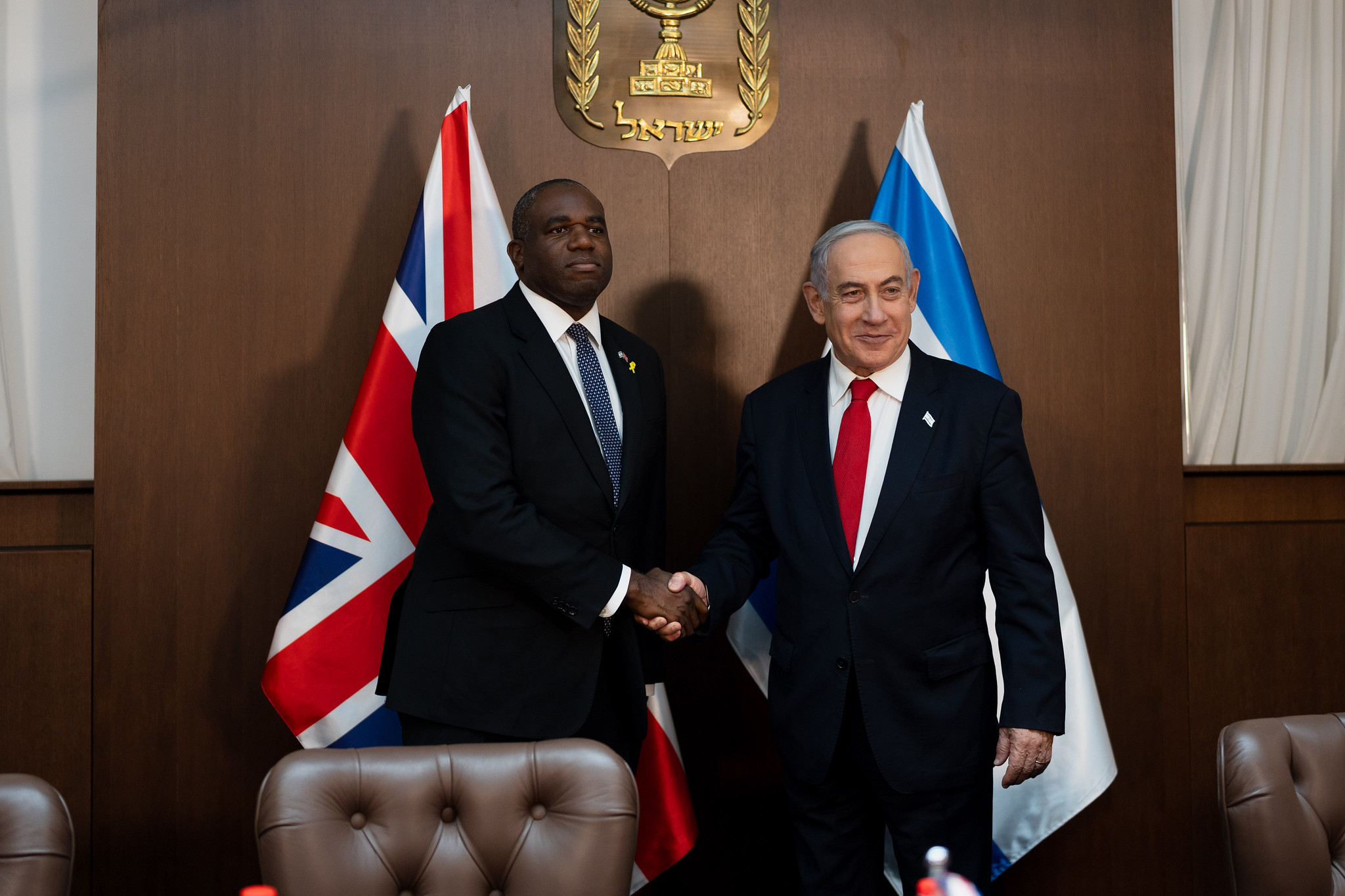
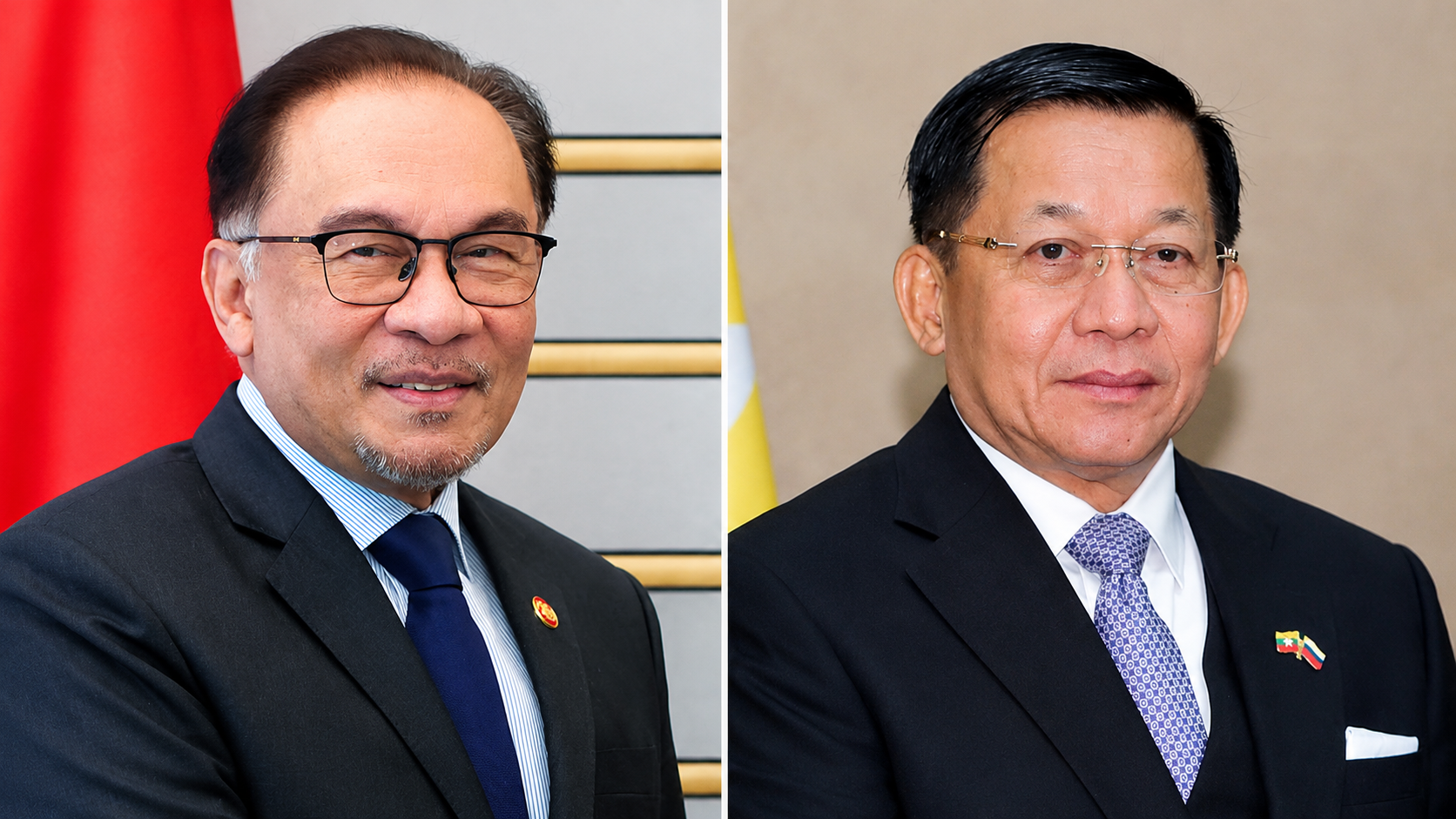
The announcement followed talks between Malaysian Prime Minister Anwar Ibrahim and Myanmar military leader Min Aung Hlaing during the latter’s visit to Malaysia on October 7–8. Anwar said Myanmar was prepared to facilitate large-scale repatriations at its own expense, with further arrangements to be negotiated between the two countries.
Human Rights Watch urged Malaysia to halt the returns, calling on Anwar to press Myanmar’s military leadership to end abuses against its population.
The UN has also warned Malaysia against returning people to a country where they could face serious human rights violations, amid particular concern over the safety of Rohingya Muslims.
Malaysia began returning Myanmar nationals on September 29, when the first group of 1,476 people left under the programme. They had been held in 14 Malaysian immigration detention centres and travelled by sea, arriving in Thanlyin, near Yangon, on October 4.
The group comprised 1,370 men, 79 women, 20 boys and seven girls, aged between eight and 60. Its ethnic composition has not been made public, and it has not been confirmed whether any Rohingya were among those returned.
Malaysia says the returns are voluntary. However, the UN refugee agency, UNHCR, said it had not been granted access to the detainees and could not independently assess whether their decisions to return were genuinely voluntary and informed.
The programme has raised concerns because Malaysia is home to more than 126,000 registered Rohingya refugees, according to UNHCR.
Rohingya are a predominantly Muslim ethnic minority from Myanmar’s western Rakhine State. They have faced decades of persecution and are largely denied citizenship and basic legal protections in Myanmar. More than 700,000 fled to neighbouring Bangladesh following a military crackdown in 2017.
Anwar said in July that Myanmar had agreed to accept 5,000 ethnic Rohingya. Malaysian authorities have since described the wider repatriation programme as involving 5,000 Myanmar nationals.
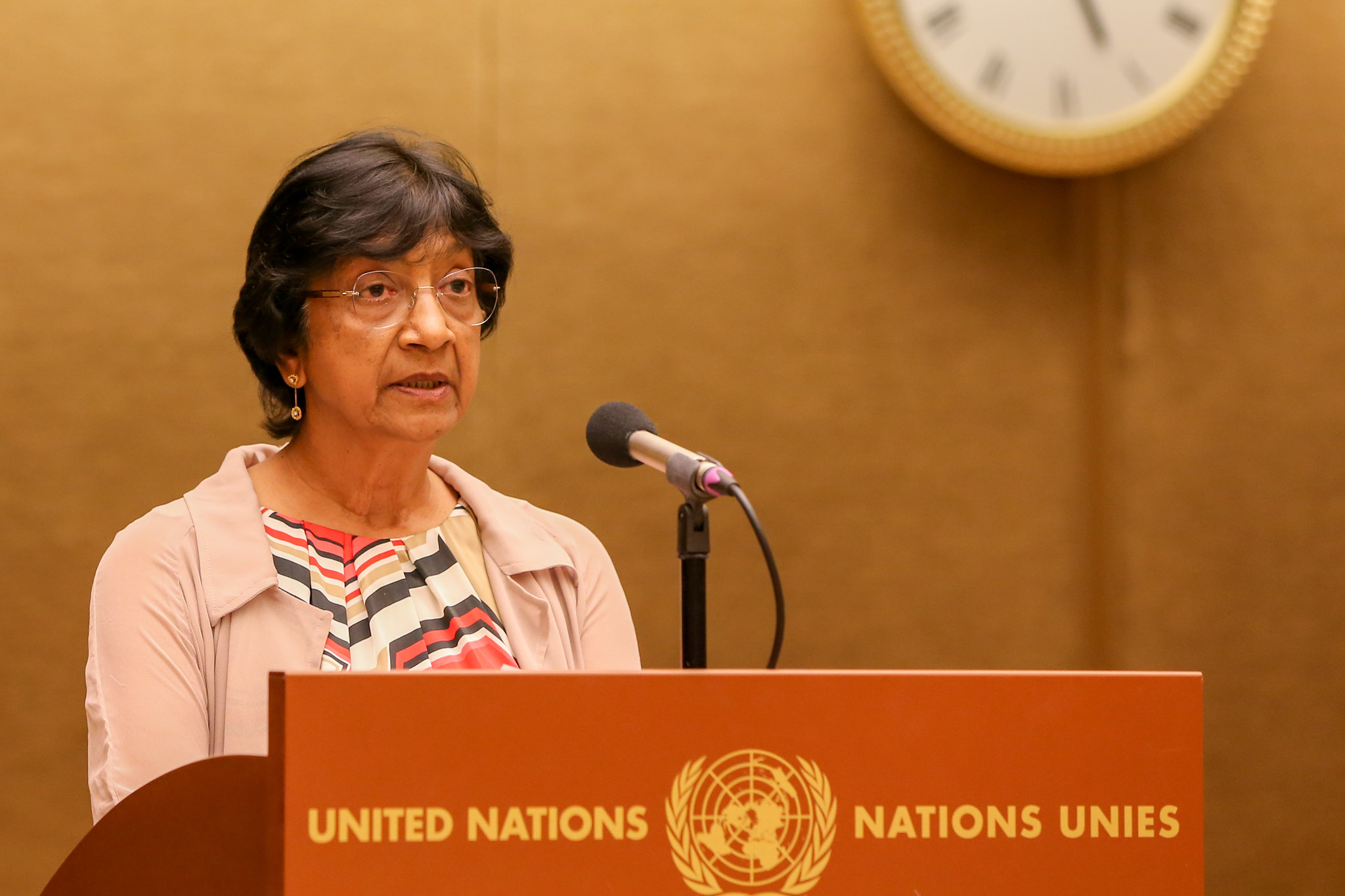
UN High Commissioner for Human Rights Volker Türk has called on Malaysia to halt the returns, warning that people sent back could face further violence and serious human rights violations.
His warning followed a Myanmar military airstrike on a market in Kyauktaw township, Rakhine State, on September 28, which reportedly killed at least 50 people and injured 58 others.
The market contained more than 200 shops and was used by members of Rakhine, Rohingya, Hindu and Daingnet communities.
“This is no time to return any one forcibly to a country plagued by egregious human rights violations and abuses,” Türk said.
He warned that returning people to Myanmar could breach the principle of non-refoulement, which prohibits sending individuals to places where they face persecution, torture or other serious harm.
The UN has documented continuing abuses in Myanmar, including arbitrary detention, torture, sexual and gender-based violence, enforced disappearances, forced labour and forced recruitment.
Rohingya have faced abuses from both the Myanmar military and the Arakan Army as fighting has intensified in Rakhine State.
Malaysia is not a party to the 1951 UN Refugee Convention and has no formal national system for determining refugee status. Refugees and asylum seekers can consequently face detention and be treated as undocumented migrants under Malaysian law.
Malaysia’s Home Ministry previously said a further 3,524 Myanmar nationals had been approved for repatriation, bringing the planned initial total to 5,000. Communications Minister Fahmi Fadzil said on September 30 that Malaysia was waiting for Myanmar to confirm arrangements for the second phase.
The government has maintained that the returns are voluntary and form part of efforts to manage undocumented Myanmar nationals in the country.
Myanmar has been embroiled in civil conflict since the military seized power in February 2021. Fighting between the military and the Arakan Army has intensified in Rakhine State, where Rohingya remain among the communities most affected by the conflict.