Midnight Adams
Just 7% of Muslim healthcare professionals say the NHS consistently takes patients’ faith needs into account, despite all respondents saying that understanding those needs can improve health outcomes, a new report has found.
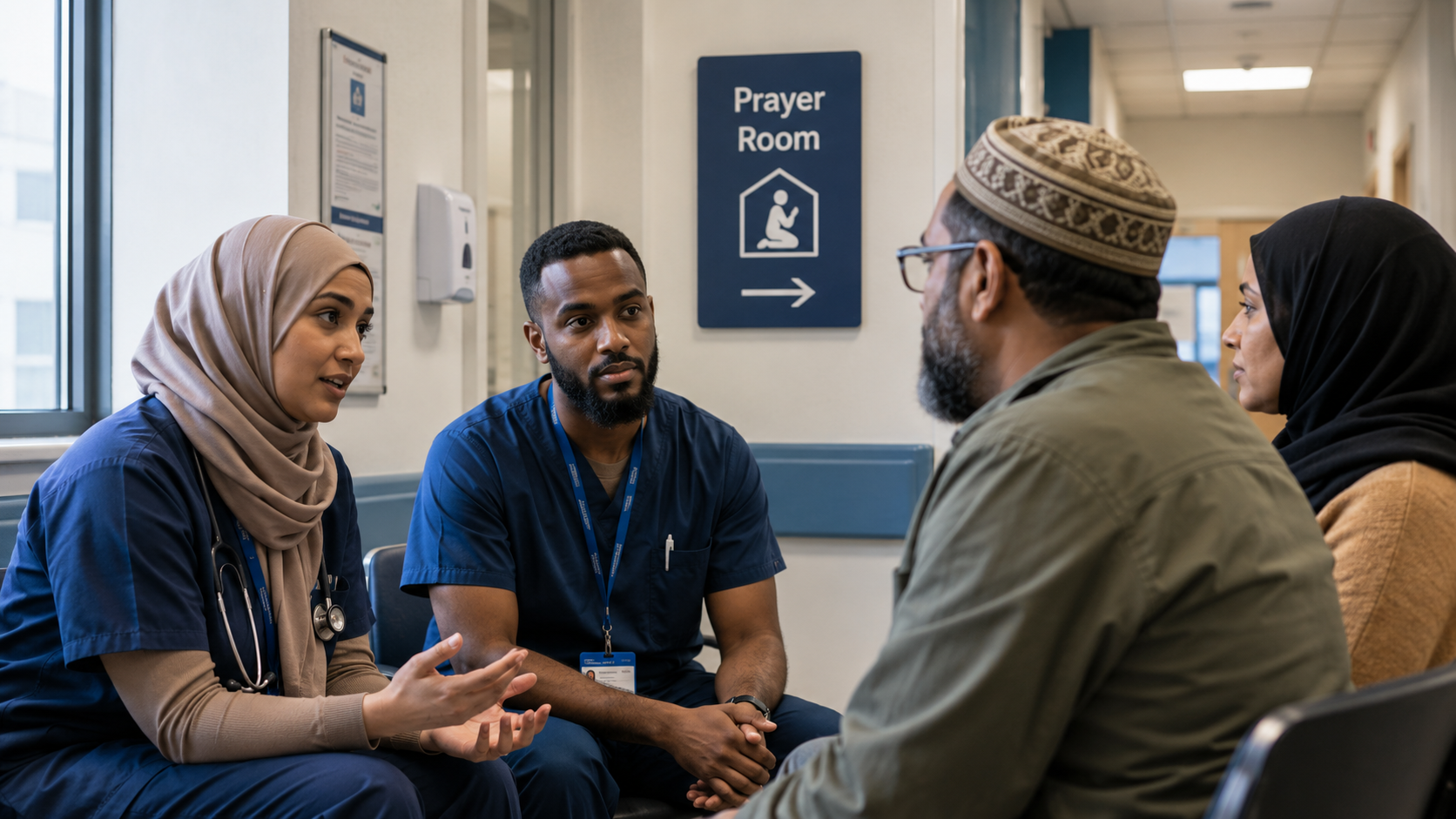
The report, by Muslim-founded think tank EQUI examines the experiences of Muslim healthcare professionals and the extent to which faith-sensitive care is reflected in NHS practice.
The report, titled Faith in the NHS: Better Health, Greater Trust, Lower Costs, was released in July and draws on interviews with Muslim healthcare workers from across the country to explore how faith can be better incorporated into the NHS’s operations.
A report conducted in collaboration with the British Islamic Medical Association found that Muslim healthcare workers were more likely to leave their jobs due to discrimination, with 54% of those interviewed reporting occasional discrimination on the basis of their faith and 19% experiencing it regularly.
Additionally, the research found Muslims are “crucial contributors” to the UK healthcare sector, making up 15 per cent of all healthcare workers , despite Muslims accounting for around 6 per cent of the UK population.
Interviewees recommended greater collaboration between the NHS and faith-based community organisations and charities, with 93 per cent of respondents considering them vital partners in healthcare provision.
More than half of those interviewed said they had recommended a patient to a faith-based organisation or faith leader to support their care.
Finally, 59 per cent of Muslim staff said they do not believe that the NHS is doing all it could support the faith needs of its staff.
The report criticised the government’s 2025 10-Year Health Plan for England for failing to adequately consider faith or religion. It also offered a series of recommendations and policy proposals aimed at improving support for Muslim healthcare workers and patients.
Most significantly, the report noted that, as the NHS moves towards providing more community-centred care, there could be greater opportunity to work with more faith-based partners.
Census data shows that 40 per cent of British Muslims live in the most deprived areas of England and Wales, where they are disproportionately affected by issues including overcrowding, poor housing and unemployment.
The report advocated “standardised faith-literate support for staff across healthcare trusts” to ensure that every Muslim healthcare worker and patient has access to high-level faith-based support.
EQUI suggested that, by creating and disseminating a faith-literate approach, the healthcare sector could more effectively target the issues that directly affect Muslim patients.
Yunus Dudhwala, England’s first Muslim chaplain at Barts Health NHS Trust, said: “The understanding [of faith-literate care] is inconsistent. Often, it’s dependent on individuals in the organisation rather than system-led [approaches].”
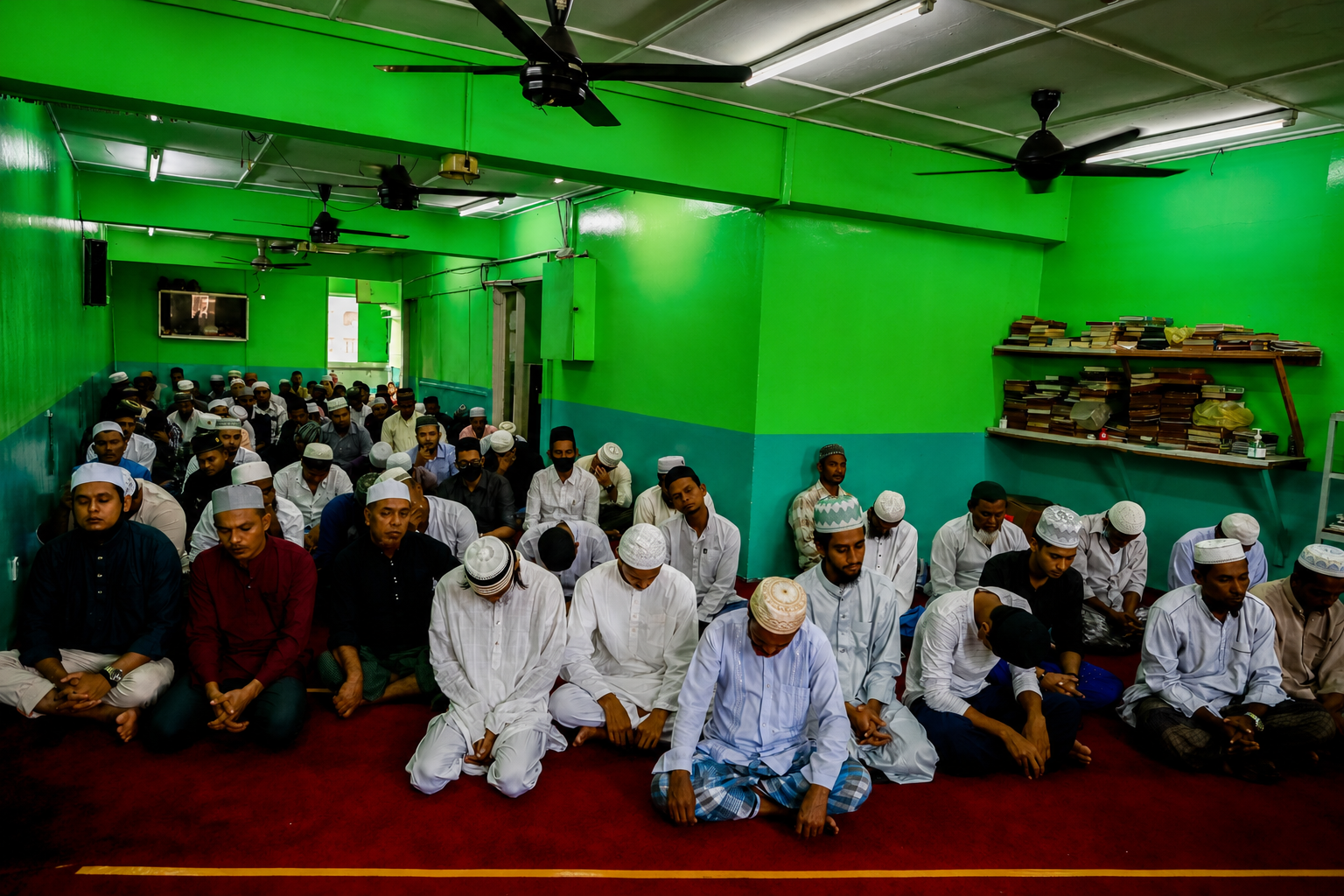
One British Muslim NHS patient said: “Faith isn’t just something we leave at the door. For us, Islam is a way of life. It’s not something that we can detach from.”
Standardise faith-literate support for staff across trusts. Accommodate prayer, diet, and spiritual needs.
Retention · lower costsInclude faith in patient assessments & data collection. Train staff to address faith needs.
Better outcomes · trustExpand VCSE collaborations to explicitly include faith groups (VCFSE).
Prevention · reachCollect faith-disaggregated data on DNAs, satisfaction, and outcomes.
Evidence-basedEQUI also argued in favour of more data collection on the faiths of NHS patients, to “allow policymakers to identify more specific patterns relating to attendance”, which it said could help address issues such as low attendance, particularly among Muslim patients.
Dr Emma Runswick, Deputy Chair of the British Medical Association Council, said the report provides “a clear evidence base for why faith must be taken seriously in the NHS”. She added that “faith-literate care” can support “better engagement, earlier intervention and stronger relationships between the NHS and the people it serves”.
Midnight Adams is an independent journalist