Harun Nasrullah
Authorities in the Indian state of Rajasthan have been accused of targeting Muslim places of worship, including mosques and Sufi shrines, during a recent demolition campaign in districts bordering Pakistan.
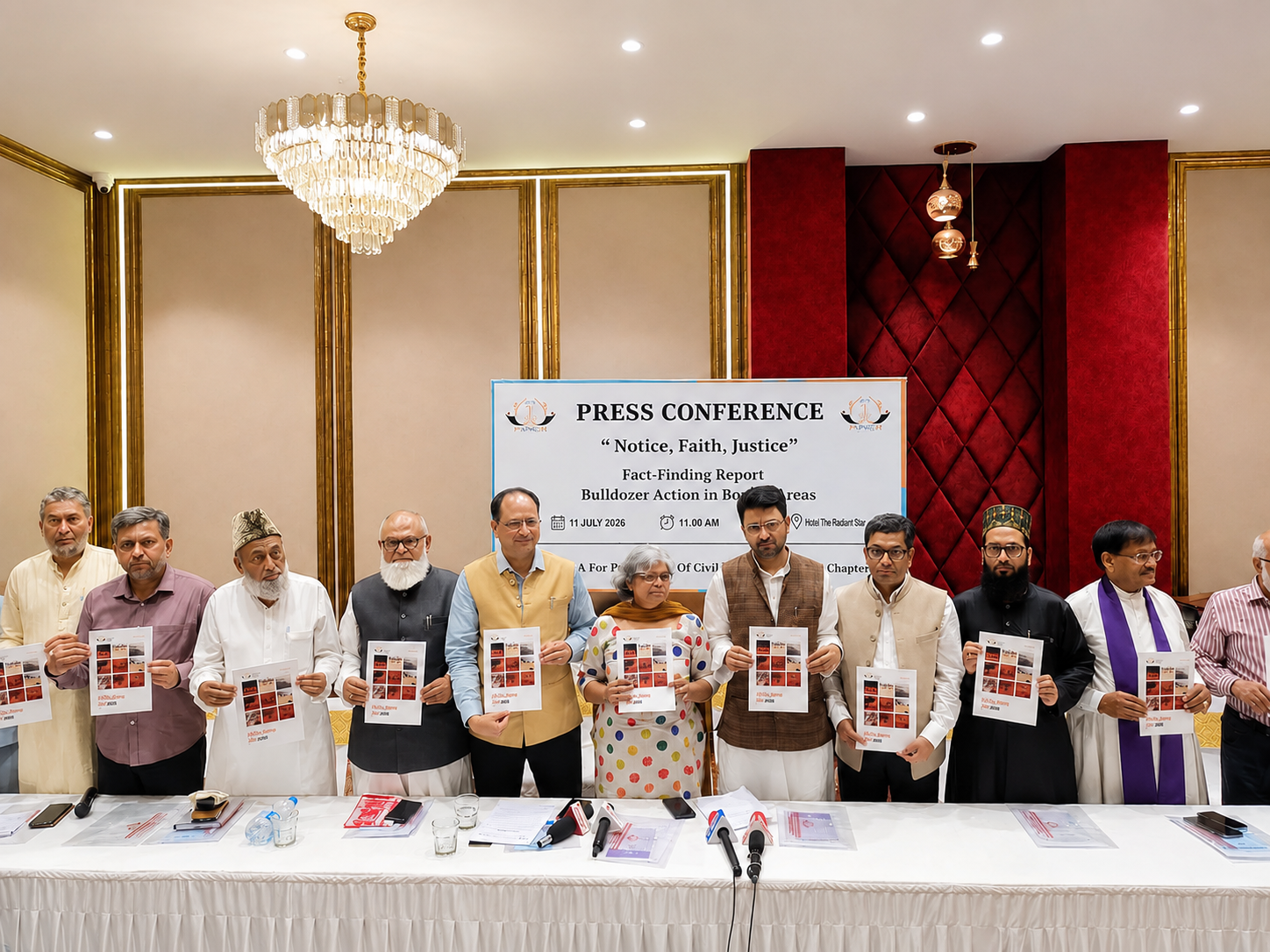
The allegations come from the Association for Protection of Civil Rights (APCR), a New Delhi-based legal aid and civil rights organisation. In a report released on July 11, Notices, Faith and Justice, APCR argues that action against Muslim religious sites in the border districts of Barmer, Jaisalmer and Bikaner reflects a broader pattern rather than isolated incidents.
The report was published as Rajasthan intensifies an anti-encroachment drive in frontier districts following security reviews by India’s Union Ministry of Home Affairs. The state government says the campaign is aimed at removing illegal encroachments, enforcing land laws and strengthening border security, not targeting any religious community.
APCR examined administrative action involving mosques, Islamic schools, open-air prayer grounds, Sufi shrines, tombs and Muslim cemeteries. It said authorities issued notices under several state laws, including the Rajasthan Land Revenue Act, Rajasthan Panchayati Raj Rules and Rajasthan Colonisation Act.
According to APCR, some notices warned occupants they could face up to three months’ civil imprisonment and fines of up to 50 times the annual land revenue if they failed to comply.
The organisation said the proceedings raised “serious concerns” over due process, arguing that many communities were not given a fair opportunity to challenge the action before demolitions took place. In several cases, it said, notices were delivered only days after the dates printed on them, leaving recipients as little as one to three days to respond or seek legal representation.
Based on its investigation, APCR said six mosques had been demolished in Barmer district, along with two mosques and several Sufi shrines in Jaisalmer, while one mosque and two shrines were demolished in neighbouring Bikaner.
The report said the legal status of the affected land varied widely, including grazing land, village commons, private agricultural land, allotted plots and residential land. It argued that inconsistencies in historical and current land records meant each case should be assessed individually rather than through what it described as a blanket administrative approach.
Rajasthan shares a more than 620-mile border with Pakistan and has seen heightened security measures following periods of military tension between the two countries.
The demolition drive has become politically contentious. Opposition leaders, including members of the Indian National Congress, have accused the BJP-led Rajasthan government of disproportionately targeting Muslim religious structures. The state government rejects the allegations, maintaining that the campaign is focused on removing unauthorised encroachments in sensitive border areas.
While acknowledging the importance of national security and border management, APCR said administrative action must comply with India’s Constitution, the rule of law and principles of natural justice.
The organisation urged authorities to halt irreversible action in cases pending before the courts, provide adequate notice and meaningful hearings, and follow Supreme Court guidelines requiring due process before demolishing religious sites.
Speaking at the report’s launch, Sindhi folk singer Haroon Khan, from the border village of Gadra near the Munabao crossing with Pakistan, said one mosque in his village had already been demolished while residents had managed to save another.
“They are attacking not just our dargahs but our Sindhi-Sufi culture, our folk art and our centuries-old communal harmony that defines Rajasthan’s borderland,” Khan said.
He added that many Hindus had joined Muslims in opposing the demolitions, saying the issue was about protecting shared cultural heritage rather than religion.
APCR said similar proceedings were under way or proposed elsewhere along Rajasthan’s international border.
Releasing the report, the organisation said it had been prepared “neither in favour of nor against any particular community, but in support of constitutional governance, the rule of law and fair administrative procedure.” It added that “national security and the constitutional rights of citizens are not mutually exclusive but complementary.”
The Rajasthan government had not publicly responded to APCR’s report at the time of publication.