Using records from previous years, researchers have estimated more than 2,700 excess deaths in England and Wales during the exceptionally hot weather in May and June may have been linked to heat-related causes.
More than 2,000 deaths are estimated to have been linked to heatwaves in June alone, which was the hottest June on record, with temperatures soaring over 35°C, triggering a rare red heat alert external to be issued for parts of England and Wales, warning even healthy people of the significant risk to life. The figure, from a team at Imperial College London, the Met Office and the London School of Hygiene and Tropical Medicine, is based on what’s known about the dangers of extreme heat.
The main driver for the hot weather was a “heat dome” over the UK. This occurs when a large, stalled area of high-pressure traps hot air beneath it keeping it in place, and prevents other weather systems from moving in.
A stalled high-pressure system traps hot air beneath it, preventing cooler weather from moving in and creating prolonged heat.
This led to the prolonged period of hot weather and warm tropical nights – that offered little relief from the daytime heat. When overnight temperatures remain high, the body has little opportunity to recover from the day’s heat, allowing heat stress to build up over several days. As many UK homes are not built to cope with heat, it became difficult to cool homes down leaving people vulnerable to prolonged, high temperatures. Cities can also remain significantly warmer than surrounding rural areas because roads, buildings and concrete absorb heat during the day and slowly release it overnight – a phenomenon known as the ‘urban heat island’ effect.
What extreme heat really does to your body
Our bodies are adapted to cope with a range of temperatures, while keeping our core temperature around 37°C. When we get hot our bodies have several mechanisms to cool us down and get rid of excess body heat, such as sweating (evaporation of sweat causes cooling), increased blood flow to the skin (to get rid of excess heat through the skin), breathing faster (releases heat through respiration) and dilating blood vessels to lower internal temperature. These systems work well in moderate heat, but in prolonged periods of high temperatures trying to get rid of excess heat becomes increasingly more difficult.
Heat puts immense physical strain on the body. Firstly, the heart must pump harder to send more blood flow to the skin to cool down. This increased workload can put a strain on the heart and be dangerous especially in people with heart issues and cardiovascular disease. Many heat-related deaths are from cardiovascular issues.
In extreme heat, excessive sweating can lead to dehydration, which causes the blood to thicken making the heart’s job even harder. In addition, electrolyte loss through sweat can cause dizziness, confusion and muscle cramps. When humidity is high, or during extreme heat, sweat may not evaporate as efficiently which can cause heat to build up inside the body – potentially leading to heatstroke, which is a medical emergency.
Who is most vulnerable to extreme heat?
While heatwaves are uncomfortable for most people, some groups are at much greater risk of developing heat-related illness.
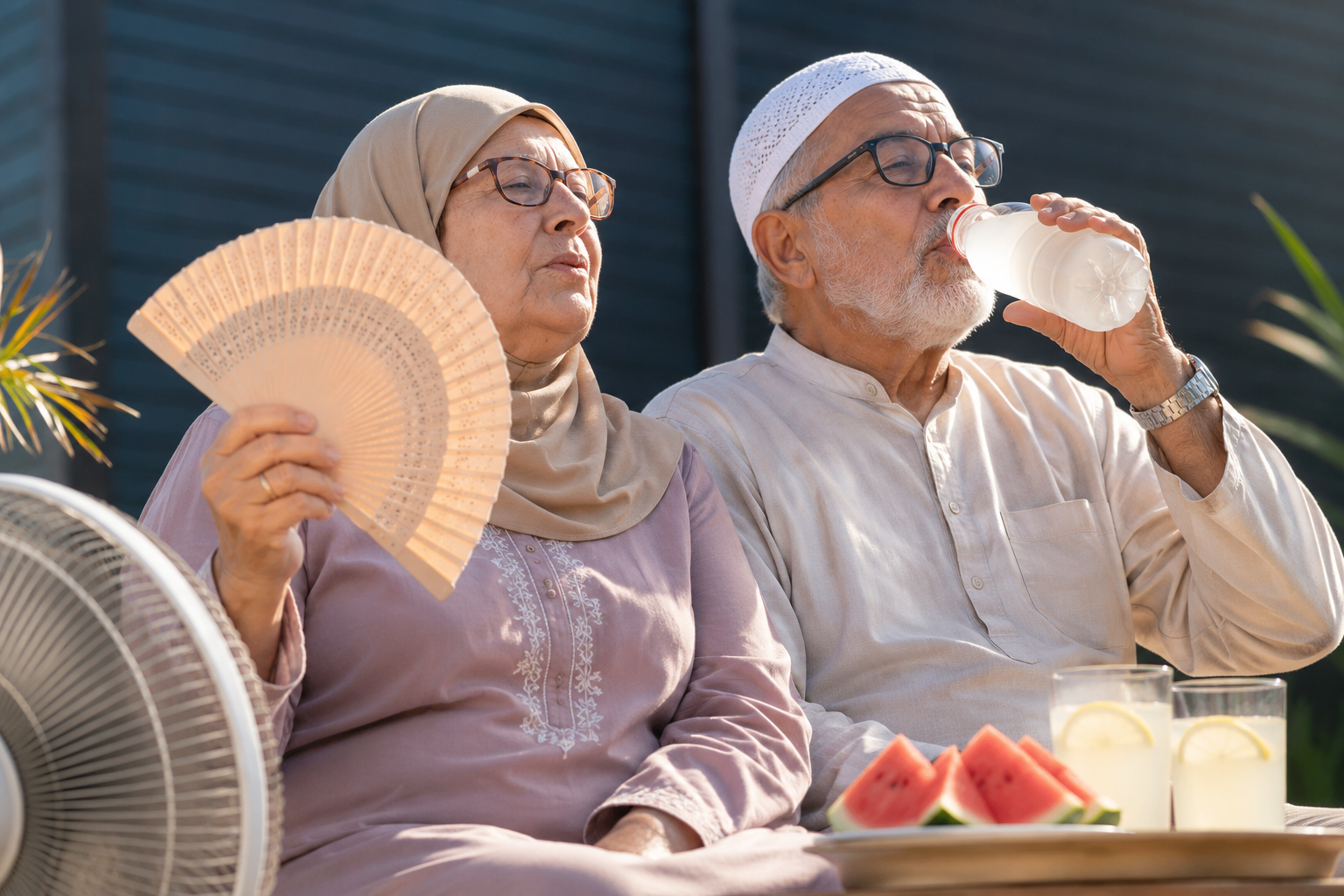
Older adults – sweat glands become less efficient with age and leads to reduced sweating, weaker heart function means the heart cannot increase output as easily. Weaknesses in the cardiovascular system are more common with age, conditions such as heart disease, diabetes, kidney disease can reduce resilience. Certain medications can impair the hydration or heat response. Heatwaves consistently show spikes in cardiovascular events in this age group.
Babies and young children – babies have an immature thermoregulation system and cannot control body temperature as well. They also have a high surface‑area‑to‑body‑mass ratio, which means they absorb heat quickly, and heat up more quickly than adults. Babies and young children are also dependent on adults to provide adequate hydration, clothing and other methods to help them cool down.
People with heart, lung, or kidney conditions – heat forces the heart to pump harder placing more strain on the cardiovascular system, this can lead to arrhythmias, a drop in blood pressure and heart attacks. Hot weather makes breathing more difficult, hot air can exacerbate asthma and Chronic Obstructive Pulmonary Disease (COPD).
Other groups at increased risk include pregnant women, people with dementia or severe mental illness, those taking certain medications such as diuretics (“water tablets”), beta blockers, some antidepressants and antipsychotics, outdoor workers, athletes, people living alone, homeless people and those without access to cool indoor spaces. People should never stop prescribed medication without consulting a healthcare professional.
Even healthy people can be overwhelmed if heat is intense enough, and healthy adults should not underestimate the effects and risks of heat. Everyone should make sure they stay well hydrated, avoid the hottest parts of the day, do not exercise in the hottest parts of the day and seek shade and cool places to recover.
If someone develops symptoms of heat exhaustion, they should be moved to a cool place, encouraged to drink fluids if they are able, have excess clothing removed and be cooled with damp cloths or cool water. If symptoms worsen, they become confused, collapse, have a seizure or lose consciousness, this may indicate heatstroke and emergency medical help should be sought immediately by calling 999.
As hotter summer temperatures are predicted to be more common in the UK, and more heatwaves are potentially on the way in August it is important that we are aware of the risks of hot weather and ensure we take steps to look out for those who may be more at risk. In the UK we are already accustomed to excess deaths in winter due to cold snaps, but it may be that with more extreme summer temperatures excess deaths will also become the norm in summer due to weather conditions.
Many heat-related deaths do not occur immediately during the hottest part of the day but may happen hours or even days later, as prolonged heat places increasing strain on the cardiovascular and respiratory systems.
For more information on preventing heat-related illness and recognising the signs of heat exhaustion and heatstroke, visit the NHS guide to heat exhaustion and heatstroke or NHS advice on coping in hot weather.
Rachel Kayani, Science Tutor and Writer