Home Affairs Correspondent
The Food Standards Agency has found “no clear evidence” that animal welfare breaches are more likely during non-stun slaughter, challenging a key argument used by campaigners calling for an end to the practice.
This finding, from the FSA’s annual Animal Welfare Report for England and Wales, comes as political pressure mounts to end the legal exemption permitting some halal and kosher meat to be produced without prior stunning.
The FSA said its analysis found no evidence that welfare breaches were more or less likely during non-stun slaughter than when animals were stunned before being killed.
The agency said: “Our analysis found no clear evidence that animal welfare breaches are more or less likely to occur during non-stun slaughter compared to stunned slaughter.”
The findings are likely to intensify debate over whether banning non-stun slaughter would improve animal welfare.
The report covers slaughterhouses in England and Wales in 2024-25, when more than one billion animals were processed, and inspectors recorded 33,920 animal welfare breaches.
Most animals were stunned before slaughter. A separate 2024 government survey found that 97 per cent of poultry and 85 per cent of red-meat animals were stunned.
The issue has become increasingly contentious in Westminster, with a parliamentary petition calling for a ban attracting more than 100,000 signatures and prompting a debate in June 2025.
During the debate, Great Yarmouth MP Rupert Lowe, now leader of the Restore Britain party, called for the religious exemption to be scrapped.
However, the FSA said ministers would continue to allow religious slaughter by Muslims and Jews, including legally permitted non-stun methods.
The agency also said it would continue promoting the voluntary Demonstration of Life scheme, which aims to reassure Muslim consumers that stunning sheep and goats can meet halal requirements.
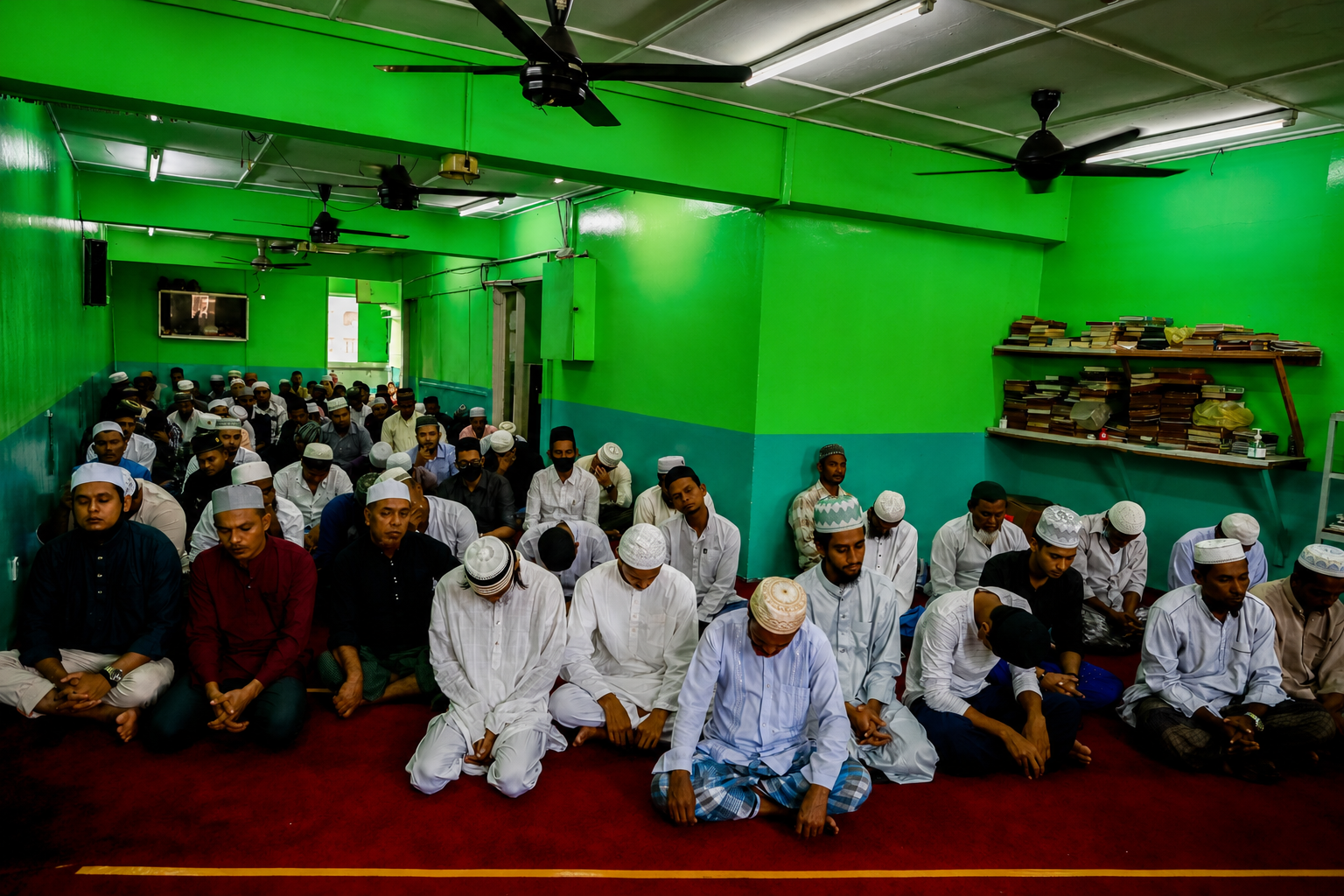
The debate has raised concerns among Muslim and Jewish communities that restrictions on religious slaughter could interfere with their dietary practices.
In Islam, animals intended for food must meet certain conditions and be slaughtered with a single cut to the throat. Islamic scholars differ over stunning: some permit it if the animal remains alive before the cut, while others oppose it on welfare grounds.
Most halal meat in Britain is already produced from stunned animals. The RSPCA has said that 88 per cent of animals slaughtered for halal meat in 2024 were stunned.
The Halal Food Authority has argued that animal welfare should not be assessed solely at the point of slaughter.
Its chief executive, Amir Masoom, said animal welfare should be considered throughout the animal’s life, from farming and transport to handling and slaughter.
“We believe the welfare debate should not focus only on the welfare aspects of the method of slaughter,” he said. “The approach should be holistic to encompass the entire life of the animal.”
Independent MP Iqbal Mohamed, who took part in last year’s parliamentary debate, similarly argues that the slaughter method is only one factor affecting animal welfare.
He said a ban would offer “no clear benefit” to people who do not follow religious dietary practices and accused campaigners of using “dog whistle politics”.
The FSA said it would continue working with the Department for Environment, Food and Rural Affairs and the Welsh Government on possible policy changes. These include proposals to improve meat labelling by showing how the meat was produced.
The previous government carried out a consultation on labelling. Its response, published recently, said ministers would consider whether changes to labelling could be included in a wider approach to animal welfare and the UK’s food strategy.
The FSA does not have the power to approve or reject a slaughterhouse simply because it uses a particular slaughter method.
Operators can choose their method according to customer demand, provided it complies with UK law and, where relevant, religious requirements.