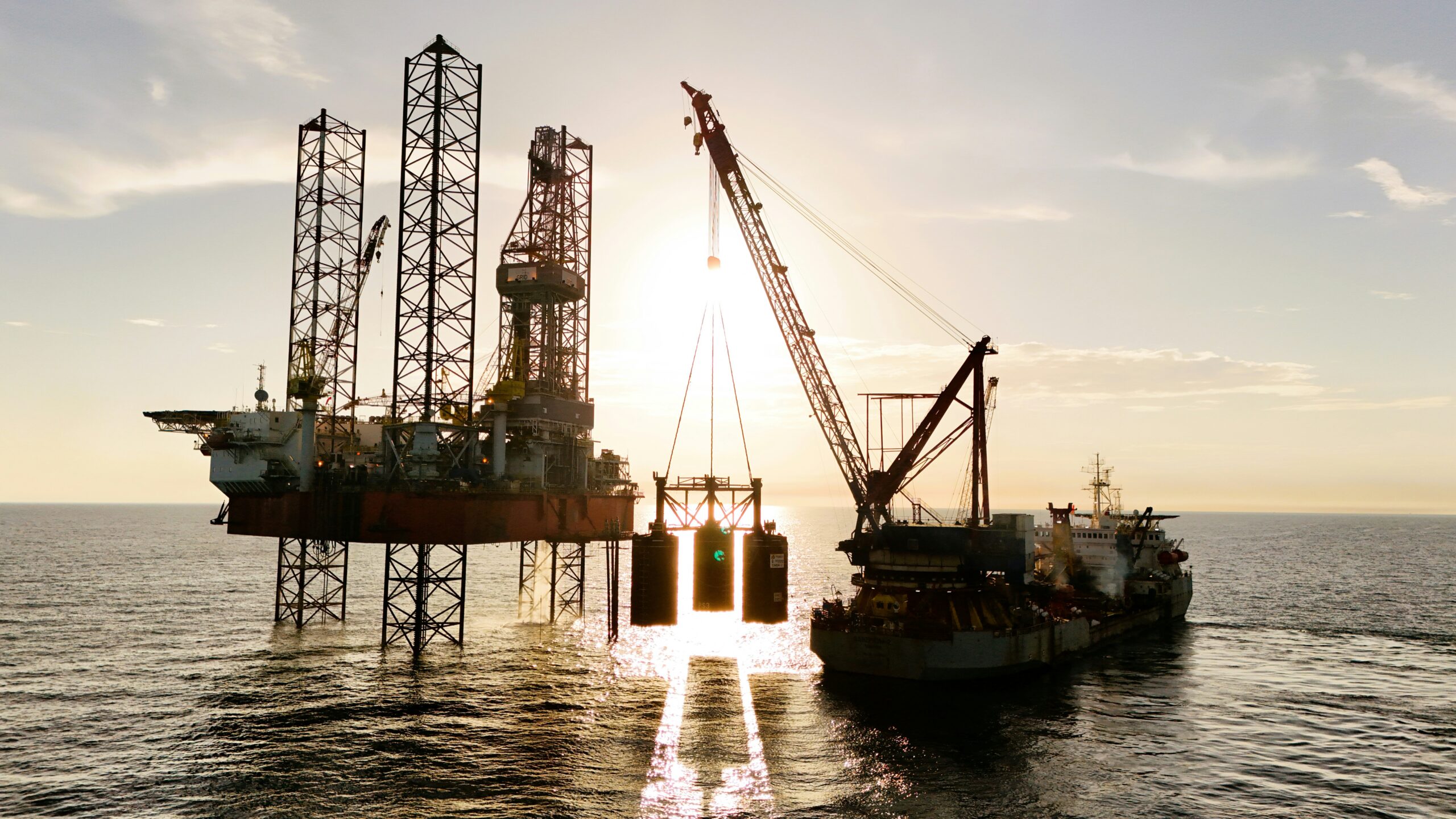
Environmental campaigners have accused the UK Government of undermining its climate commitments by approving the controversial Jackdaw gasfield, warning it will do little to lower household energy bills while adding to global warming.
“Jackdaw won’t make a jot of difference to our energy bills, but it will fuel the climate chaos already unfurling in front of us,” said Danny Gross, climate campaigner at Friends of the Earth.
“Is the Prime Minister living in a parallel universe?” he asked, pointing to extreme heat, droughts and wildfires and warnings about the risk of breaching the internationally agreed 1.5°C warming limit.
The Government announced its approval on October 21, allowing the North Sea Transition Authority (NSTA) to grant development and production consent for the field, operated by Adura, a joint venture between Shell and Equinor. Gas is expected to reach British homes and businesses by the end of October.
Ministers argue that developing existing domestic reserves will strengthen energy security, protect jobs and reduce reliance on higher-emission imports amid international instability and rising energy costs. Campaigners dispute these claims, questioning whether the benefits justify additional fossil fuel production when the UK has pledged to reach net zero by 2050.
Gross said lower bills and greater energy security required investment in renewable electricity and home insulation rather than further fossil fuel development.
The Government estimates that Jackdaw could increase domestic gas production by around 6 per cent at peak output and contribute £2.9 billion to the UK economy. The developer expects the project to create 27 direct jobs while safeguarding 273 existing positions.
Tessa Khan, Executive Director of climate campaign group Uplift, said the field’s contribution to Britain’s energy needs had been overstated.
“Jackdaw will provide around just 2% of our gas demand for roughly 10 years,” she said, arguing that it would not prevent the longer-term decline in North Sea employment because the facility would be largely unmanned and remotely operated.
The Government’s 6 per cent figure refers to the projected increase in domestic production at peak output. Uplift’s 2 per cent estimate refers to the share of annual UK gas demand the field could supply on average over its roughly 10-year operating life, assuming none of the gas is exported.
Campaigners also question whether more domestic production will protect consumers from international price fluctuations. UK gas prices remain linked to wider markets, so increasing supply does not automatically mean lower household bills.
Ministers argue that homegrown gas will reduce reliance on higher-emission imports. Uplift counters that much of Britain’s imported gas comes by pipeline from Norway rather than as liquefied natural gas (LNG). It says comparisons must also account for the emissions released when gas is burned, not just those from extraction and transportation.
Energy Secretary Miatta Fahnbulleh defended the approval, saying it followed consideration of the project’s economic benefits, energy security implications and environmental effects.
“This decision will support the country’s energy security with homegrown gas this winter and help minimise the UK’s use of imported higher emission fuels as we continue our transition to renewables and nuclear,” she said.
Fahnbulleh maintained that the decision was compatible with the UK’s legally binding climate commitments and the Government’s pledge to end new oil and gas exploration licences.
Prime Minister Andy Burnham also defended the approval, arguing that Britain would continue to need fossil fuels for decades.
“At a time when people are really struggling, it’s right that we look in a responsible way at maximising the existing energy reserves we have in Britain that could help,” he said.
The Government also announced an initial £2 billion Energy Wealth Fund to channel oil and gas tax revenues into renewable and low-carbon energy projects. Ministers say it will support economic growth, create jobs and help reduce bills over the longer term.
Campaigners question whether future investment in cleaner energy justifies approving additional fossil fuel production now.
The decision follows the Supreme Court’s landmark Finch ruling in June 2024, which established that environmental assessments must consider emissions from burning extracted fossil fuels, not just those generated during extraction.
Jackdaw’s earlier consent was subsequently overturned following legal proceedings, requiring a revised environmental assessment. The Government says its latest decision considered the project’s greenhouse gas emissions alongside its economic and energy security benefits.
Greenpeace UK has also criticised the approval, questioning whether the project’s limited number of new jobs justifies its potential climate costs.
The organisation estimates that burning Jackdaw’s gas could cause £16.1 billion in global climate damage. Its calculation uses Government figures for the economic value of preventing premature deaths. Greenpeace also estimates more than 8,000 heat-related deaths globally. These are model-based estimates, not measured outcomes or a direct cost to the UK Treasury, and the calculation does not capture every potential form of climate damage.
The controversy highlights the distinction between ending new exploration licences and allowing production from fields that already hold licences. The Government says Jackdaw falls within its policy of permitting existing licensed fields to be developed. Campaigners argue that this approach risks prolonging fossil fuel dependence when emissions need to fall.
Attention is now turning to the proposed Rosebank oilfield, one of the largest undeveloped fields in UK waters. Campaigners have urged ministers to reject it, warning that further major fossil fuel developments would undermine Britain’s climate commitments and credibility in international climate negotiations.
Khan said Labour’s climate credibility was “on the line”, arguing that new oil and gasfields were incompatible with safe climate limits.
The Government insists domestic production can coexist with net zero, arguing that Britain must balance its climate commitments with energy security and the protection of jobs.
Elham Asaad Buaras