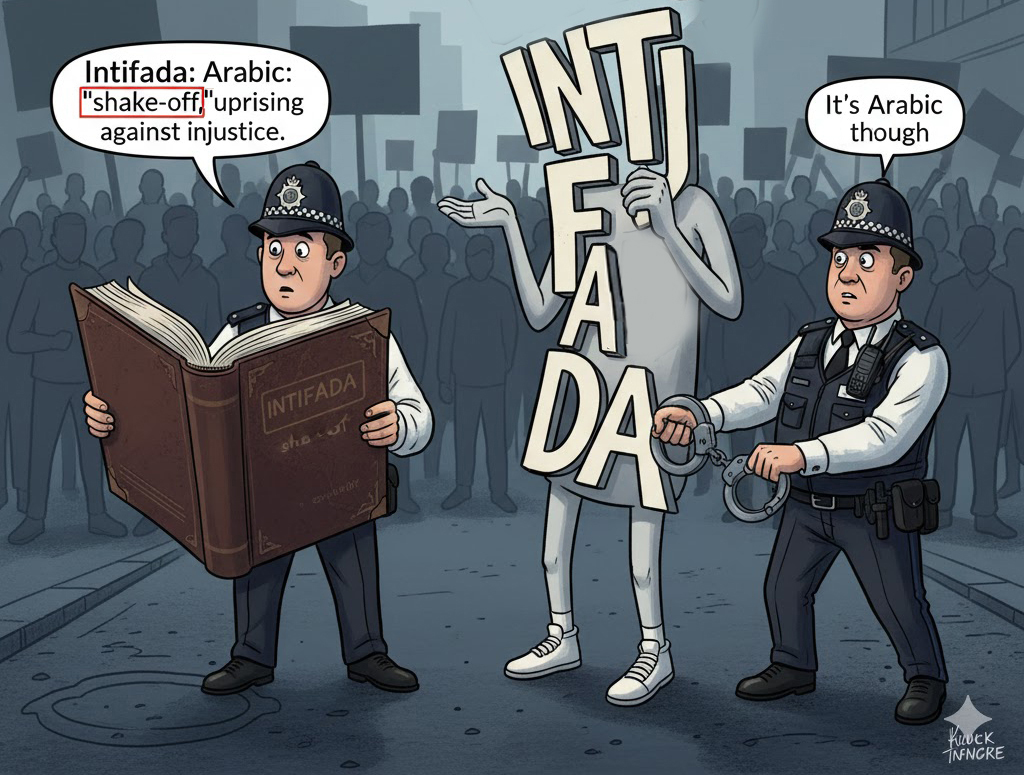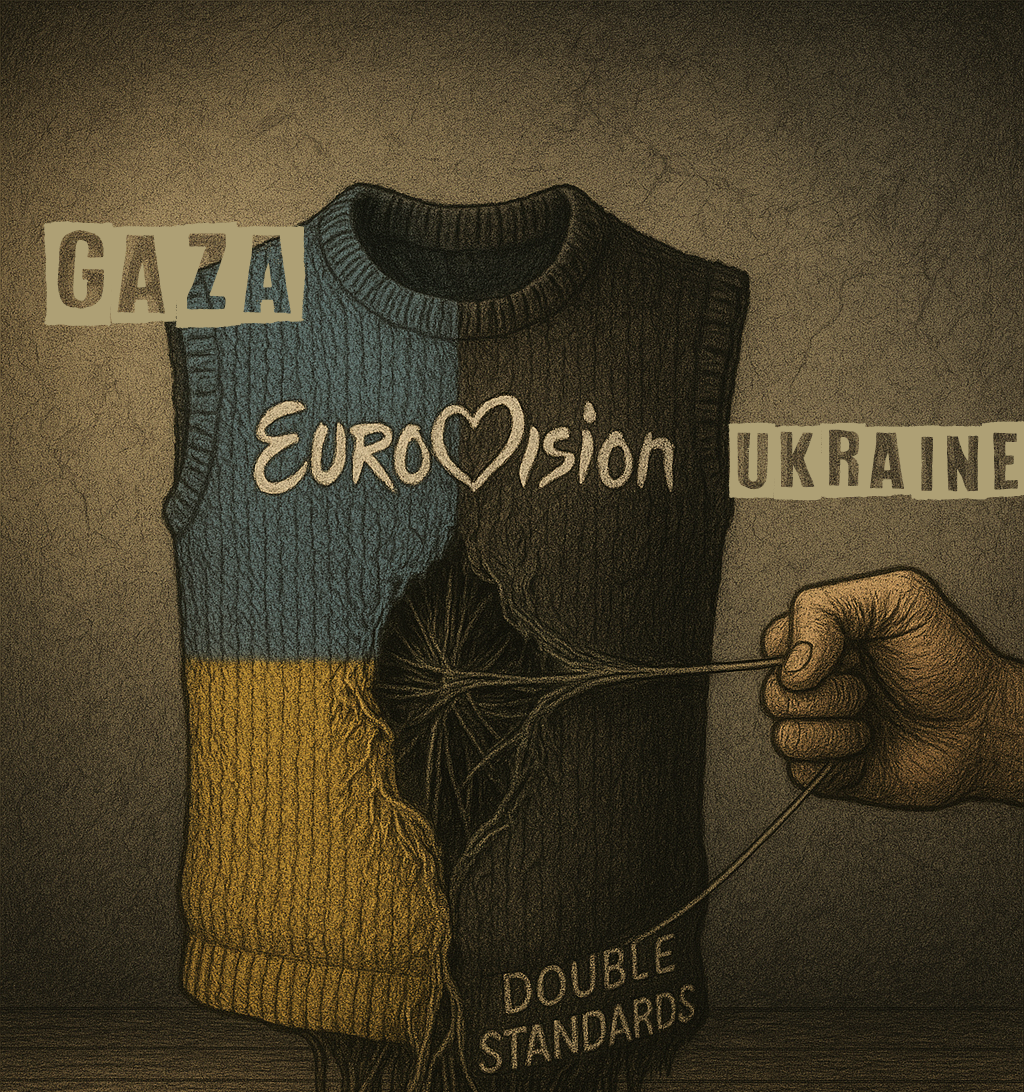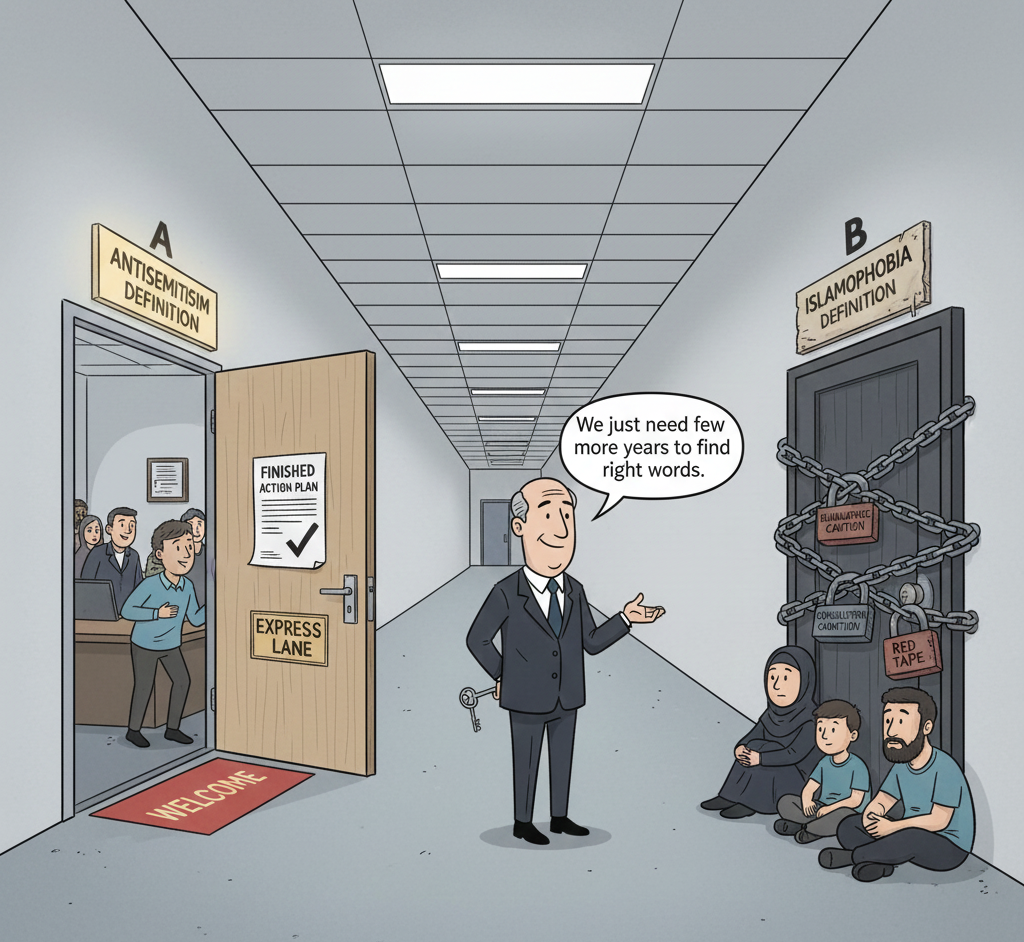
Almost a decade after the state moved swiftly to adopt a working definition of antisemitism, Muslims in Britain, the most targeted religious group according to the government’s own data, are still being told to wait their turn. The latest postponement in adopting a working definition of Islamophobia is being dressed up as bureaucratic caution and consultation. In truth, it looks increasingly like avoidance, a political reluctance not to confront anti-Muslim hatred in all its full and uncomfortable reality.
The facts are stark. While in opposition, Labour endorsed the 2018 definition of Islamophobia produced by the All-Party Parliamentary Group on British Muslims. It was not a fringe document. It carried the backing of more than 850 Muslim organisations, over 100 academics, scores of local authorities and politicians from across the political spectrum, except the Conservative Party. Once in office, however, Labour quietly changed tack, commissioning an Independent Working Group to start again.
Even then, ministers have balked at transparency. The group submitted its recommendations in October 2025, yet the report remains unpublished. Instead, private briefings and selective consultations have taken its place. Delay has become policy, and trust has drained away accordingly.
What has emerged via a BBC leak only deepens concern. The apparent preference for replacing the term Islamophobia with Anti-Muslim Hostility, coupled with resistance to acknowledging “racialisation,” signals to an attempt to watered-down outcome. This matters. Islamophobia is not simply hurt feelings or individual prejudice. It is a system of ideas and practices rooted in racialised assumptions, stereotypes and institutional bias. Remove that language and you remove the means to understand, let alone challenge, the harm.
The government’s discomfort with the word Islamophobia is all the more striking given its global usage. The term is embedded in academic research; civil society work and international policy frameworks. Rejecting it does not make the phenomenon disappear; it merely signals a refusal to name it honestly. Worse still, it echoes arguments long championed by right-wing politicians, think tanks, media and broadcasters, many of whom are now lobbying openly for no definition at all.
The political pressure is unmistakable. From Policy Exchange to GB News, from the National Secular Society to familiar media commentators, a well-worn alliance has mobilised against meaningful recognition of Islamophobia. Their objections, couched in the language of free speech, are uncannily similar to those once levelled at the antisemitism definition. The difference is that, then, government did not blink.
That contrast is indefensible. Jewish communities were rightly afforded the authority to define antisemitism based on lived experience, and that principle commanded respect across politics and media alike. Muslims are now asking for the same principle to apply: the right of a marginalised community to articulate the prejudice it faces. Equality before the law and policy demands consistency.
The reluctance to accept “racialisation” within the definition is especially revealing. Anti-Muslim abuse in Britain overwhelmingly targets visible markers, hijabs, beards, mosques, names and skin colour, regardless of belief or practice. As Naz Shah MP has pointed out, this mirrors the logic of antisemitic attacks on those wearing kippahs or racist assaults on Sikhs wearing turbans. To deny racialisation is not to defend free expression; it is to deny lived reality
The consequences of delay are not abstract. Without an agreed working definition, a promised action plan on Islamophobia has already been shelved, even as a detailed Antisemitism Action Plan has been rolled out. The message could hardly be clearer: anti-Muslim hatred is negotiable and its victims politically expendable.
A government serious about equality cannot allow definitions of racism and prejudice to be shaped by the loudest right-wing voices or media pressure. Nor can it continue to sideline the voices of those most affected. If ministers proceed with a diluted definition—or avoid adopting one altogether—they will confirm fears that recognition of Islamophobia is being sacrificed for political expediency.
Muslims in Britain are not asking for special treatment. They are asking for equal treatment. The longer the government delays, and the more it trims language to appease hostile critics, the clearer it becomes that this is not about semantics. It is about whether Muslim lives, experiences, and rights are afforded the same seriousness as those of any other community. On current evidence, the government is failing that test.
(Image: AI Gemini/The Muslim News)