Elham Asaad Buaras
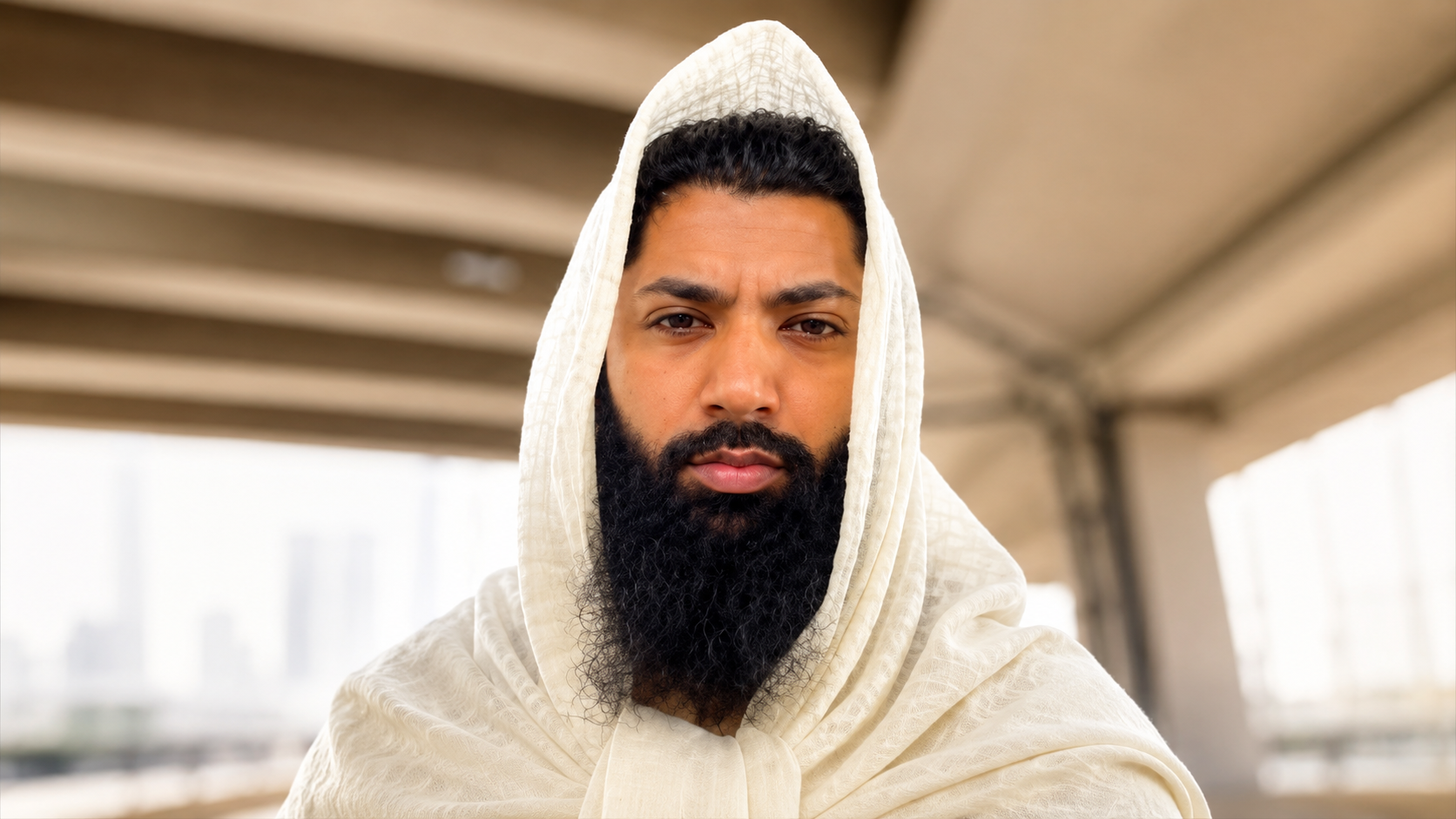
Former Coronation Street actor Qasim Akhtar has received an apology and damages from the Daily Mail after the newspaper admitted publishing false claims about his Muslim faith, alleged links to extremism and his supposed move to Pakistan.
The apology, issued on September 24, follows a separate case against The Sun, which also apologised and paid damages to Akhtar over false allegations published in November 2025.
Akhtar, who played Zeedan Nazir in Coronation Street and Chesney Karib in Shameless, said the reports had caused serious personal and reputational harm.
The Daily Mail article, published on November 22, 2025, claimed that Akhtar had moved to Pakistan and condemned his “degenerate past”. It also referred to his meeting with Muslim preacher Uthman Ibn Farooq and claimed he had praised his “beautiful reminders”.
Following legal action by media law firm Taylor Hampton, Associated Newspapers, publisher of the Daily Mail, accepted that the claims were false. In its correction, the newspaper confirmed that Manchester “was and remains” Akhtar’s home and that, although he had met Farooq, he “has never endorsed or supported extremist views”. It apologised and agreed to pay damages.
The case followed similar allegations published by The Sun on November 21, 2025. The newspaper falsely linked Akhtar to extremism, radicalisation and violence and claimed that he had moved to Pakistan and undertaken firearms training.
Akhtar launched High Court proceedings in March 2026. The Sun published an apology on May 22, and on June 23 acknowledged in open court that the article had caused serious harm to his reputation and considerable distress. It also accepted that it had failed to seek his response before publication and agreed to pay substantial damages and legal costs.
Akhtar said the Daily Mail apology marked the second time a national newspaper had acknowledged publishing false claims about him.
“This is the second national newspaper to apologise and pay me damages over stories which portrayed me in a completely false and deeply damaging way.”
He said the reporting had been particularly painful because of assumptions made about his religion.
“I am a proud Muslim and my faith should never be used as a basis to target and portray me as an extremist or to make false assumptions about what I believe.”
“The past year has been incredibly difficult for me and my family. Having two national newspapers make these kinds of allegations about you has consequences that extend far beyond a headline.”
Akhtar said he hoped his experience would encourage greater reflection on the consequences of using someone’s religion to make assumptions about their character or beliefs.
Following the Sun case, Akhtar said the allegations had affected his reputation, family, safety and peace of mind.
Jay Joshi, senior associate at Taylor Hampton, said the allegations had affected Akhtar’s reputation, beliefs and identity.
“No individual should find themselves having to disprove serious allegations of extremism on the basis of assumptions drawn from their religion,” he said.