Aliza Ayaz, UN Goodwill Ambassador and climate and health policy advisor
The first thing you learn in these rooms- COP26, the World Bank, the World Economic Forum, the House of Lords- is that you’re almost always the only one. Not the only woman, not always the only person of colour, but very often the only person whose faith is visible before you’ve said a word. A headscarf speaks louder than a CV. By the time sit down, some corner of the room has already written your script, and it rarely matches the expertise you came to offer.
There’s a kind of fatigue that comes from being cast as a representative before you’ve had the chance to simply participate as a professional. Panels on climate, finance, health, or humanitarian issues will often include one visibly Muslim or visibly South Asian voice, who is then quietly expected becomes a kind of translator —not just of their expertise , but of what the policy means for the community they are assumed to represent, as if these were part of the brief. It’s rarely hostile. It’s something quieter: a constant nudge, a subtle pressure to be a representative rather than a specialist.
It shows up in small, recognisable ways more than dramatic ones; the assumption that your identity is relevant to what you’re there to discuss, or in a Q&A question that delegates you as a representative of a billion people rather than a specific policy issue. The introduction that foregrounds your faith or background over your expertise.
The slight pause before someone asks where you’re “really” from, as though your accreditation badge weren’t already answering a different, more relevant question. None of it, taken alone, is much. Taken together, across enough panels and enough years, it adds up to a very particular kind of tiredness that has nothing to do with the actual policy work.
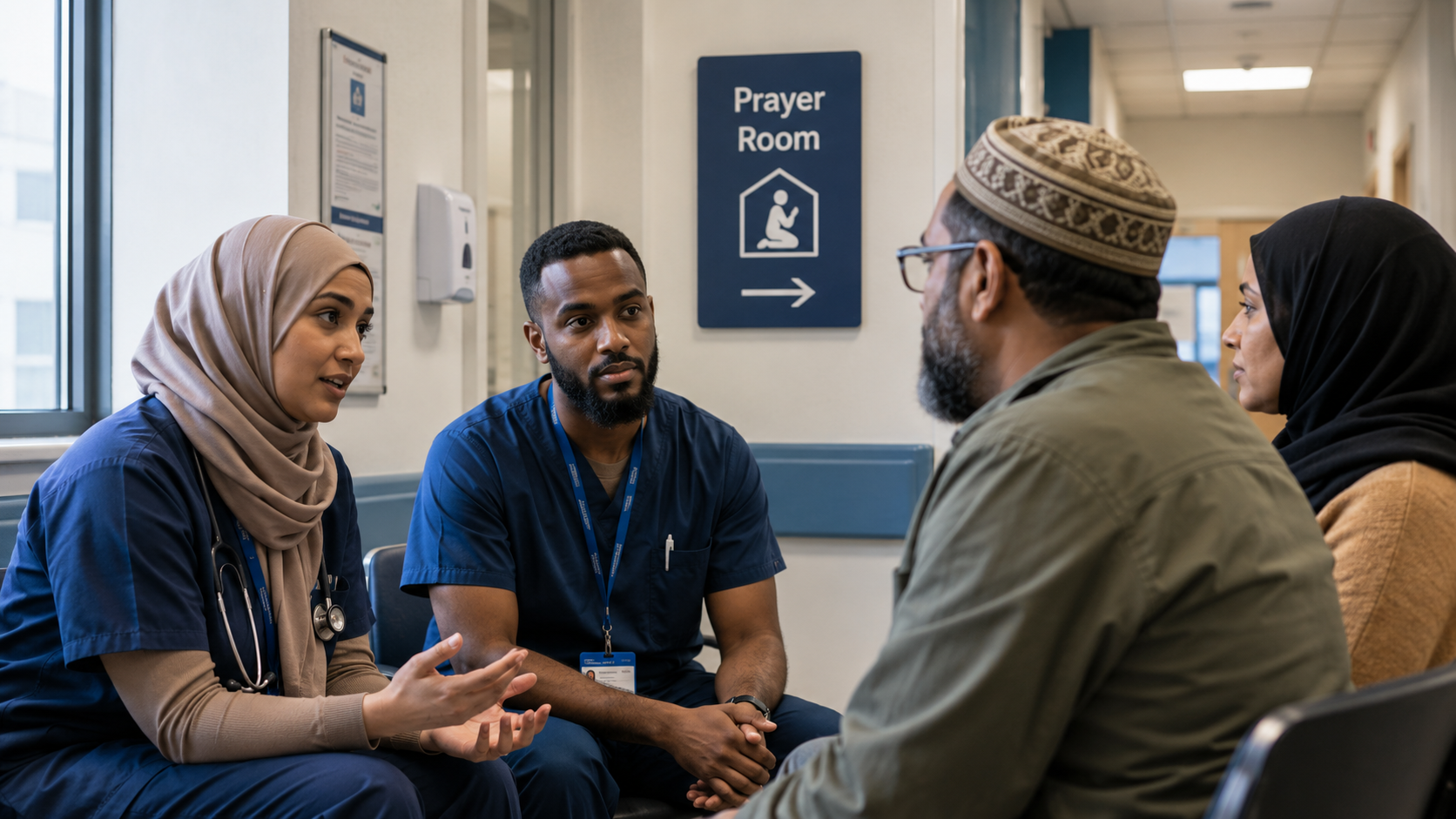
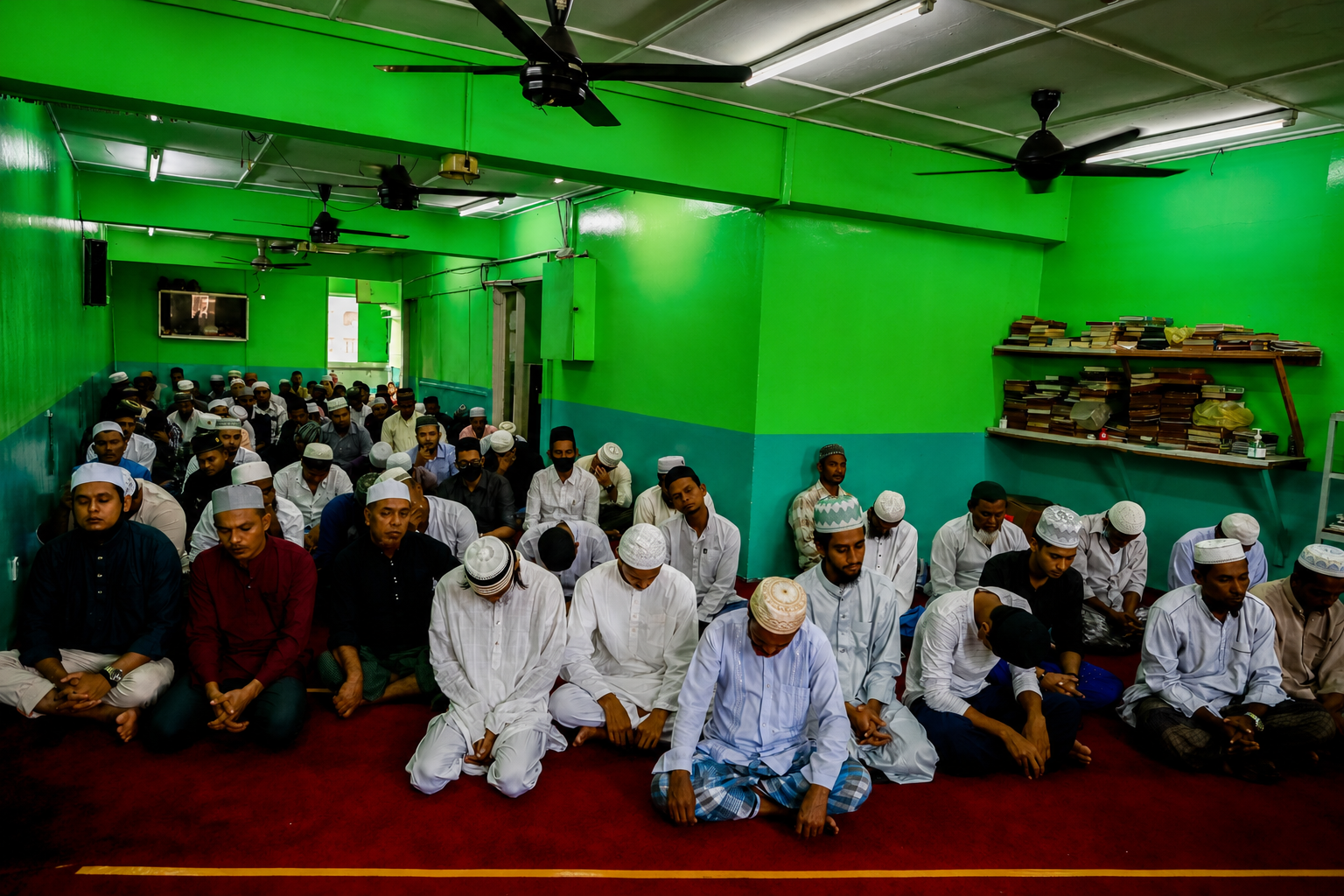
Then there’s the practical negotiation nobody puts in the conference programme. Finding somewhere quiet enough and private enough to pray during a break between sessions that were never scheduled with that in mind. Working out, every single time, whether a modest outfit reads as “appropriately professional” to a room that has a much narrower idea of what professional looks like than it would admit to. Deciding, meal by meal, at dinners built around wine lists and canapés, how much explaining you’re willing to do that evening, and how much you’d simply rather not.
None of this is really about discrimination in the obvious sense. Almost everyone in these spaces is perfectly polite, often genuinely warm. It’s something quieter: the constant, low-grade work of holding a visible identity steady within institutions that were designed, down to the coffee breaks and the dress code assumptions, around a version of “neutral” that was never actually neutral, just familiar to whoever built the room.
What’s changed, gradually, is what happens when you stop trying to minimise the visibility and instead let it do some work. I’ve found that arriving as unmistakably myself, rather than a slightly quieter, more palatable version of myself, tends to shift a room faster than trying to blend into it ever did. People remember the person who didn’t shrink. And there is something quietly useful, even now, in being the reason a panel organiser has to think twice about who they’re inviting next time, and why.
I don’t think the answer is for institutions like these to perform inclusion better, more diverse-looking panels, a prayer room tucked into the conference centre as an afterthought. Those things help, marginally.
The actual shift happens when enough people who look like this simply keep showing up, keep being specialists first, and keep declining to do the extra translation work quietly, until it stops being unusual enough to notice. That’s slower than a policy fix. It’s also the only version of this that actually holds.
I’ve sat in enough of these rooms now to know the discomfort doesn’t fully go away. It just gets easier to carry, and each time, to make it someone else’s discomfort to sit with instead of mine.