Nadine Osman
Bangladeshi workers in Venice have threatened street protests, legal action and strikes over plans for a new mosque after three years of negotiations with authorities, despite reducing the building from five floors to three and removing its dome and minarets.
The community has submitted two proposals for an Islamic centre on the site of a former sawmill on Via della Giustizia in Mestre.
The latest proposal is much smaller than the original and has no dome or minarets. The changes followed requests from former mayor Luigi Brugnaro’s administration, while the community says the building was reduced from five floors to three.
The community also says Brugnaro’s administration identified the site as a possible mosque location.
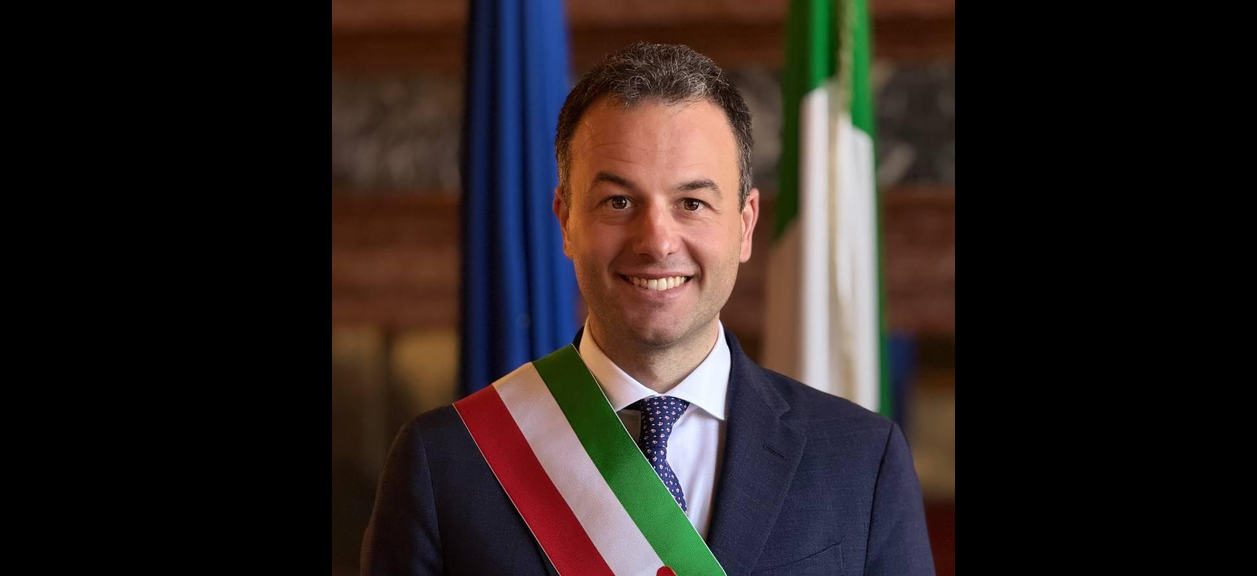
But current Venice Mayor Simone Venturini has rejected the latest plan as still too large.
“It remains an imposing, multi-storey project, a ziggurat,” Venturini said. “It certainly won’t find fertile ground in this administration.”
The dispute escalated on August 26 when Prince Howlader, President of the Bangladeshi Association Giovani per l’Umanità, warned that the community would take to the streets, pursue legal action and appeal to Italian President Sergio Mattarella if the mosque was not approved.
“If they don’t allow us to build our mosque, we are ready to take to the streets,” Howlader said.
He also threatened strike action, saying Bangladeshi workers could disrupt Fincantieri shipyards, restaurants, hotels and other tourism businesses across Venice, Mestre and Marghera.
The proposed Islamic centre would be built on an approximately 8,000 sq m former industrial site the community bought for about €1.5 million.
The land is currently designated for commercial use, so it must be rezoned before a place of worship can be built. This is essential for the project to proceed.
“We bought the Rosso sawmill area on the indication of former mayor Brugnaro,” the project’s supporters said.
Venturini disputes the claim.
“There are no official acts from the municipality,” he said.
Supporters say the proposed centre would serve Muslims across the Venice area, rather than Bangladeshi Muslims alone.
Venturini, a centre-right mayor, insists the dispute is not about Muslims’ right to worship but whether the conditions exist for the project to go ahead.
“Freedom of worship is not in question,” he said.
He has also raised concerns about integration, calling for more Italian-language learning, greater participation by women and better education for children.
“I see more and more women covered by a full veil, with only their eyes uncovered,” he said.
Venturini has also criticised rubbish disposal and the condition of some businesses in areas with large Bangladeshi populations.
His administration says Islamic places of worship should be “sobri” — modest and restrained — and that the community needs to improve integration, especially for women.
The Bangladeshi community rejects claims it has failed to integrate, pointing to its contribution to the local economy and the many Bangladeshis working in tourism, hospitality and industry.
The proposed centre would also include a cultural centre offering Italian-language courses for foreigners.
The threat of industrial action has exposed divisions among Bangladeshi workers.
Some were reluctant to strike because they feared losing wages and tensions with colleagues.
Trade unions have also distanced themselves from the proposal.
“We support freedom of worship, but we are perplexed by the idea of a strike with these characteristics,” said Michele Valentini, Secretary-General of Fiom-CGIL Venice.
The Catholic Church has called for dialogue.
The Patriarchate of Venice urged the parties to “work together to respond to the need for a place of worship while respecting the laws, history and culture of the reality in which we live.”
Rhitu Miah, a Bangladeshi community activist who works on integration and women’s rights, has also called for dialogue with the mayor, stressing the importance of Italian-language education, particularly for women.
The dispute has now reached national politics.
On August 28, Italy’s right-wing League announced a proposed law aimed at preventing new Islamic places of worship from being established until a national framework is put in place. The party also announced that its leader, Matteo Salvini, would visit Venice.
However, no strike has been organised.
The strike threat remains a proposal, not an actual work stoppage. Some representatives are pursuing legal action, while CGIL has questioned the strike.
The Bangladeshi community has meanwhile invited Venturini to meet and discuss the project.
The dispute now centres on whether Venice’s authorities will allow the planning process to move forward and whether further changes will be demanded from the applicants.