Iqbaal Abdi
Uyghur rights advocates have launched a new campaign calling for a boycott of Chinese fast-fashion brands over allegations that Uyghur forced labour is present in their supply chains.
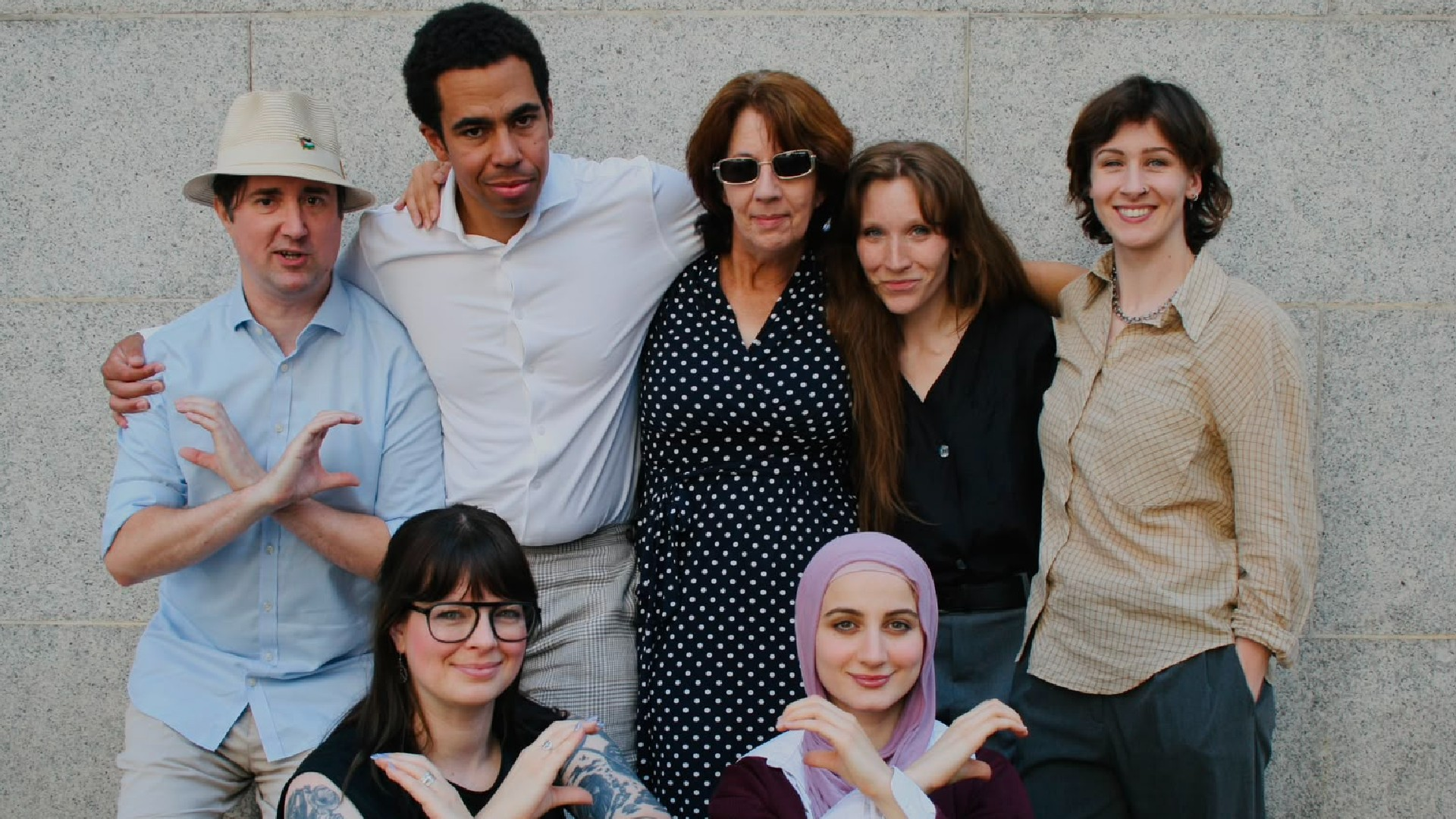
The campaign, called ‘Blood Bargains’, was launched by Stand4Uyghurs during a demonstration outside the Chinese Embassy in London on July 5, marking 17 years since the deadly unrest in Urumqi, the capital of the Xinjiang Uyghur Autonomous Region.
The Urumqi killings took place on July 5, 2009, after protests were held over the deaths of Uyghur workers in the southern Chinese city of Shaoguan, in what became known as the “Shaoguan massacre”. The Shaoguan killing was fuelled by anti-Uyghur racism that incited ethnic violence against the Uyghur by members of the ethnic majority – the Han Chinese. After Uyghur were killed in Shaoguan, demonstrations were held in Xinjiang calling for an investigation into the violence. These protests were crushed by armed forces.
The bodies of innocent civilians “filled the streets of Urumqi,” illustrating the brutality of Chinese policies amid what many governments and organisations describe as the ongoing persecution of Uyghur, according to the organisers.
In the UK, Independent MP Iqbal Mohamed tabled an Early Day Motion marking the anniversary of the Urumqi violence and highlighting the current situation facing Uyghurs.
Mohamed said: “That this House remembers with dismay the events of 5 July 2009 in Urumqi, Xinjiang Uyghur Autonomous Region, in which hundreds were killed and widespread unrest occurred.”
The motion garnered signatures from MPs across different political parties, demonstrating cross-party concern over the issue. However, the UK Government has not announced any new measures to mark the anniversary or address the current situation facing the Uyghur people.
During the demonstration, Stand4Uyghurs described the daily realities faced by Uyghur people in what it characterised as a “campaign of genocide and ethnic cleansing”.
Organisers shared the testimonies of concentration camp survivors, including Balqis, whose husband and child disappeared, and Tamim, whose sister, Zohra, has been forcibly detained. Speakers also highlighted the restrictions Uyghur face in practising their faith and preserving their culture, with policies of erasure implemented across Xinjiang.
Poet and activist Rakaya Fetuga recited a poem connecting different forms of oppression across the Muslim world and the Global Majority. She spoke about how the struggles were interconnected, referring to Sudan and the Democratic Republic of Congo to Palestine and Xinjiang, which she called East Turkistan. She also highlighted the struggle of Uyghur women in detention, including forced sterilisation and forced feeding.
Stand4Uyghur organiser, Maira Khan, announced the Blood Bargains campaign, calling on consumers to boycott cheap, fast-fashion brands that the organisation alleges benefit from the forced labour of Uyghurs.
“Some bargains cost far more than the price printed on the label. The real price may have been the blood of a Muslim forced into these labour camps, separated from their families and stripped of their faith and dignity. This campaign matters because these companies don’t just sell products; they market them specifically to Muslims. They market modest fashion, Ramadan aesthetics and the perfect Eid gift at bargain prices,” Khan said.
She added, “We must be conscious that our savings may be adding to someone else’s suffering. Eighty percent of cotton made in China is made in East Turkistan, and 20 per cent of cotton made in the world is made in East Turkistan. We may not have the power to close these camps today, but we can stop funding them. As Muslims, we should not be comfortable with oppression”.
The campaign comes amid growing scrutiny of fast-fashion supply chains and their potential links to forced labour in China.
In January 2025, UK MPs questioned Shein and Temu executives about whether their products could contain cotton from Xinjiang. Shein said its US-bound products could not contain Chinese cotton to comply with US law, but did not clarify whether the same restriction applied to products sold in the UK.
Human Rights Watch has warned that forced labour can be difficult to trace through complex supply chains, documenting Chinese labour-transfer programmes involving Uyghurs and other Turkic Muslims and the potential for goods linked to forced labour to enter international markets.
The Uyghur Human Rights Project’s June 2026 report, Redirected Risk, further examines the challenges of identifying and eliminating Uyghur forced labour from global supply chains.
Amnesty International has also raised concerns about human rights in the fast-fashion industry, including scrutiny of Shein’s labour practices and supply chains.
Chinese authorities reject allegations of systematic human rights abuses and forced labour in Xinjiang, saying their policies are aimed at combating extremism and promoting economic development.
Iqbaal Abdi, Politics & Internatinal Relations Graduate