Elham Asaad Buaras
Sudan’s paramilitary Rapid Support Forces (RSF) committed war crimes and crimes against humanity during its campaign to seize El Fasher in North Darfur, according to a new report released by Amnesty International this month.
The human rights organisation alleges that the RSF carried out a widespread and systematic campaign of violence against civilians, documenting allegations of murder, torture, rape, enslavement and sexual slavery. It concluded that the scale and nature of the abuses may amount to crimes against humanity under international law.
Amnesty also accused the RSF of deliberately targeting children and persecuting civilians because of their ethnicity, saying evidence gathered during its investigation showed that non-Arab communities were disproportionately affected by attacks in and around El Fasher.
The city fell to the RSF in October 2025 after an 18-month siege, marking the capture of the Sudanese Armed Forces’ (SAF) last major stronghold in the Darfur region. Humanitarian organisations and United Nations investigators have since reported widespread civilian casualties and mass displacement linked to the assault and its aftermath.
The findings echo concerns raised earlier this year by the UN Independent International Fact-Finding Mission, which said the RSF’s actions in El Fasher displayed the “hallmarks of genocide” against non-Arab communities. While the assessment is legally significant, no international court has formally ruled that genocide occurred.
For its latest investigation, Amnesty interviewed 247 people, including 208 survivors from El Fasher and surrounding areas. Researchers also analysed satellite imagery, photographs, videos and other documentary evidence gathered from across North Darfur.
Based on that evidence, the organisation concluded that the RSF committed multiple war crimes between mid-2024 and late 2025. It further alleged that repeated attacks on non-Arab civilians, coupled with derogatory and dehumanising language, amounted to persecution on ethnic grounds – a crime against humanity under international law.
Amnesty also said the destruction of towns and villages, including Abu Zerega, between December 2024 and March 2025 was consistent with ethnic cleansing. Although the term is not a standalone offence under international criminal law, it is widely used to describe the violent removal of an ethnic or religious population from a particular area.
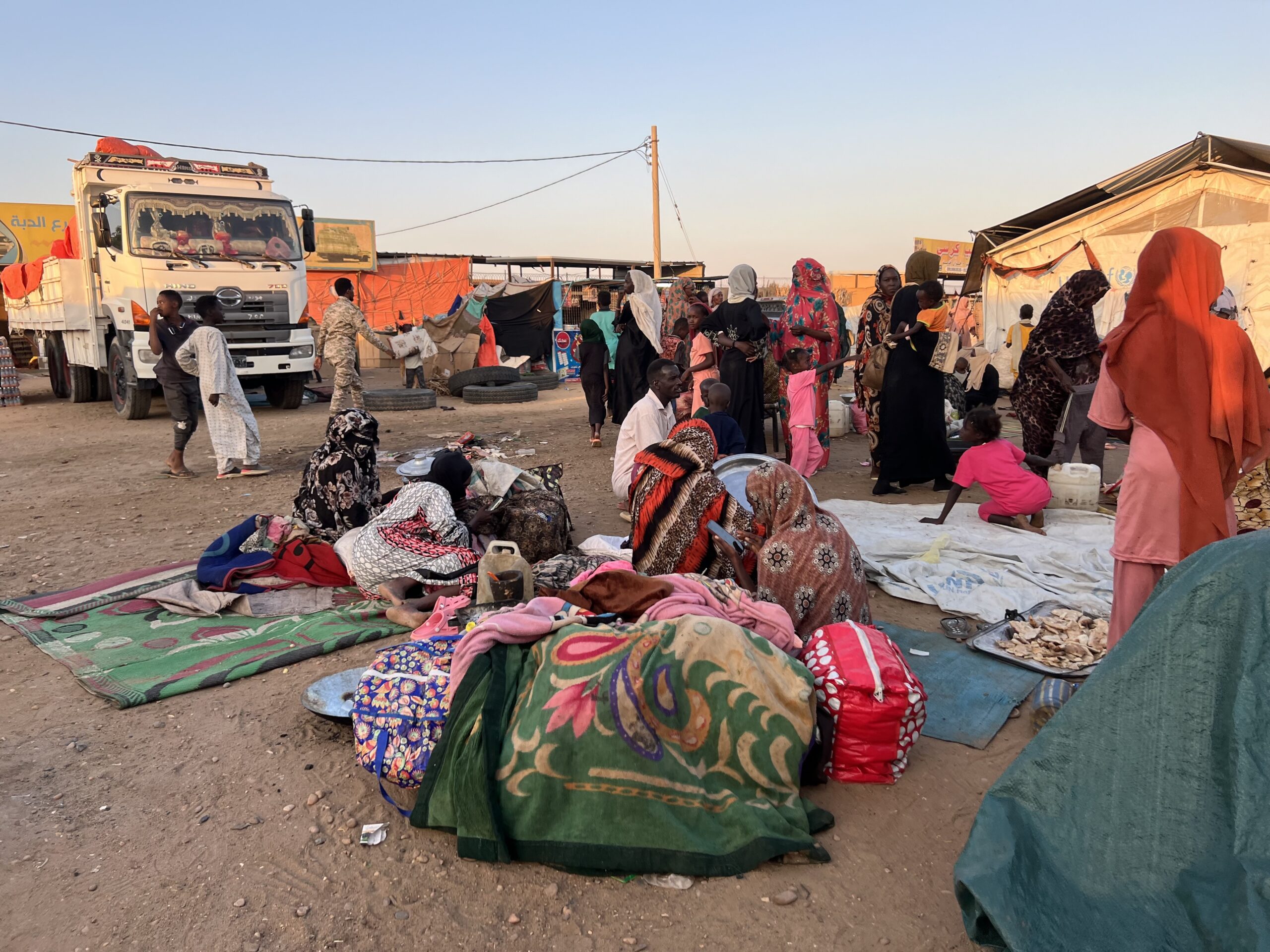
According to the report, the violence left countless children orphaned and forced hundreds of thousands of people to flee their homes, deepening what is already one of the world’s worst humanitarian crises.
“The war in Sudan is a war on civilians,” Amnesty International Secretary General Agnès Callamard said.
“The world was warned of the horrors that civilians in El Fasher confronted as the RSF laid siege to the city.”
The report names three RSF commanders whom Amnesty says may bear responsibility for serious violations of international humanitarian law: Major General Gedo Hamdan Ahmed Mohamed, known as “Abu Shok”; Lieutenant Colonel Abbas Khater Bakhit; and commander Al-Fateh Abdullah Idris, known as “Abu Lulu”.
Sudan has been engulfed in civil war since April 2023, when a power struggle between the Sudanese Armed Forces, led by General Abdel Fattah al-Burhan, and the RSF, commanded by General Mohamed Hamdan Dagalo, better known as Hemedti, erupted into open warfare in the capital, Khartoum.
Since then, the conflict has spiralled into one of the world’s largest humanitarian disasters, with the UN and aid agencies reporting that millions have been displaced and large numbers of civilians killed.
Amnesty called for an immediate ceasefire, stronger international action to protect civilians and accountability for those responsible for alleged violations of international law.