Harun Nasrullah
The UK Government has agreed to meet with the Dawood family to advance efforts to repatriate the remains of two British citizens killed during the 2002 Gujarat pogrom in India. The commitment was secured during a parliamentary session on December 2, offering renewed hope to a long-running campaign for justice and closure.
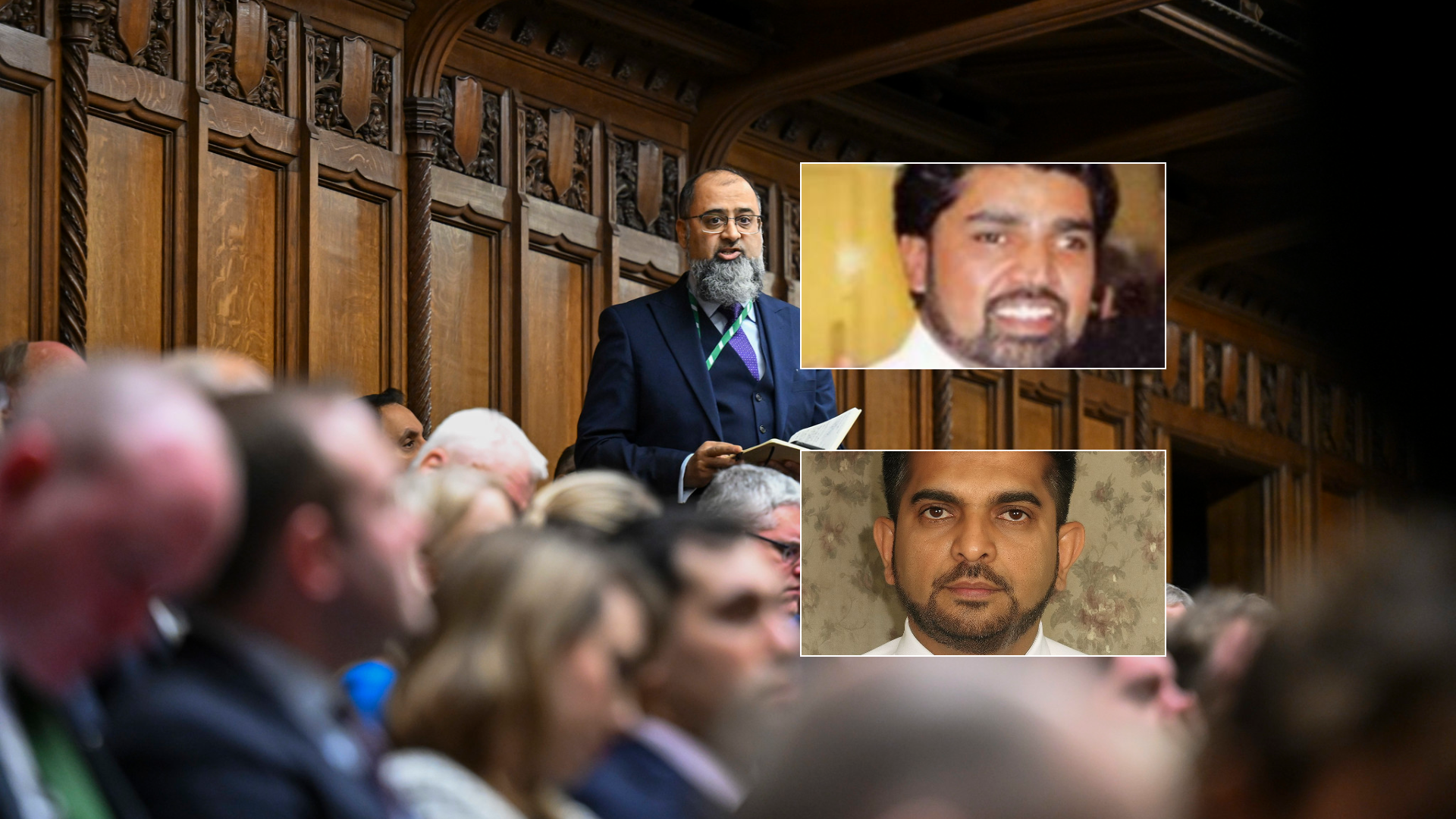
In the House of Commons, Iqbal Mohamed, Independent MP for Dewsbury and Batley, underlined the urgency of the case, “For over 23 years, the Dawood family have sought accountability, and the return of their loved ones’ remains. Previous Labour and Conservative governments supported them through court trials, which concluded earlier this year without justice. The family now deserves direct government assistance to secure what is a basic act of humanity, the repatriation of their family members.”
Brothers Saeed and Sakil Dawood were abducted and murdered in Gujarat in February 2002, while their nephew, Imran Dawood, survived the attack. For more than two decades, the family’s pursuit of accountability and the return of the victims’ remain has been repeatedly obstructed by Indian authorities.
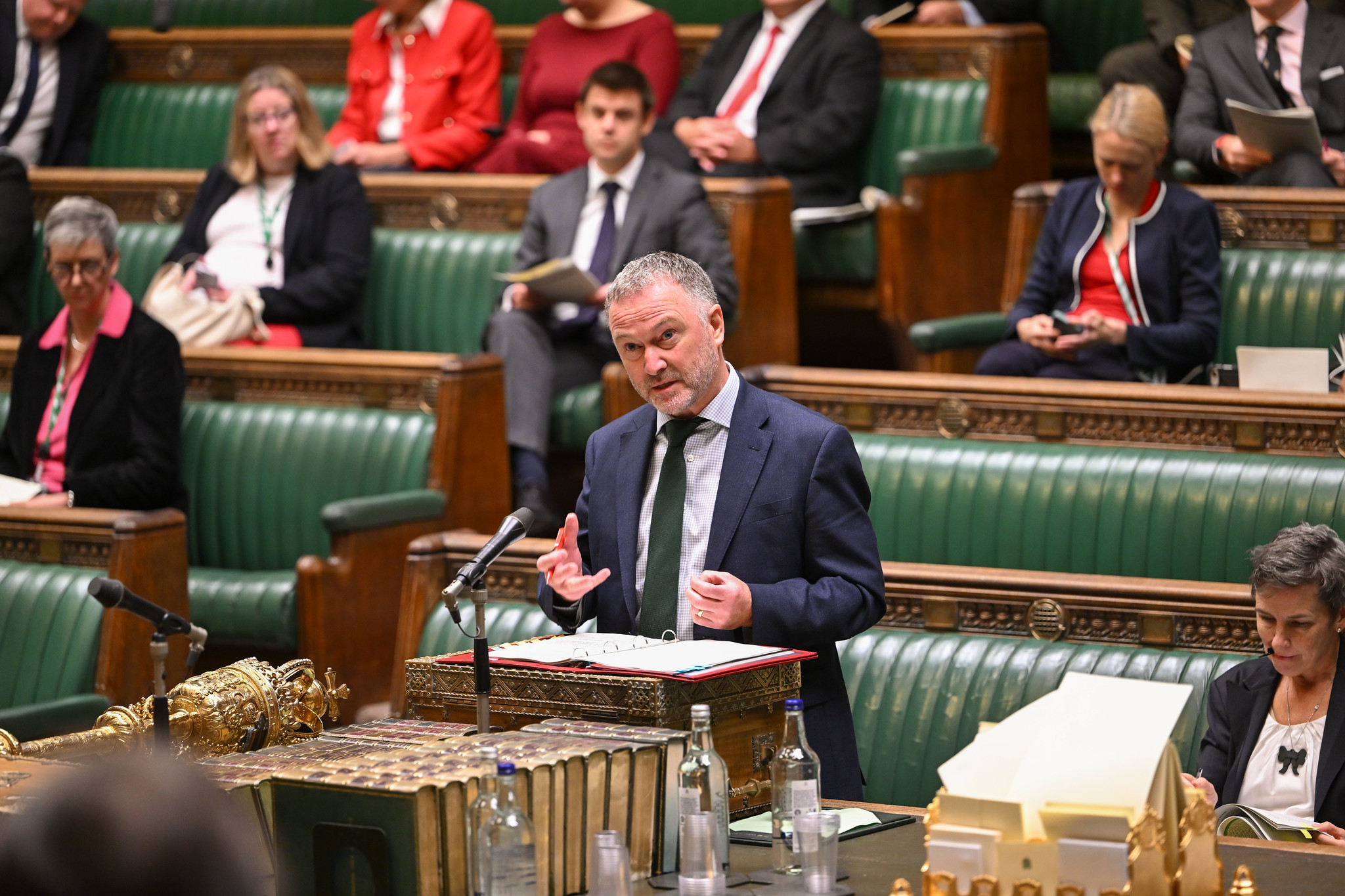
Responding on behalf of the Foreign, Commonwealth and Development Office, Parliamentary Under-Secretary Hamish Falconer acknowledged the family’s prolonged ordeal: “I am deeply saddened that more than two decades after the tragic deaths of Sakil and Saeed Dawood, the family are still waiting for Saeed’s remains to be repatriated. Following the conclusion of the criminal case this year, our consular teams remain fully committed to resolving this matter and continue to raise it with the Indian authorities.”
The Dawood Family Justice Campaign has attracted cross-party political support in the UK, alongside backing from faith leaders and human rights organisations. A parliamentary event convened by Mohamed on 22 October brought together family members, experts, and campaigners to press for action. Imran and Yusuf Dawood, whose experience was featured in the BBC documentary The Modi Question recounted their family’s decades-long struggle for justice.
The 2002 Gujarat pogrom resulted in the deaths of over 2,000 Muslims, widespread destruction of homes and businesses, and numerous documented rapes, according to independent reports. Investigations by groups such as Human Rights Watch have pointed to complicity among local authorities and state actors.
Campaigners stress that the case holds both historical and contemporary relevance. Sheikh Ibrahim Hussain of Southport Mosque cautioned that the same “politics of hate” behind religiously motivated violence abroad also reverberates in the UK, citing last summer’s far-right riots which targeted mosques, migrant communities, and asylum seeker accommodations across 27 towns.
The Dawood family and their supporters continue to call on Indian authorities to conduct a transparent forensic investigation, repatriate the remains, and uphold international human rights standards. A family spokesperson stated, “Our loved ones were murdered abroad, but our pain has never been distant. Justice delayed is justice denied.”
The UK Government’s pledge to meet the family marks a significant step in addressing a two-decade injustice, raising hopes that the long-awaited repatriation may finally bring a measure of closure.