Harun Nasrullah
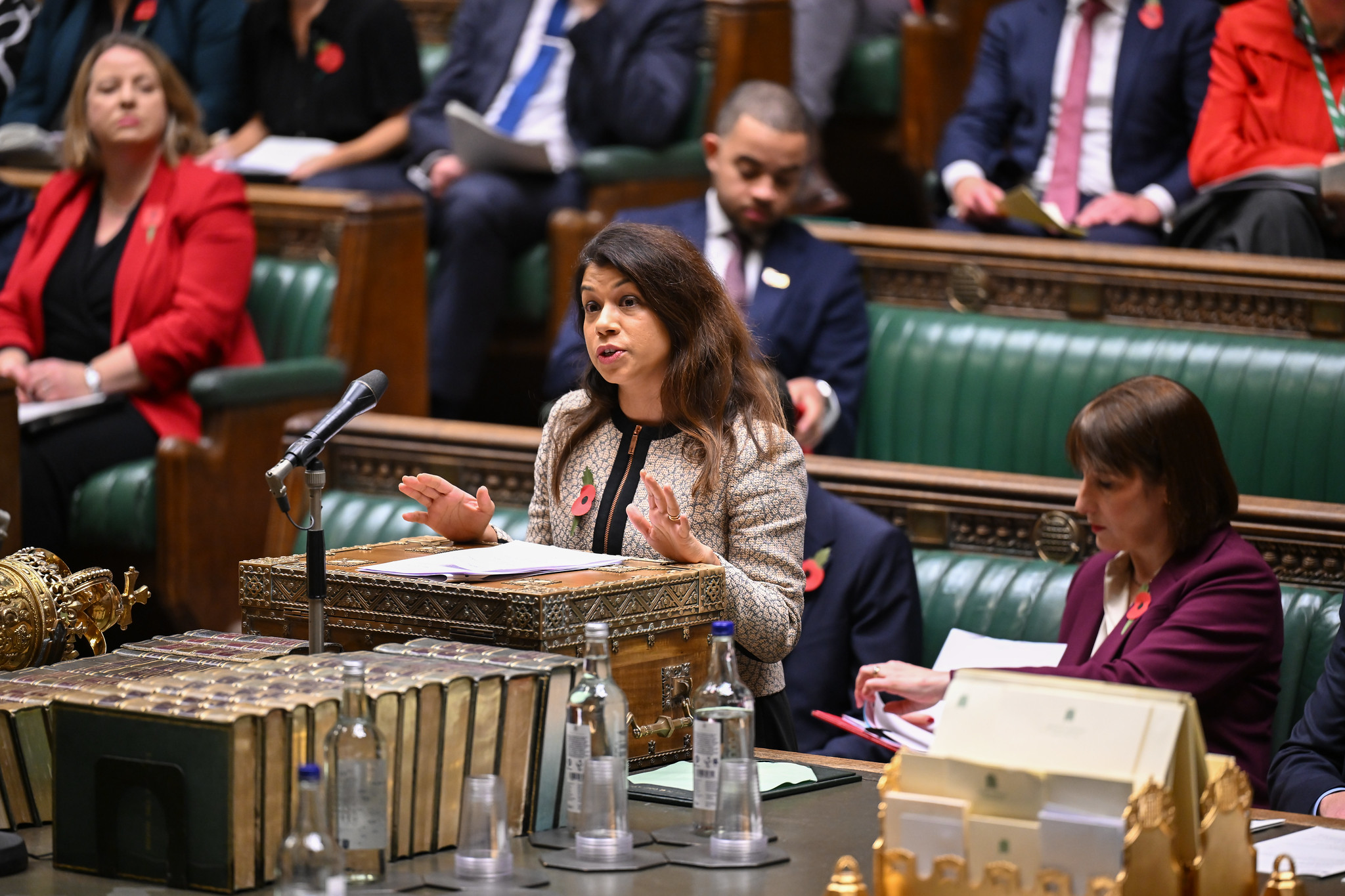
Labour MP and former minister Tulip Siddiq has been sentenced in absentia to two years’ imprisonment by a court in Bangladesh following corruption allegations she strongly denies.
The verdict, delivered on December 1, arises from a case opened in August and forms part of a broader legal campaign targeting relatives and close associates of Bangladesh’s former prime minister, Sheikh Hasina, who was removed from office earlier this year.
Siddiq was convicted alongside 16 others over allegations that she improperly used her political influence to secure a plot of land near Dhaka for members of her immediate family. Judge Rabiul Alam also imposed a fine of 100,000 Bangladeshi taka (£620), with a further six-month custodial sentence to apply in the event of non-payment.
Based in London, Siddiq is not expected to serve the sentence. The UK has no extradition treaty with Bangladesh, and while Bangladeshi authorities issued an arrest warrant, she was not required to return to face proceedings.
Her legal representatives have challenged the court’s jurisdiction, stating that Siddiq has never held a Bangladeshi national identity card or voter registration and has not possessed a Bangladeshi passport since childhood. Bangladesh’s Anti-Corruption Commission, however, prosecuted her on the basis that she remains a citizen, citing previous passport records, an identity number and a tax registration.
A Labour Party spokesperson stated that the party does not recognise the judgement, asserting that Siddiq “has not had access to a fair legal process and has never been informed of the details of the charges against her.” Siddiq retains her party membership and the parliamentary whip, facing no internal disciplinary action.
Concerns over the fairness of the trial have also been raised by senior UK legal figures, including former justice secretary Sir Robert Buckland and former attorney general Dominic Grieve, who have questioned Siddiq’s ability to obtain effective legal representation in Bangladesh.
Siddiq has previously described the allegations as “false and vexatious” but has not commented publicly since the verdict. She continues to face several other cases in Bangladesh, including allegations relating to property transfers and a £3.9bn nuclear power project, all of which she has dismissed as politically motivated.
The ruling comes amid wider legal action against figures linked to Sheikh Hasina, who was recently sentenced to death in a separate case over a deadly crackdown on protests in 2024. Hasina, who denies the charges, is currently in exile in India.
Siddiq resigned from her UK ministerial post in January, saying she did not wish to become a “distraction” because of her familial connection to Hasina. She had previously been cleared of wrongdoing by the prime minister’s ethics adviser.