Elham Asaad Buaras
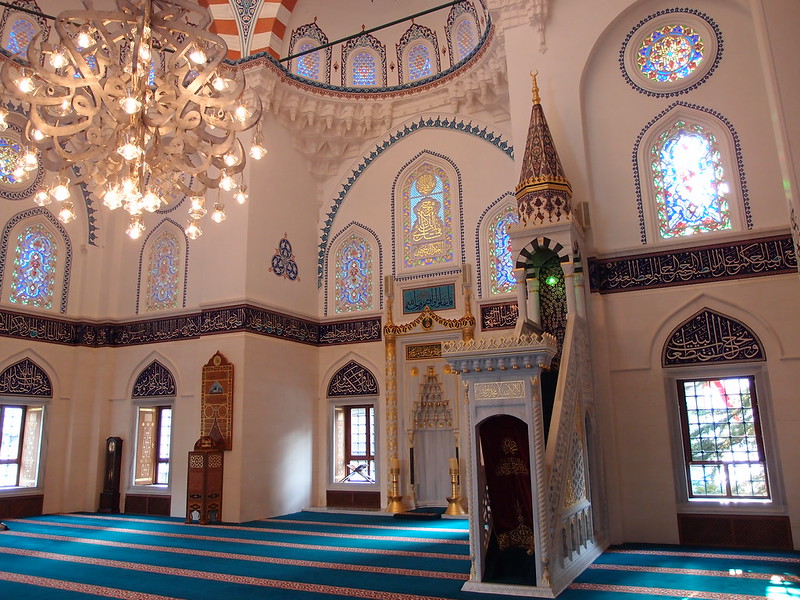
A planned mosque in the Japanese city of Fujisawa has become the centre of a growing anti-Muslim backlash, with more than 32,000 people signing a petition opposing the project despite organisers receiving legal approval for its construction.
The controversy, which emerged in late 2025, has raised concerns among researchers and Muslim community groups that opposition to Islamic institutions in Japan is becoming increasingly organised, fuelled by social media misinformation and political rhetoric targeting immigrants and religious minorities.
The Fujisawa Mosque project became a national talking point after protests were directed at the city government for approving the development. Campaigners claimed the mosque threatened local community life, while online posts spread unverified claims linking mosques to crime and falsely suggesting the site would include a Muslim cemetery.
Researchers said the controversy reflected a wider pattern of growing hostility towards Japan’s Muslim population, which has expanded rapidly in recent years.
Japan is home to an estimated 420,000 Muslims, representing around 0.3 per cent of the country’s population, with approximately 167 mosques nationwide as of 2025. Muslims have been part of Japanese society for more than a century, with the country’s first mosque, Kobe Mosque, established in 1935.
Despite rising numbers, many Muslim communities have worked to build positive relationships with wider Japanese society. Mosques across the country provide community services, organise cultural exchange events, offer free meals to people in need and support disaster relief efforts.
However, opposition to Muslim religious facilities has become increasingly visible, particularly around mosque construction and burial practices.
A major challenge for Japan’s Muslim community is access to burial grounds. Nearly all deaths in Japan are followed by cremation, while Islamic tradition requires burial. Muslim organisations have spent decades seeking dedicated burial spaces, but proposals have often faced resistance from locals concerned about land use and cultural change.
Some Muslim groups have worked with Buddhist monks and local communities to secure cemetery space, allowing access to around 10 burial sites nationwide. However, dedicated Muslim burial facilities remain unavailable in several regions, including Tohoku, Kyushu and Okinawa.
The issue became a national political debate after the Beppu Muslim Association in Oita Prefecture sought approval in 2018 to establish a Muslim cemetery. The proposal later became a local election issue and attracted criticism from right-wing political groups, including members of the Sanseito party, who raised objections to Muslim burial sites in parliamentary speeches and online discussions.
Researchers said the Fujisawa dispute demonstrated how local concerns about migration and diversity can quickly become political flashpoints.
“The objections were fuelled by unverified messages on social media and street campaigns that linked mosques to criminality and framed them as an existential threat to a peaceful and harmonious community,” researchers wrote.
They added that the controversy showed the difficulties created when migration and integration issues are left largely to local authorities without a clear national framework.
Japan’s government has traditionally avoided describing the country as an immigration nation, despite a growing foreign-born population driven by labour shortages and demographic decline.
Researchers argue that Tokyo needs a clearer multicultural policy that recognises immigrants as a permanent part of Japanese society, strengthens protections against hate speech and provides local governments with greater support in managing religious and cultural diversity.
“A coherent national approach to immigration is needed — one which also equips local governments with the knowledge and resources to manage an increasingly diverse population,” researchers said.