Elham Asaad Buaras
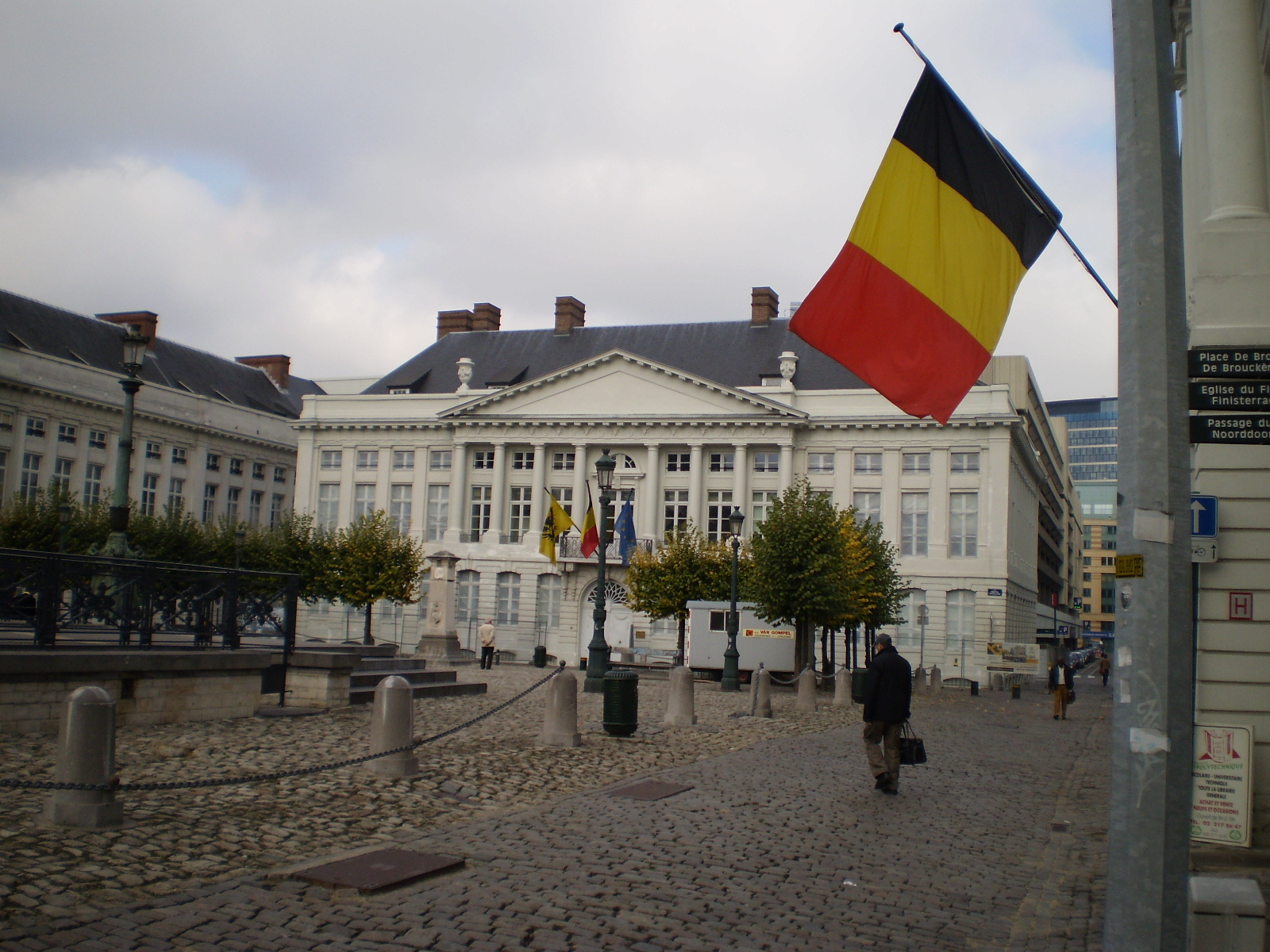
Belgium has approved a ban on imports of goods produced in illegal Israeli settlements in the occupied West Bank, becoming the fourth European country to introduce such a measure.
The Belgian federal government adopted the ban by royal decree after reaching a political agreement during an overnight cabinet meeting on July 18, just before parliament’s summer recess.
The decision to introduce the measure was originally agreed in September 2025, but its implementation was delayed by political disagreements and negotiations. The text of the decree has not yet been made public.
Belgium follows Spain, the Netherlands and Ireland, which have all introduced similar restrictions on imports from Israeli settlements.
Israeli Deputy Foreign Minister Sharren Haskel criticised the decision, saying Belgium had “reached a point of no return”.
“It can continue importing radical Islam. We will continue exporting products from Judea and Samaria to countries that choose to import innovation, quality and technology,” she said, using the Israeli government’s term for the West Bank.
Belgian MP Sam van Rooy also condemned the move, accusing the government of unfairly singling out Israel while ignoring conflicts elsewhere. He argued that the measure would also harm thousands of Palestinians employed in settlement industries.
Human rights organisation Amnesty International welcomed the ban.
Nathalie Janne, advocacy officer for Amnesty International’s French-speaking Belgian section, said the measure was “a step forward” despite being “long overdue and far from perfect”.
She said the decision could increase pressure for similar action across the European Union and called on more countries to take steps against what Amnesty describes as Israel’s illegal occupation of Palestinian territory.
However, some non-governmental organisations criticised the scope of the ban, noting that it applies only to settlements in the West Bank and not to illegal Israeli settlements in the occupied Golan Heights.
Rikkert Horemans, Israel-Palestine policy officer at the Belgian NGO Broederlijk Delen, said there was “no rational argument” for excluding the Golan Heights, arguing that Belgium and the European Union do not recognise Israel’s annexation of the territory.