Dr Claudia Radiven, Lecturer, Sociology and Social Policy, University of Leeds
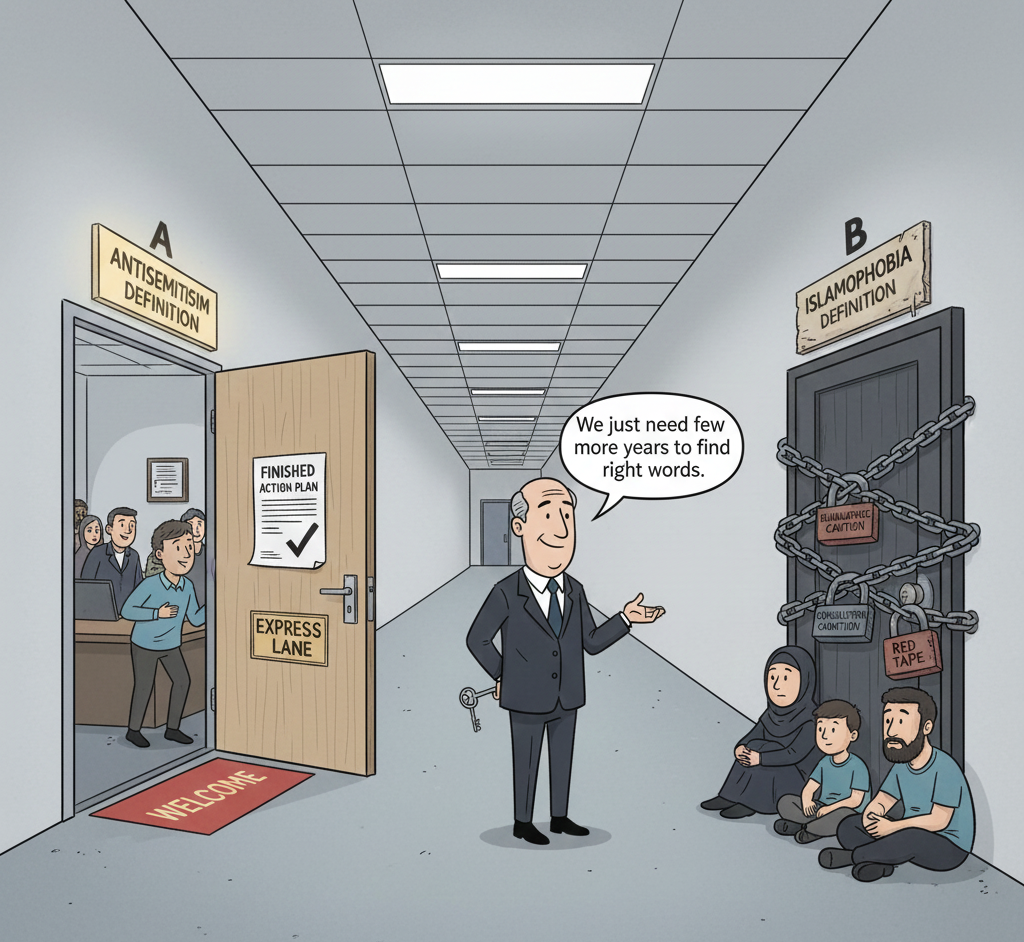
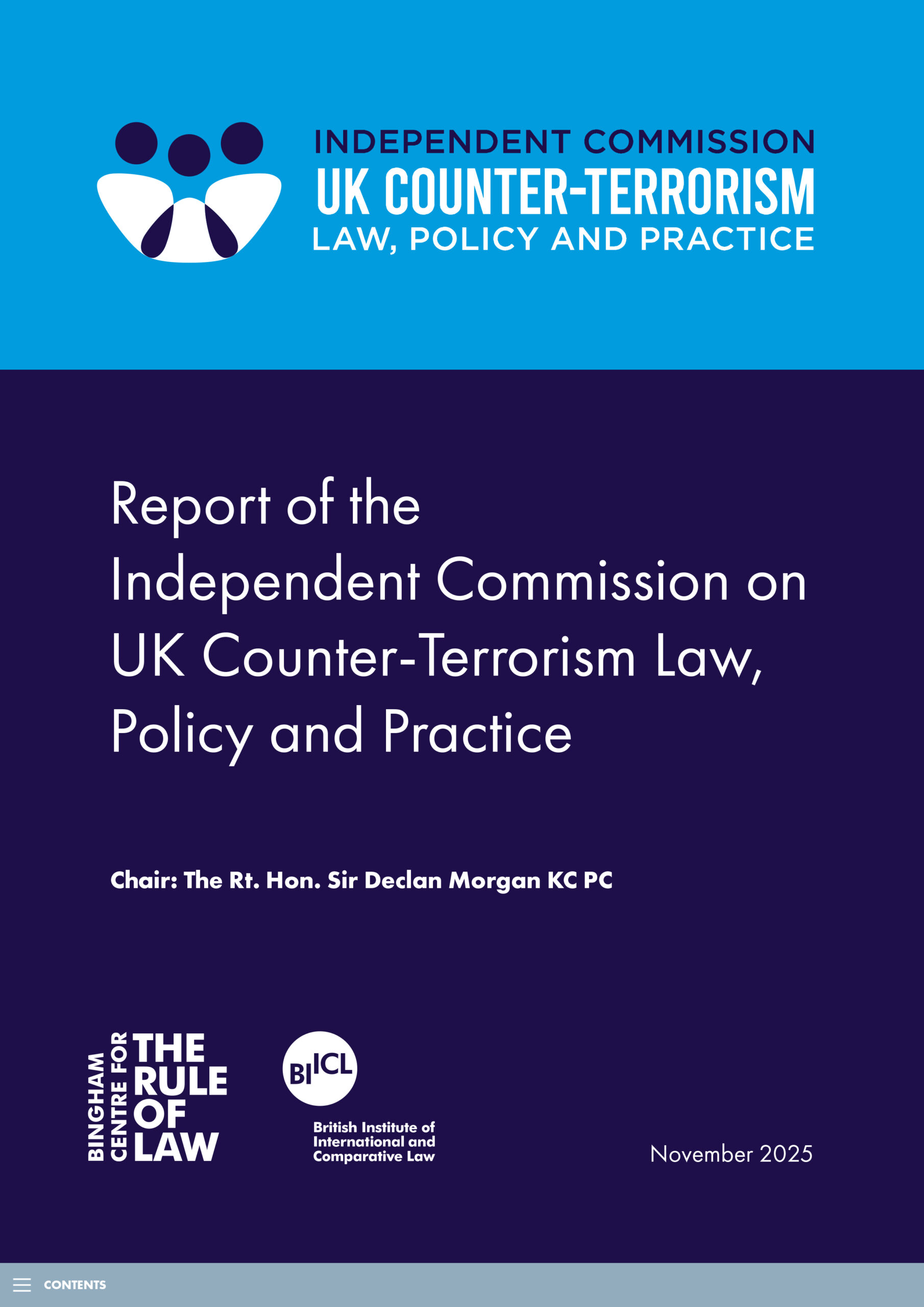
November marks Islamophobia Awareness Month in the UK, during a climate where the Labour government is engaging in more reviews of the Islamophobia definition and whether it should be changed to ‘anti-Muslim hatred/hostility’. It also coincides with the release of another report on counter-terror policy. This encompasses several areas such as revisiting the definition of terrorism, the scope of the Prevent policy and other measures, as well as other regulatory and executive powers such as citizenship deprivation. This report, conducted by the Bingham Centre for The Rule of Law, is made up of a commission of academics, legal professionals, parliamentarians and other stakeholders.
The report goes into detail about the legal and societal ramifications of various aspects of CVE (Countering Violent Extremism) legislation and the parameters of what is considered terrorism. However, much of these points have been made before without there being much meaningful change over the years counter-terror policy has been scrutinised.
The main issues the report addresses are the definition of terrorism, CONTEST (UK Counter-Terrorism Strategy) with a particular focus on reforming the Prevent policy, and more clarity regarding the scrutiny and oversight of the proscription of terrorist organisations.
Prevent has been a polarizing policy, with both staunch critics and loyal defenders having spoken on it since its inception in 2005, following the 7/7 attacks in London. The Bingham report acknowledges many of the criticisms of Prevent including the focus of radicalisation on the individual and lack of acknowledgment of the role of foreign policy (Bingham Centre for The Rule of Law 2025:87) as well as the attention given to non-violent extremism or extremist beliefs (but not behaviours) (ibid 2025:89). Furthermore, it recognizes the faulty logics of Prevent such as the reliance on radicalization theory (ibid 2025:92) and the radicalization model; ERG22+ (Sian 2017:3). It is noteworthy that this model was developed primarily to capture influences and pathways to Islamist extremism and not violent extremism per se (Lloyd & Dean 2015:21).
Many human rights groups and individuals (Prevent Watch, Amnesty International, Liberty, Andy Burnham and others) have called for the Prevent policy to be scrapped due to its reputation as a toxic brand, used as surveillance, that prejudices and stigmatises Muslims. The Bingham report acknowledges these points, however, it still maintains Prevent should be part of a holistic, broader safeguarding approach (Bingham Centre for The Rule of Law 2025:105-6). The report ignores the impact of the focus on British values as a method for judging who is extreme. It also ignores the uneven application of those so-called British values; the way Muslims are judged under this lens compared to incidences of extremism by non-Muslims. This is reflected by specific high profile incidents as well as in Home Office records of referrals (2014-2018 shows majority ‘Islamist’ referrals).
Beginning with the Cantle and Casey reviews the Bingham report speaks on the integration failure, social inequality and the lack of social cohesion that contributes to some of the issues with counter-terror policy. The report highlights that lack of trust in the ‘political classes’ has considerable impact on this referring to a number of cases including Michael Gove, David Cameron and the so-called independent reviewer of Prevent, William Shawcross (Ibid 2025: 120-129). Highlighting the prejudicial attitudes of those in the political class is an important step in recognising their detrimental impact on social cohesion. However, the report could go further to recognise the rampant Islamophobia in mainstream media (MCB 2018) and other institutions such as the police which make up civil society.
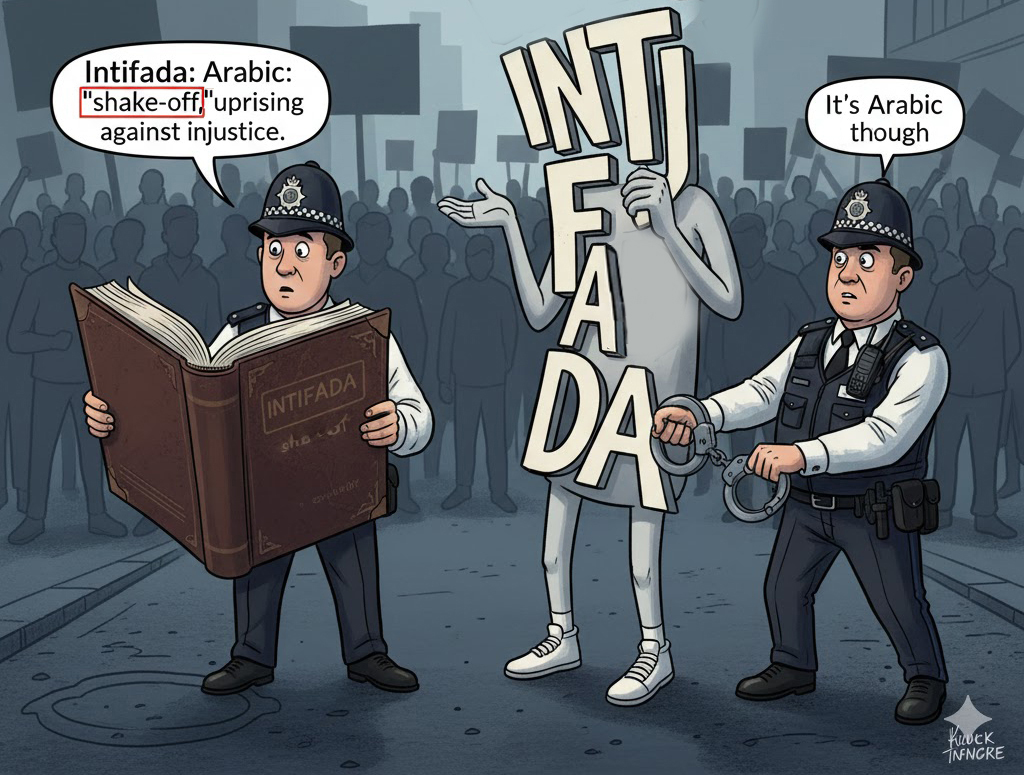
The critique of the definition reveals a similar pattern to the assessment of Prevent. There is acknowledgement of the history of the term ‘terrorism’, originating during the French revolution and later being used to describe those who resisted colonial power (Bingham Centre for The Rule of Law 2025:58-9). The report emphasises the importance of a clear definition, not least for how it also impacts the issue of proscription (designating a group/individual as terrorist). This is a particularly important point given the recent proscription of the non-violent direct-action group, Palestine Action. This proscription has been met with outrage, legal challenges and persistent protests.
The current definition is considered in this report as being too broad and having a ‘chilling effect’ on free speech (ibid 2025:62). Furthermore, the actions of states which would fit into the definition in terms of actions would not be considered as such within the definition (ibid 2025:59). Therefore, state violence against its citizens would not qualify as terrorism. This reinforces the position that terrorism is decided by those with power who then have the facility to wield it against factions of society they find inconvenient, as was done during the period of decolonisation.
This is one more aspect of the current status quo that the report acknowledges but does very little to address in real terms. It states Prevent should remain but be subject to some amendments. The definition should be adjusted, but the problems at the heart of it would remain and therefore so would the abuses of its powers. The Islamophobia and racism at the heart of the application of terror powers and legislation are still prevalent. However, acknowledgement is not resolution.
Image: Report of the Independent Commission on UK Counter-Terrorism Law, Policy and Practice. (Credit: Bingham Centre for The Rule of Law.)