Harun Nasrullah
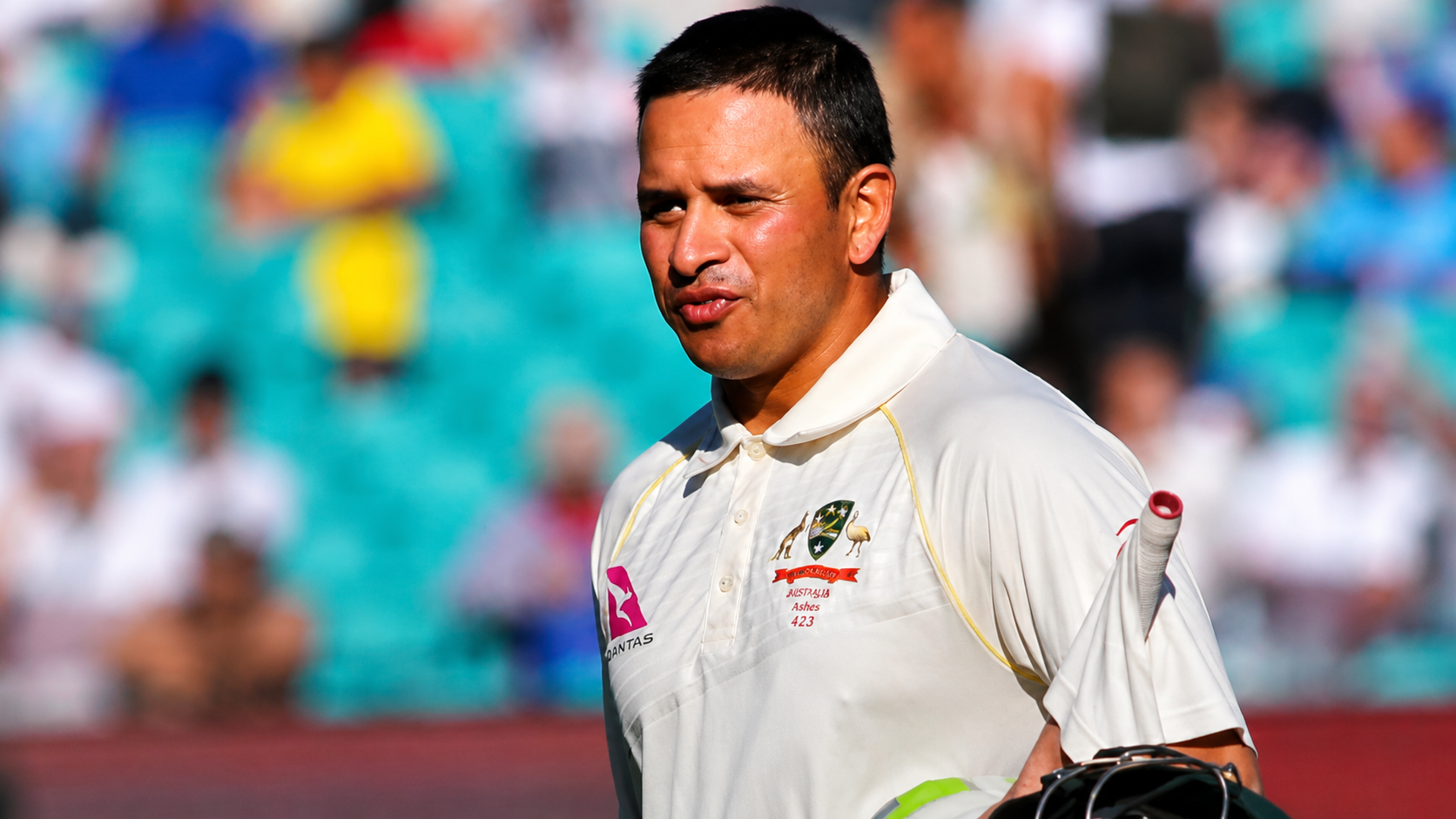
Australia’s former Test cricketer Usman Khawaja has supported a new national campaign aimed at raising awareness of Islamophobia and encouraging people to report incidents of anti-Muslim behaviour.
The initiative, launched on June 29 by the Office of the Special Envoy to Combat Islamophobia, is designed to “call out” discriminatory behaviour and support victims across workplaces, public spaces and online.
Khawaja, 39, who retired from international cricket in January after a 15-year career, is among the most high-profile supporters of the campaign.
He was the first Muslim to represent Australia in Test cricket, playing 88 Tests and 40 one-day internationals.
Speaking at the launch event in Melbourne, Khawaja said the issue of Islamophobia had become increasingly visible in recent years and had affected both him and his family.
He cited an incident during the 2024 Boxing Day Test at the Melbourne Cricket Ground, when his mother was verbally abused while watching from the stands.
“She had a couple of guys come up to her and start yelling into her ear and she was pretty shocked by the experience,” he said.
“Funnily enough, those two individuals were Australian supporters. They were doing that to an Australian — a fellow Australian.”
Khawaja said the experience reflected a broader pattern of discrimination, particularly affecting Muslim women.
“If I walk down the street, I can get away with it. If you look at me, you don’t really see too much,” he said.
“But women who wear hijabs are targets right now, because they wear their religion on their sleeves.”
The campaign, developed with Special Envoy Aftab Malik, encourages bystanders to report incidents of Islamophobia and support victims.
A video released alongside the launch says discrimination can occur “at work, online, while shopping, in the places we feel safe”, and argues that reporting incidents can help drive systemic change.
Malik said incidents of Islamophobia were increasing and warned against what he described as harmful political rhetoric.
He criticised anti-Muslim messaging from political figures, including One Nation leader Pauline Hanson, describing such discourse as “stereotypical, damaging and dangerous”.
“We have an understanding that what is reported is just the tip of the iceberg,” he said. “We are deeply concerned and something needs to be done.”
Malik also urged the federal government to act more quickly on recommendations from a recent report into Islamophobia, warning against waiting for a major violent incident before responding.
Khawaja, who contributed to the report, said he had often felt like an outsider during parts of his cricket career due to his religious background, although he said experiences had improved in recent years.
“I’ve experienced Islamophobia since I was a kid in lots of different, varying ways,” he said.
“I think hate right now is more prevalent than it has been before, not just in terms of Islamophobia, but in general.”
After the Melbourne launch, the campaign is expected to roll out across other Australian states and territories. Officials say reported incidents of Islamophobia have increased significantly in recent years, particularly following high-profile violent incidents and heightened online activity.