International Affairs Correspondent
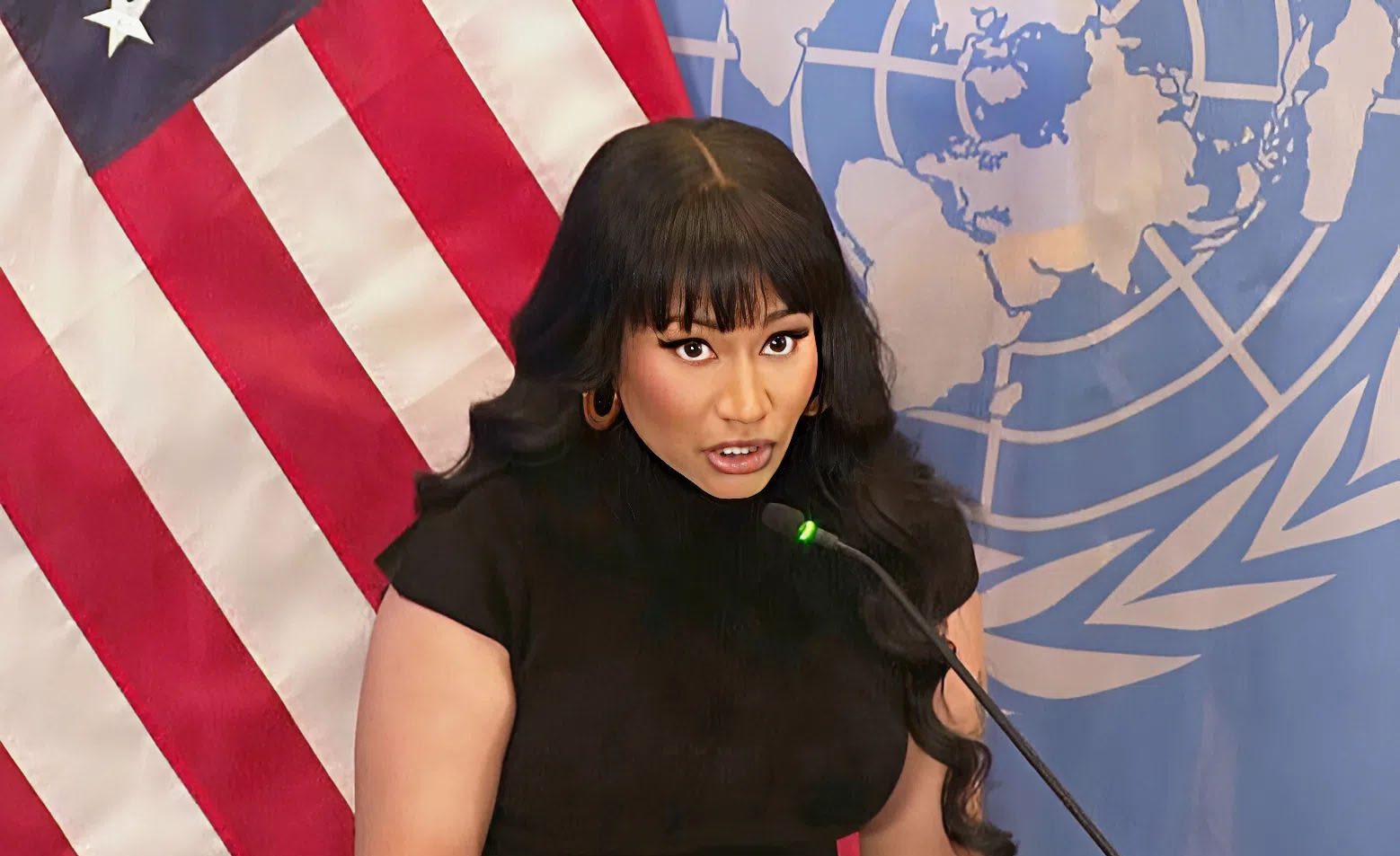
American rapper and pop star Nicki Minaj used a platform at the UN Headquarters to amplify unsubstantiated claims of systematic Christian persecution in Nigeria, echoing language long championed by US President Donald Trump. Her four-minute address, delivered on November 18, has drawn firm rebuttals from Nigerian experts and civil society groups who warn that such assertions dangerously distort the country’s complex security landscape.
Minaj told the audience, “Today, faith is under attack in way too many places in Nigeria. Christians are being targeted, driven from their homes, and killed.” She went on to thank Trump for what she described as his “leadership on the global stage” in calling for action.
However, specialists and officials on the ground say the narrative she presented bears little resemblance to reality. In a recent Al Jazeera op-ed, Gimba Kakanda, a senior aide to Nigeria’s president, stressed that “every region of Nigeria has both Christians and Muslims living side by side, and conflicts typically unfold along community or regional lines rather than strictly religious ones.”
His assessment is echoed by Nigerian Islamic organisations. In a statement issued on November 11, the Conference of Islamic Organisations (CIO) rejected what it called a “false narrative,” insisting that Nigeria’s security challenges “affect all Nigerians (Muslims, Christians, and others alike).”
Minaj’s appearance at the UN was facilitated by Trump adviser Alex Bruesewitz and followed a panel discussion titled “Combating Religious Violence and the Killing of Christians in Nigeria.” It also aligns with the rapper’s increasingly vocal support for Trump’s political movement, which has included amplifying content from his official channels.
Her political alignment has not been without controversy. On November 5, she shared a video applauded by Trump supporters but condemned by critics as xenophobic and transphobic. The backlash reportedly cost her more than 100,000 social media followers.
The CIO, in its statement, went further by warning of the risks posed by foreign actors adopting such narratives. It declared that the organisation stands “unequivocally against any plan by the United States or any foreign power to intervene militarily in our internal affairs.”
Conflict researchers also caution against oversimplifying Nigeria’s violence as a one-sided religious war. Data from groups such as the Armed Conflict Location & Event Data Project (ACLED) show that insecurity in the country is driven by a blend of ethnic tensions, resource competition, separatist militancy, and criminal banditry. Bulama Bukarti, a Nigerian conflict researcher and human rights lawyer, told ABC News that the violence is “indiscriminate.”
Yet the simplified persecution narrative continues to shape segments of US political discourse. On September 11, Senator Ted Cruz introduced legislation focusing exclusively on the plight of Nigerian Christians, while Trump has repeatedly threatened military action in the country.
Minaj ended her UN remarks by framing her intervention as a moral stand. “It’s about what I’ve always stood for my entire career,” she said. “I will care if anyone anywhere is being persecuted for their beliefs.”
But within Nigeria, a broad consensus paints a different picture: one of a shared national crisis affecting citizens of all faiths, and deep scepticism toward external narratives that risk inflaming tensions and undermining local efforts to restore security.
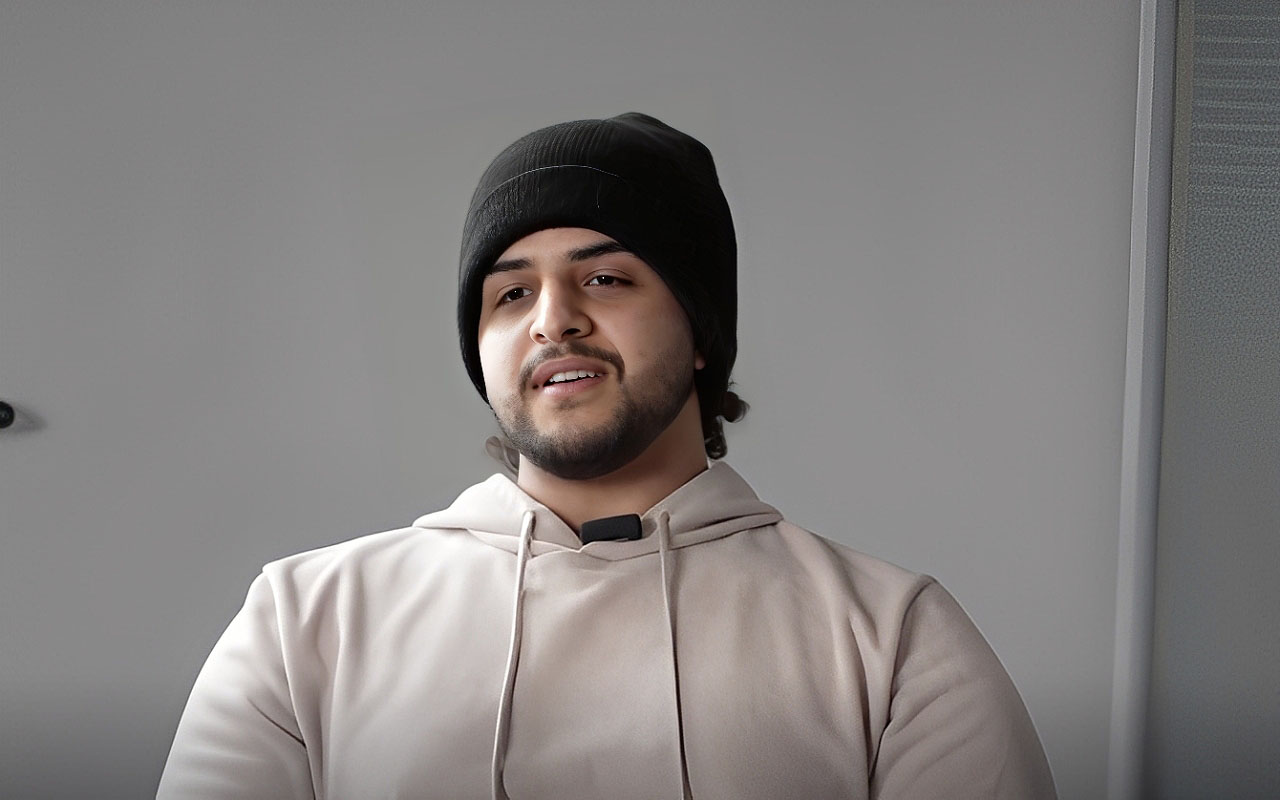
Feature photo: Nicki Minaj speaking at the UN, where she repeated unsubstantiated claims of systematic Christian persecution in Nigeria (Credit: UN/YouTube Screengrab)