Elham Asaad Buaras
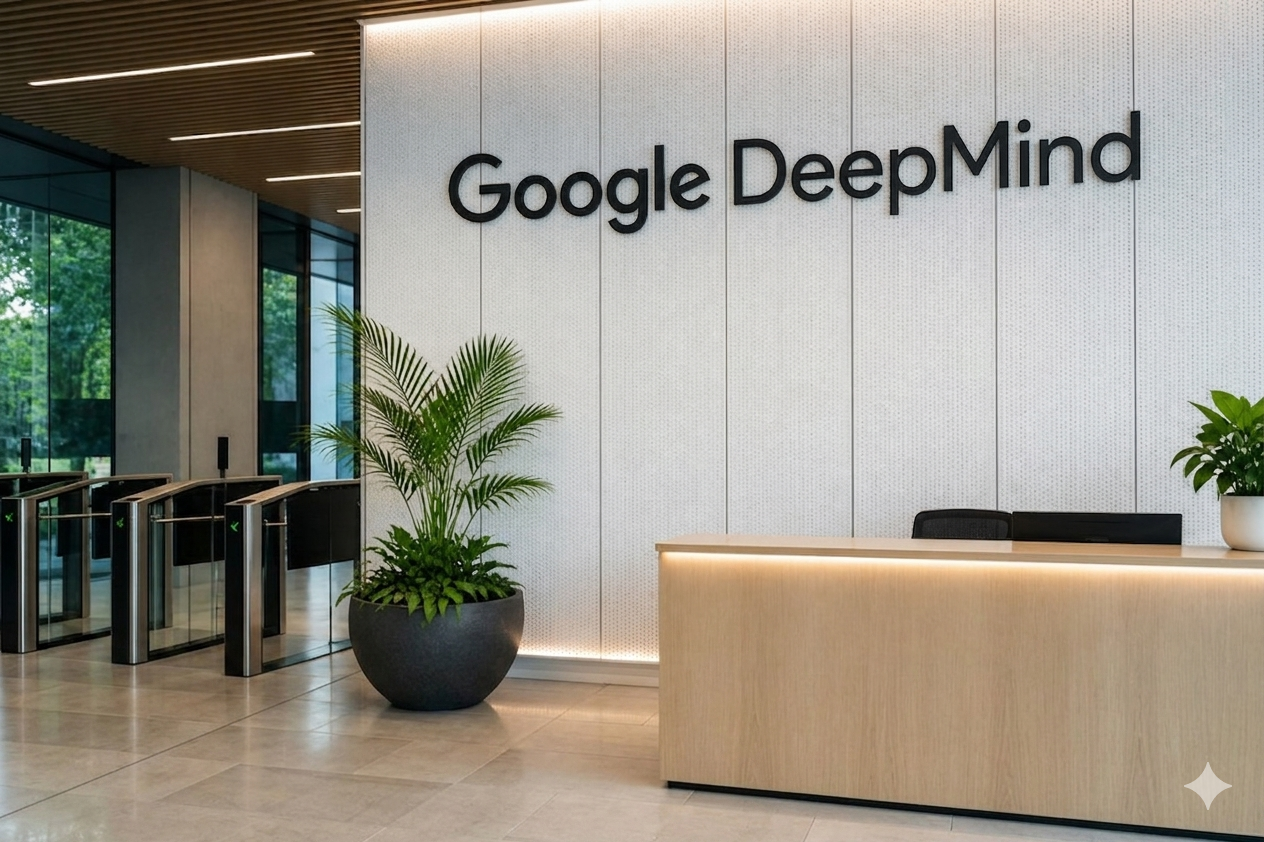
Employees working on Google’s artificial intelligence products in Britain have moved to unionise, citing alarm over the tech giant’s expanding defence partnerships and the potential use of AI in warfare.
In a letter sent to management on May 5, workers at Google DeepMind called for formal recognition of the Communication Workers Union and Unite the Union as joint representatives for the company’s UK workforce.
The campaign intensified after the Pentagon announced on May 1 that it had signed agreements with seven leading AI firms — including Google, OpenAI and Microsoft — aimed at transforming the US military into what it described as an “AI-first fighting force”.
One employee criticised what they described as the US’s “capricious Iran war” and pointed to tensions between the Trump administration and AI company Anthropic as evidence that the Department of Defense could not be trusted with advanced AI research. Staff concerns have also been fuelled by Google’s involvement in Project Nimbus, a $1.2 billion cloud-computing deal signed with the Israeli government in 2021, which some workers believe has linked the company to Israel’s military operations in Gaza.
Another worker said they felt a moral responsibility to act because technology developed by the company had assisted the Israeli military, arguing that artificial intelligence should serve humanity rather than contribute to what they described as genocide.
The unionisation push marks a landmark moment in the AI sector, with DeepMind employees becoming the first workers at a major “frontier” AI laboratory to seek formal union recognition. The movement represents more than 1,000 staff members across Europe and North America.
The dispute follows Google’s decision earlier this year to abandon its longstanding commitment not to develop AI for military purposes, a policy introduced in 2018 after widespread internal backlash against the company’s involvement in Project Maven, a Pentagon drone initiative.
Although the latest Pentagon agreement contains non-binding assurances aimed at preventing the use of AI for autonomous weapons systems or mass surveillance, employees remain unconvinced. Workers argue the deal still gives Google no authority to block “lawful” military operations carried out using its technology.
Union organisers are now pressing company leadership to adopt stricter safeguards, including a commitment not to create technology designed to cause direct harm, the establishment of an independent ethics oversight body, and the right for employees to refuse work on projects that conflict with their moral beliefs.
If those demands are rejected, some workers are reportedly considering “research strikes” — withholding meaningful work on flagship products such as the Gemini AI chatbot while continuing minor maintenance tasks to avoid immediate detection.
The growing unrest reflects wider tensions across the technology industry. Earlier this month, 600 Google employees signed a letter to chief executive Sundar Pichai calling for greater accountability, while a coalition of shareholders managing $2.2 billion in assets recently demanded increased transparency over the company’s AI and defence activities.