Elham Asaad Buaras
Ten municipalities in the Netherlands have been fined a combined €250,000 (around £214,000) after authorities ruled that they unlawfully carried out years of covert surveillance on Muslim residents.
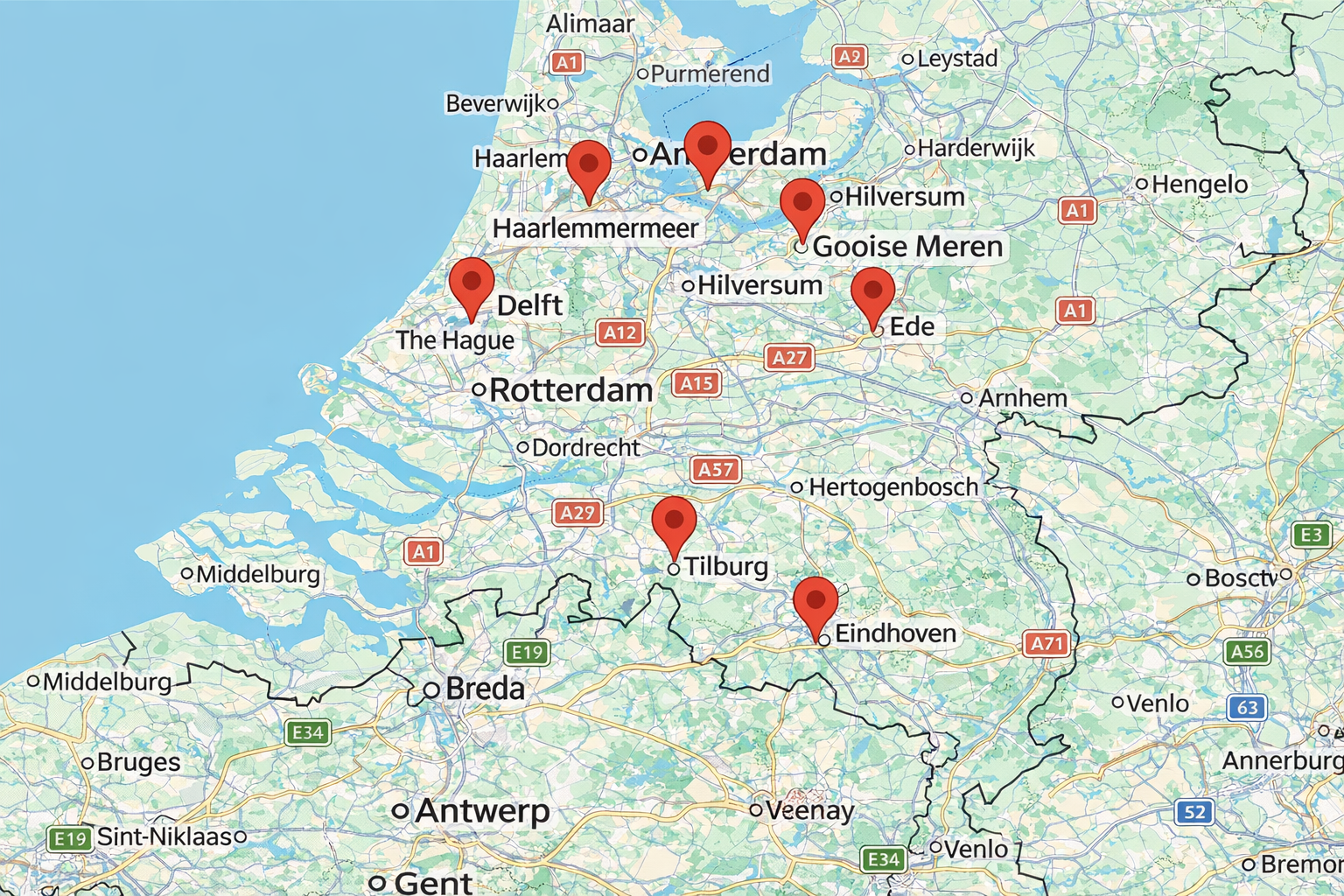
The Dutch Data Protection Authority found that local governments in Eindhoven, Tilburg, Zoetermeer, Delft, Ede, Haarlemmermeer, Hilversum, Veenendaal, Huizen and Gooise Meren had secretly commissioned private research firms to investigate mosques, Muslim organisations and individual worshippers, without their knowledge or any legal justification.
Each municipality was fined roughly £21,000 for breaching Dutch privacy legislation and the European Union’s General Data Protection Regulation (GDPR).
According to the regulator, the municipalities tasked external agencies with monitoring mosque activities, tracking attendance and compiling detailed reports on Muslim communities. These investigations mapped social, family and religious networks, recorded names and religious beliefs, and in some cases produced extensive personal profiles, including identifiable photographs.
Some of the data was shared with the police and the National Coordinator for Counterterrorism and Security (NCTV), which at the time was headed by Dick Schoof, now the Dutch Prime Minister.
Local authorities said the research formed part of counter-radicalisation efforts during a period of heightened security concern. However, the data protection watchdog concluded that the surveillance was unlawful, disproportionate and carried out without any valid legal basis.
Under Dutch and EU law, information relating to religion and political views is classified as special-category personal data and may only be processed under strict conditions. The authority said these conditions were “clearly not met”.
Aleid Wolfsen, Chair of the Dutch Data Protection Authority, said the municipalities had “no legal grounds whatsoever” to hold the information they collected. He added that the privacy of those affected had been “seriously violated” and warned that such practices had undermined trust in local government.
Municipalities that still possess the reports are now only permitted to use them to assist individuals seeking compensation. Once claims are resolved, the data must be destroyed. Failure to comply could lead to further penalties of up to €25,000 per breach, with overall fines potentially reaching the GDPR maximum.
The covert surveillance was first brought to light in 2021, when Dutch newspaper NRC revealed that several councils had quietly commissioned private firms to monitor Muslim communities. The disclosures prompted widespread criticism, legal challenges and a national debate over privacy, state surveillance and the treatment of religious minorities.
Subsequent court rulings, including a case involving the municipality of Veenendaal, found that such secret investigations violated fundamental privacy rights.
Following the latest ruling, several municipalities, including Huizen and Delft, issued public apologies, acknowledging that their actions had intruded into residents’ private lives. Muslim organisations welcomed the fines but said they did not go far enough.
A coalition of mosque associations, including the K9 mosque umbrella group, has called for formal apologies not only from the municipalities involved but also from the national government.
In a joint statement, Muslim representatives said the surveillance amounted to discrimination and undermined freedom of religion. “Worshippers were treated as security risks simply because of their religious identity,” one mosque group said, adding that the monitoring had damaged trust between Muslim communities and public authorities.
Community leaders stressed that confidence could not be restored through apologies alone. “You cannot build trust while spying on people in their place of worship,” one statement said, calling for binding safeguards to ensure such practices are never repeated.
The case comes amid wider concerns about Islamophobia and discrimination in the Netherlands. Surveys and academic research suggest that around half of Dutch Muslims report experiencing discrimination — a figure higher than the EU average — particularly in employment, housing and everyday life.
Community reports have also highlighted the prevalence of hate speech, profiling and prejudice, especially in urban areas. Critics argue that political debates around immigration, integration and security have at times fuelled suspicion towards Muslim communities, reinforcing negative stereotypes.
Civil liberties groups say the fines represent more than an administrative penalty, describing the ruling as a clear rebuke of state overreach. They argue it highlights the tension between counter-radicalisation policies and fundamental rights, and serves as a warning that security measures must not override the rule of law.
For many Muslims in the Netherlands, the decision is seen as long-overdue recognition of wrongdoing — and a test of whether public authorities are prepared to rebuild trust through transparency, accountability and equal treatment, rather than surveillance.
(Map: OpenAI/The Muslim News)