Elham Asaad Buaras
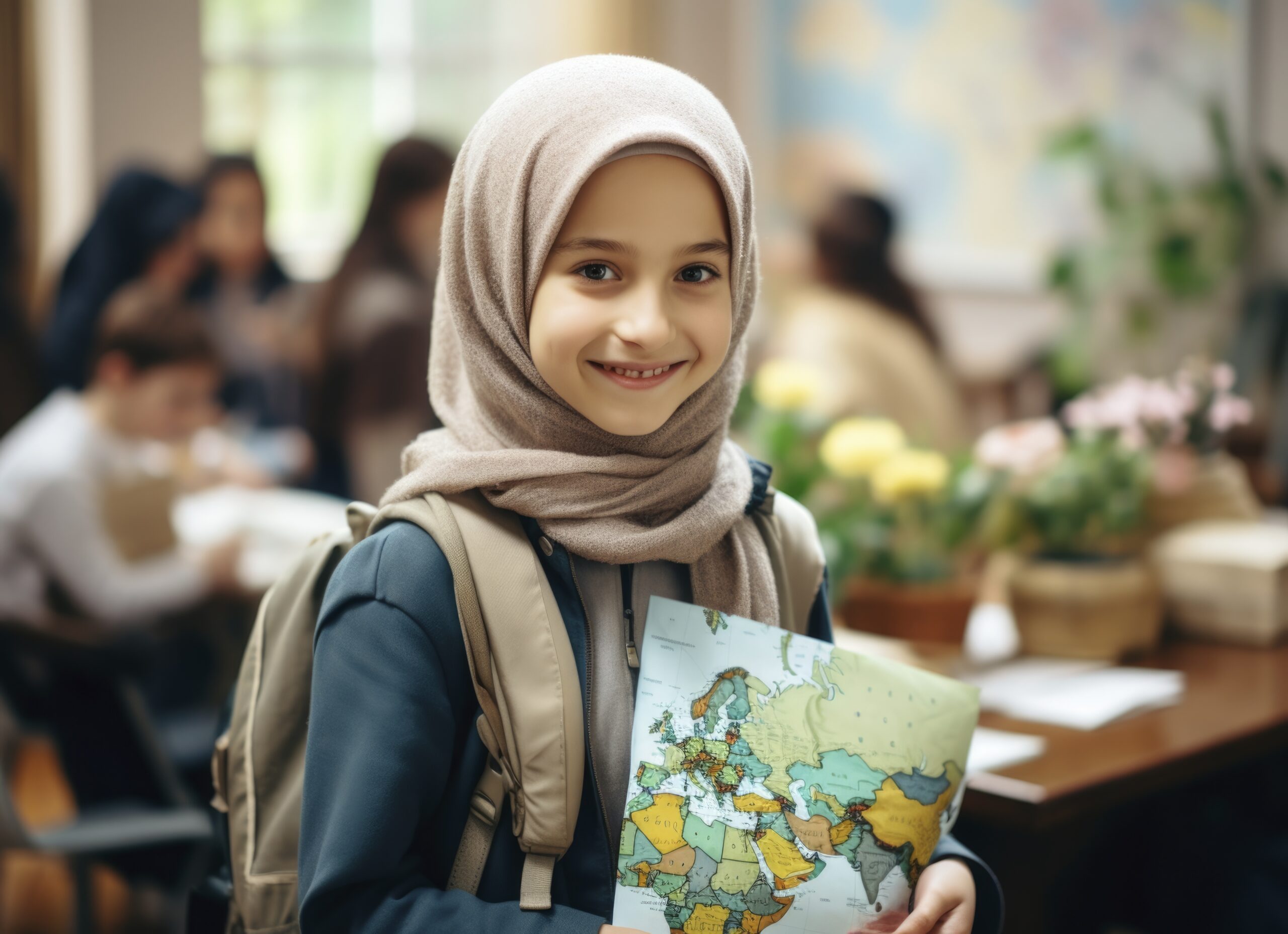
The Swiss region of Aargau, a northern area bordering Germany where Muslims comprise roughly 5–7 per cent of the population, has rejected a proposal to ban the hijab and other conspicuous religious symbols in primary schools. Announced on 27 February, the decision underscores the enduring legal and constitutional constraints surrounding restrictions on religious dress.
The motion, tabled by members of the regional parliament from the FDP, EDU, SVP and Die Mitte, was framed as an effort to protect schoolgirls from what its supporters described as “religious coercion.” Yet Aargau’s authorities cautioned that a full ban would be “very likely unconstitutional based on current practice” and would constitute a “serious encroachment on freedom of belief and conscience.”
Officials pointed to a 2015 ruling by the Swiss Federal Supreme Court, which held that public interests, including maintaining state neutrality, promoting integration in schools, or ensuring gender equality, do not justify blanket restrictions on religious attire. Targeting only girls, they added, could clash with anti-discrimination law, potentially sparking lengthy legal battles and substantial costs for the region.
Despite rejecting the ban, the authorities acknowledged the concerns behind the motion. Supporters argued that, for some girls, the headscarf may be “not a symbol of freedom but an expression of subordination, discrimination and coercion.” In response, Aargau plans to explore non-legislative measures, issuing guidelines or recommendations for schools to address these issues without imposing a total prohibition.
The regional government also declined a separate proposal to bar conspicuous religious symbols for public sector staff, citing similar constitutional challenges, though officials said the matter would be examined further through a postulate, a formal parliamentary request to investigate complex legal questions.
Local reporting in Aargauer Zeitung and other regional outlets highlights that the motion reflects broader political currents. Right-leaning parties, frustrated by the federal government’s refusal to restrict headscarves nationally, have sought to act at the cantonal level, arguing that neutrality in schools and the protection of children require clearer rules. Similar debates have emerged in other cantons, including St. Gallen, where disputes over teachers wearing headscarves have inflamed public discourse.
Switzerland’s federal system grants its 26 regions considerable autonomy over education, healthcare, policing, and local legislation. Regional parliaments, constitutions, and executive councils operate independently but remain bound by the Swiss Federal Constitution, which enshrines protections for freedom of religion and safeguards against discrimination.
The issue of headscarves in schools sits within a broader European context, where several countries, including France and Belgium, have introduced restrictions on religious dress in public education, often citing secularism and gender equality. Switzerland, by contrast, has consistently maintained that any blanket prohibition targeting girls would likely violate constitutional protections.
While headscarves remain a regional matter, Switzerland’s national approach to face coverings is different. In March 2021, voters approved a nationwide ban on face coverings such as niqabs and burqas in public spaces, with exceptions for medical masks, helmets, and certain protective gear. There is, however, no national ban on the hijab, and Federal Supreme Court rulings have repeatedly signalled that blanket restrictions in schools are likely unconstitutional.
The Aargau decision, while a legal and political compromise, underscores a persistent tension: balancing freedom of belief, gender equality, and state neutrality in increasingly diverse classrooms. As debates over religious symbols continue across Switzerland, regions will need to navigate public sentiment, constitutional safeguards, and the lived realities of Muslim students in their schools.
Feature image by freepik