Home Affairs Correspondent
Reform UK’s London mayoral candidate has triggered widespread condemnation after suggesting police should stop and search women wearing the niqab or burqa in the capital, prompting warnings that the proposal is discriminatory and risks fuelling anti-Muslim hostility.
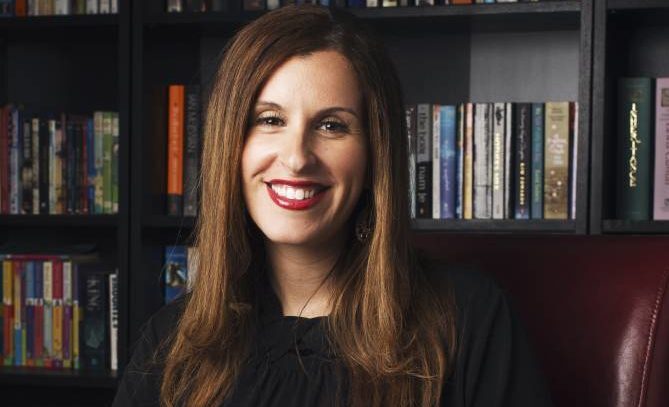
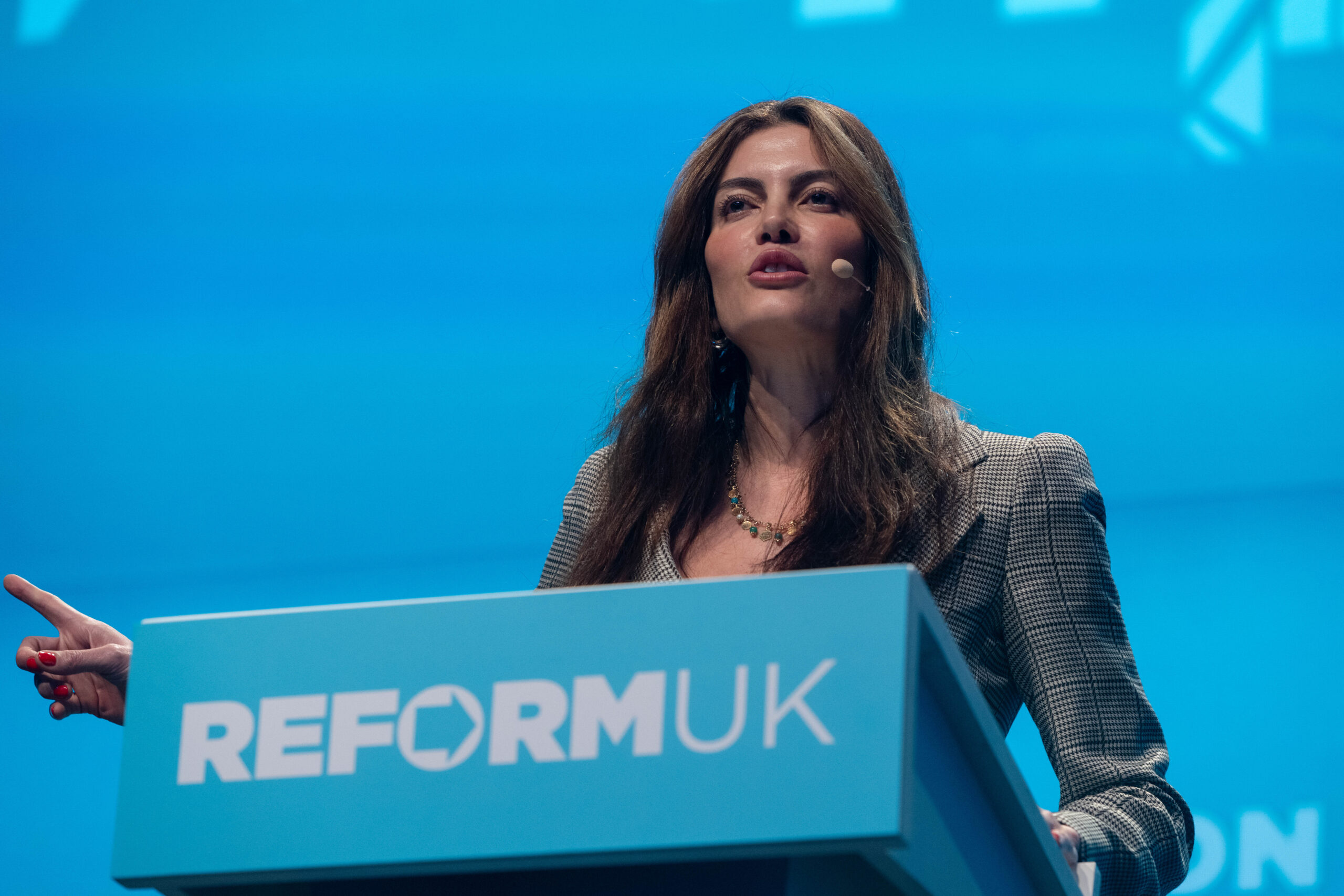
Laila Cunningham, 49, Reform UK’s newly announced candidate for the 2028 London mayoral election and a Westminster City councillor, made the remarks in interviews with The Standard podcast and The Telegraph, arguing that face coverings should automatically attract police scrutiny on security grounds.
“If you’re hiding your face, you have to be assumed to be hiding it for a criminal reason,” she said, according to excerpts circulated online.
Cunningham went further, vowing to “give orders to the police that any face coverings are a reason for stop and search”, adding, “You shouldn’t cover your face.”
Her comments prompted a swift rebuke from London Mayor Sir Sadiq Khan, who said the proposal was offensive and incompatible with London’s values.
Responding to Cunningham’s remarks, Sir Sadiq told ITV News London, “I would never dream of telling a woman how to dress, nor would I think that’s a reason to arrest them or charge them with anything.”
He added, “The idea you can stop and search somebody because of the clothes they wear, or their God worship, I think all English people, all decent English people, all British people, all Londoners would find it offensive.”
Sir Sadiq continued, “What I will say is one of the joys about London is our diversity. For me it’s a strength and not a weakness.”
Cunningham, who is herself Muslim, also claimed that Islamic dress had transformed parts of the capital, saying some areas “feel like a Muslim city” due to the visibility of religious clothing and non-English signage. She argued Britain should have “one civic culture”, which she described as British.
Referring to the hijab and niqab, she said, “That’s not religion. There’s nowhere in the Koran that says you have to cover your face or cover your hair. It says you have to be modest.”
She added, “Where covering your hair and the burka comes is Wahhabism in Saudi. And these are very extreme traditions. In the Middle East, before the extreme Muslim takeover of it, people were in bikinis in Iran and Egypt. It wasn’t like it is today.”
Muslim advocacy organisations and civil liberties groups warned that the proposal would legitimise racial and religious profiling and place Muslim women at greater risk of harassment and violence.
Baroness Shaista Gohir, Chief Executive of the Muslim Women’s Network UK, described the remarks as dangerous, warning they could embolden abuse against visibly Muslim women. She said, “This kind of rhetoric is dangerous. It legitimises discrimination and sends a message to Muslim women that they do not belong.”
Labour MP Dawn Butler also condemned the proposal, saying, “London is built on freedom, fairness and respect, not profiling people because of their faith or appearance.”
Labour MP Afzal Khan described Cunningham’s remarks as politically motivated, calling them “a deliberate and cynical ploy”, and warning: “This is all about divisive ideas being pumped into society deliberately for electoral benefits.”
He pointed to research showing that Boris Johnson’s past comments comparing veiled Muslim women to letterboxes were followed by a surge in anti-Muslim attacks and incidents of abuse.
“There are consequences for the words that politicians use,” Khan said. “What anyone wears is no business of the state or of politicians. Individuals have the freedom to choose.”
Stop-and-search powers in England and Wales are governed by strict legal thresholds, and campaigners have long criticised their disproportionate use against ethnic minorities. Legal experts have repeatedly warned that using clothing or religious expression as grounds for police suspicion would be unlawful.
Cunningham, a former Crown Prosecution Service prosecutor, was elected to Westminster City Council in 2022 as a Conservative before defecting to Reform UK in June 2025, citing dissatisfaction with Conservative policies on immigration and taxation. She has previously said she has faced Islamophobic abuse but would only report it if it involved a direct threat.
Born in London to Egyptian parents who migrated to Britain in the 1960s, Cunningham has previously expressed support for banning the niqab in the capital and has promised an “all-out war on crime” if elected mayor, including issuing “new marching orders” to the Metropolitan Police to “tackle crime that matters”.
Her remarks come amid renewed political debate over face coverings. Reform UK leader Nigel Farage has previously said Britain should debate restrictions on face coverings, though the party has not adopted a formal policy on the niqab.
Reform UK’s head of policy, Zia Yusuf, briefly resigned from the party in June last year after describing Reform MP Sarah Pochin’s question to the Prime Minister about banning the niqab as “dumb”. He returned to the party 48 hours later, saying the comment was made in “error” and adding, “If there were a vote and I was in Parliament, I would probably vote to ban it (the burka).”
In October, then Shadow Justice Secretary Robert Jenrick said there was “a strong argument” for preventing women from wearing the niqab and that he would “probably” support a ban.
Responding at the time, a Downing Street spokesperson said, “Everyone has the legal right to freedom of religion, and this includes the right to wear religious attire except where limitations are proscribed by law for specific limited purposes.”
As campaigning for the 2028 London mayoral election begins to take shape, Cunningham’s remarks have sharpened concerns among community leaders that inflammatory rhetoric could further inflame tensions in an already polarised political climate.
Photo: Reform UK candidate for the 2028 London mayoral election Laila Cunningham speaks during a party rally in London on January 9, 2026, at the ICC Auditorium. (Credit: Thomas Krych/AA)