Home Affairs Correspondent
Survivors of a massacre in Myanmar’s Rakhine State in which hundreds of Rohingya Muslims were killed by the Arakan Army remain unable to return home two years later and continue to face severe restrictions, Human Rights Watch said on May 18.
In a 56-page report titled “Skeletons and Skulls Scattered Everywhere: Arakan Army Massacre of Rohingya Muslims in Hoyyar Siri, Myanmar,” the rights group accused the ethnic armed organisation of committing grave violations of the laws of war during an attack on Hoyyar Siri village in Buthidaung township on May 2, 2024.
Human Rights Watch said Arakan Army fighters deliberately opened fire on unarmed civilians attempting to flee fighting near two Myanmar military bases, killing and wounding hundreds before burning the village to the ground. The organisation described the killings as potential war crimes.
“The Arakan Army’s murder of hundreds of Rohingya civilians and the burning of their village in Rakhine State in 2024 took the armed conflict with Myanmar’s junta to a new level of depravity,” said Meenakshi Ganguly, deputy Asia director at Human Rights Watch.
“Today, the massacre’s survivors are effectively detained by the Arakan Army, which has neither provided redress nor held those responsible to account,” she added.
The Arakan Army has denied targeting civilians and rejected allegations that its forces committed war crimes, saying its fighters only targeted military personnel and members of Rohingya armed groups.
Human Rights Watch said it interviewed dozens of survivors and witnesses, corroborated testimony through satellite imagery and verified photographs and videos from the scene.
According to the report, some villagers waved white flags as they attempted to flee Hoyyar Siri, but fighters still opened fire.
“One of my sons was hit first,” one survivor told investigators. “Then my wife and baby daughter were shot, followed by my other daughter.”
Another survivor said villagers were gathered in a paddy field near a mosque before fighters opened fire without warning.
“Within minutes they opened fire at us randomly, without saying anything,” the woman said. “No one was spared.”
Human Rights Watch compiled a list of more than 170 villagers who were killed or remain missing after the attack, including around 90 children, though it said the true death toll was likely higher.
The report also documented allegations of torture, robbery and abductions. Survivors said fighters stole jewellery, money and mobile phones from fleeing civilians, while detainees reported severe beatings and electric shocks during interrogation.
Several witnesses alleged that Rohingya women and girls were abducted during the assault.
Satellite imagery reviewed by Human Rights Watch appeared to confirm witness accounts that Hoyyar Siri was systematically burned after the Arakan Army seized control of the area.
The rights group said surviving residents were later forced into a makeshift camp nearby under tight restrictions. Rohingya who later escaped to Bangladesh told investigators they were denied freedom of movement, subjected to forced labour and faced severe shortages of food and medical care.
Some survivors also alleged they were pressured into giving false testimony during a media visit organised by the Arakan Army in August 2025 to deny responsibility for the killings.
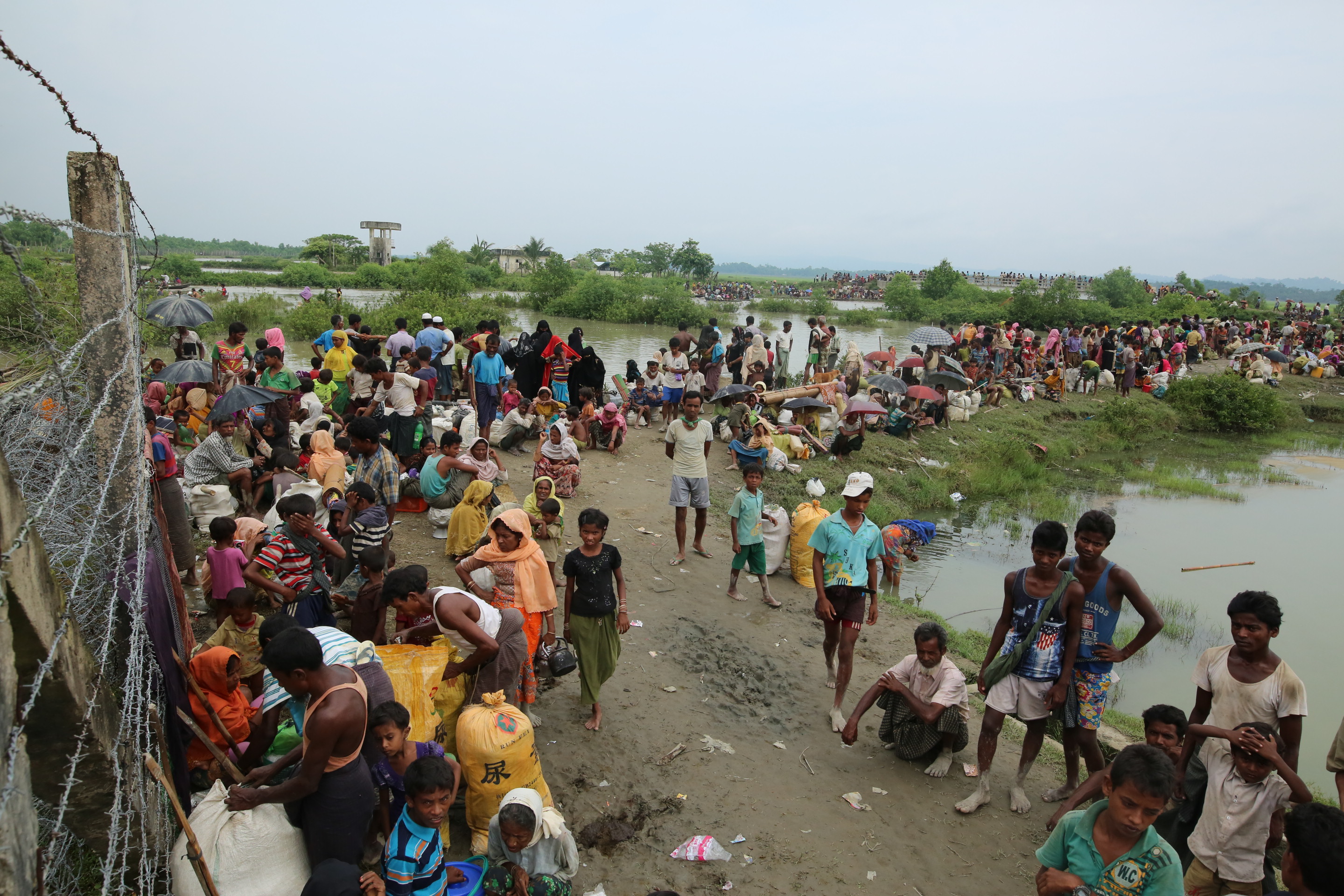
The massacre comes amid years of violence against the Rohingya in Myanmar’s western Rakhine State. Over the past decade, Myanmar’s military has been accused by UN investigators and rights groups of ethnic cleansing, genocidal acts and widespread atrocities that forced more than a million Rohingya to flee, mostly to neighbouring Bangladesh.
Human Rights Watch said the Hoyyar Siri massacre demonstrated that conditions in Rakhine State remained unsafe for Rohingya refugees, even in territories now controlled by the Arakan Army rather than Myanmar’s military junta.
The organisation called on both the Myanmar military and the Arakan Army to end attacks on civilians, release those unlawfully detained and cooperate fully with international investigations, including inquiries by the UN-backed Independent Investigative Mechanism for Myanmar.
“Myanmar’s military seemed indifferent to the plight of the Rohingya civilians at Hoyyar Siri in 2024, and since then the junta has done nothing to address their broader human rights concerns,” Ganguly said.
“Concerned governments should urgently press both the Myanmar junta and the Arakan Army to respect the rights of all communities in Rakhine State.”