Harun Nasrullah
Muslim women wearing the hijab are reporting a wave of harassment and abuse across Australia in the aftermath of the December 14 Bondi Beach attack, which left 15 people dead and was formally declared a terrorist incident. Authorities have charged 24-year-old Naveed Akram over the attack, which also saw his father shot dead by police.
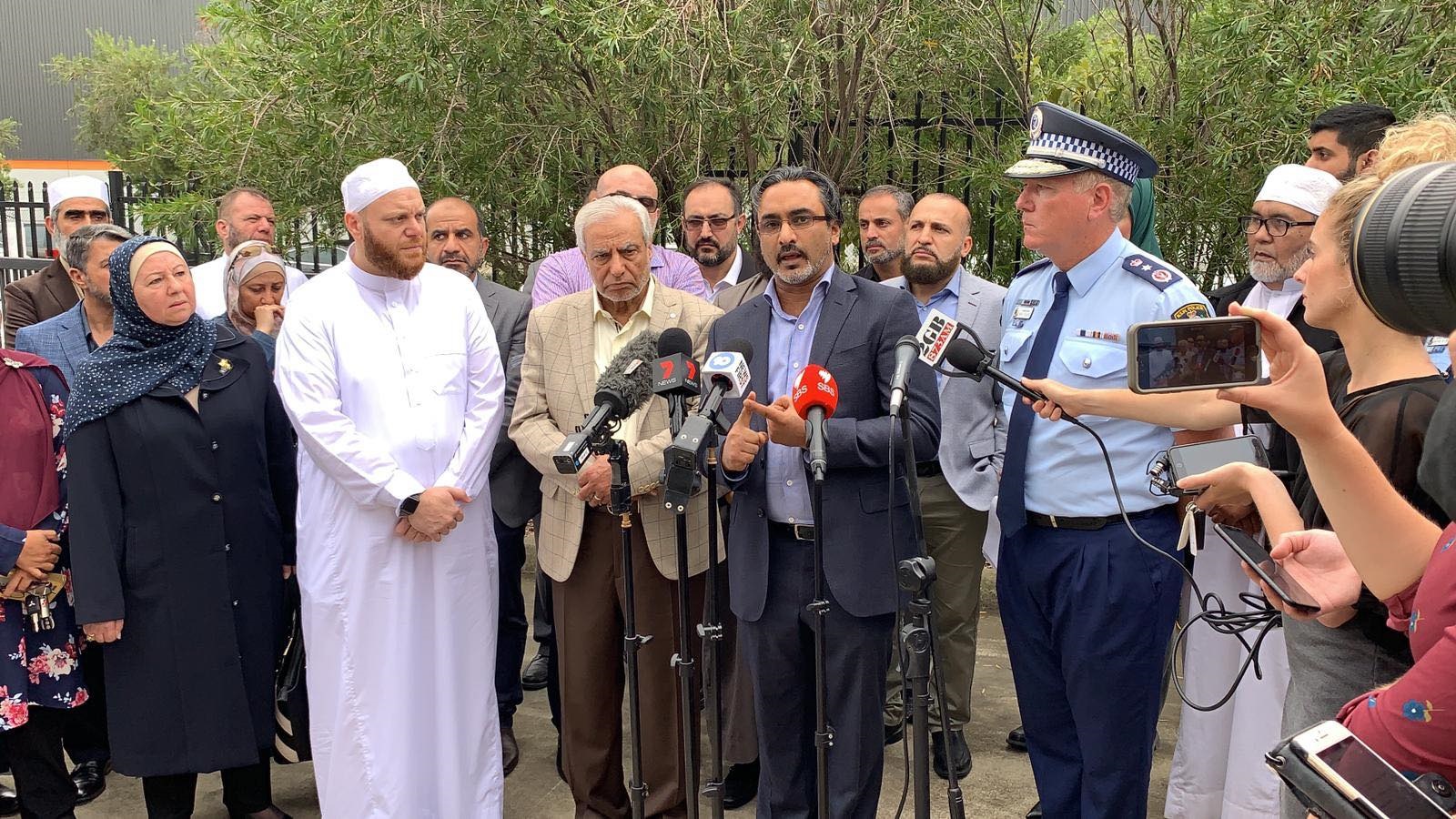
While politicians and religious leaders condemned the violence, the Australian National Imams Council (ANIC) says Muslim communities have since become targets of widespread hostility, extending far beyond Sydney.
Sharp rise in Islamophobic incidents
ANIC reports a near 200 per cent increase in anti-Muslim hostility since the attack. Its Action Against Islamophobia initiative, which runs a national helpline, has documented 62 formal incidents, including verbal abuse, physical harassment, online threats, and vandalism at mosques and Islamic centres.
Community leaders say women wearing the hijab have been particularly targeted. ANIC senior adviser Bilal Rauf described the scale of abuse as “deeply distressing” for communities across the country:
“In the few weeks’ period since the horrific murders at Bondi, we’re talking hundreds in terms of the level of increase [in hate incident reports]. We’ve had a number of incidents where young girls have been spat at and, in one instance, the hijabs ripped off, and many other abusive comments directed at women. People have reached out to express their utter devastation, distress, concern, fear, and many of these [incidents] have also been raised with the authorities, including police.
“It’s been very difficult for the community in having to deal with that and confront such hatred, sadly in part flowing from the divisive rhetoric of some politicians and statements made in some quarters of media.”
First-hand experiences of harassment
The impact has been immediate and deeply personal. In Leppington, south-west Sydney, a Muslim disability support worker had her hijab forcibly removed by a passing couple while assisting clients onto a bus. “It was terrifying and profoundly humiliating,” she said.
In Redfern, an inner-city Sydney suburb, lawyer Sibat Sheikh recounted being egged and verbally abused on her way to work. “My pants were dirtied and my shoes covered in raw eggs. I’m one of the very few women who wear hijab at my work, and now there is an elephant in every room we walk into,” she said.
In Perth, another woman reported being spat at in public while wearing a hijab. Several others said they had been followed, verbally abused, or told to “go back to where you came from” in supermarkets and on public transport. One mother said her 14-year-old daughter is now afraid to wear her hijab to school.
Mosques and Islamic centres targeted
Several mosques and Islamic centres across Australia have reported vandalism, threats or security incidents since the Bondi Beach attack. In Sydney’s south‑west, Lakemba Mosque (Imam Ali Bin Abi Talib Mosque) received online threats referencing past terror attacks that prompted urgent police investigations. A similar online threat was also directed at Padstow Mosque / United Muslims of Australia Centre.
In response to rising threats, community members began sleeping overnight at Minto Mosque in south‑west Sydney as a precautionary security measure. Australian Islamic House – Masjid Al‑Bayt Al‑Islami in Edmondson Park also reported an alarming online threat referring to the 2019 Christchurch mosque attacks.
Further afield, Masjid Taqwah in Bald Hills, Brisbane was vandalised with Islamophobic and antisemitic graffiti, drawing solidarity from other faith leaders and police attention. Another mosque in Brisbane was reportedly defaced with white supremacist graffiti, including swastikas and anti‑Muslim slurs, highlighting the breadth of incidents affecting Muslim worship sites nationally.
Political and community leadership reactions
Jihad Dib, a New South Wales Parliament member and senior Muslim political figure, said he was “disappointed but not surprised” by the rise in reported incidents, highlighting the particular vulnerability of women:
“I am talking about women, particularly who wear the hijab, who have been sworn at, who have been harassed. I think it’s a real cheap shot, it’s a real low thing to do. I would ask that if you see somebody act in a hateful way to another person or treat them in a bad way … no matter who they are, we’ve also got an obligation to be upstanders and not bystanders.”
NSW Premier Chris Minns called the surge in aggression “horrifying” and “disgusting,” warning that such behaviour would not be tolerated:
“Racism will not be tolerated. It’s not vigilantism, it’s not retribution, it’s hateful racism in our community.”
Community response and broader impact
ANIC warns that divisive rhetoric in media and political discourse has worsened the situation, inflaming anti-Muslim sentiment. Local leaders emphasise the toll on mental health, social confidence, and the ability of Muslim communities to feel safe in public spaces.
For many Muslim women who wear the hijab, fear has become a constant companion. Students no longer feel safe walking to class alone, mothers worry about their children wearing visible religious clothing, and daily routines are being altered to avoid harassment. “People are afraid to go about their normal lives,” a community organiser said. “Even small things, like going to the shops or taking your child to school, now feel risky.”
Advocates are calling for practical responses, including stronger protection for places of worship, accessible reporting systems for harassment, and national education campaigns to challenge prejudice and promote understanding.